


A BIT OF HISTORY
The search for something that combined the weight and portability advantages of the packraft probably goes back several decades. Modern adventurers spent years trying to find solutions like this for venturing into the wilderness, but the turning point seems to have come during World War II, when lightweight, packable inflatable rafts were manufactured. So the packraft, like so many other inventions in human history, has its roots in war.
In 1982, American Dick Griffith brought his boat to the “Alaska Mountain Wilderness Classic Race” and stunned his competitors and the outdoor community. Midway through the race, the leaders came across an icy, raging river whose flow made it impassable. Reluctantly, the impatient athletes were forced to wait until the next morning to cross, when the water level wouldn't be so high.
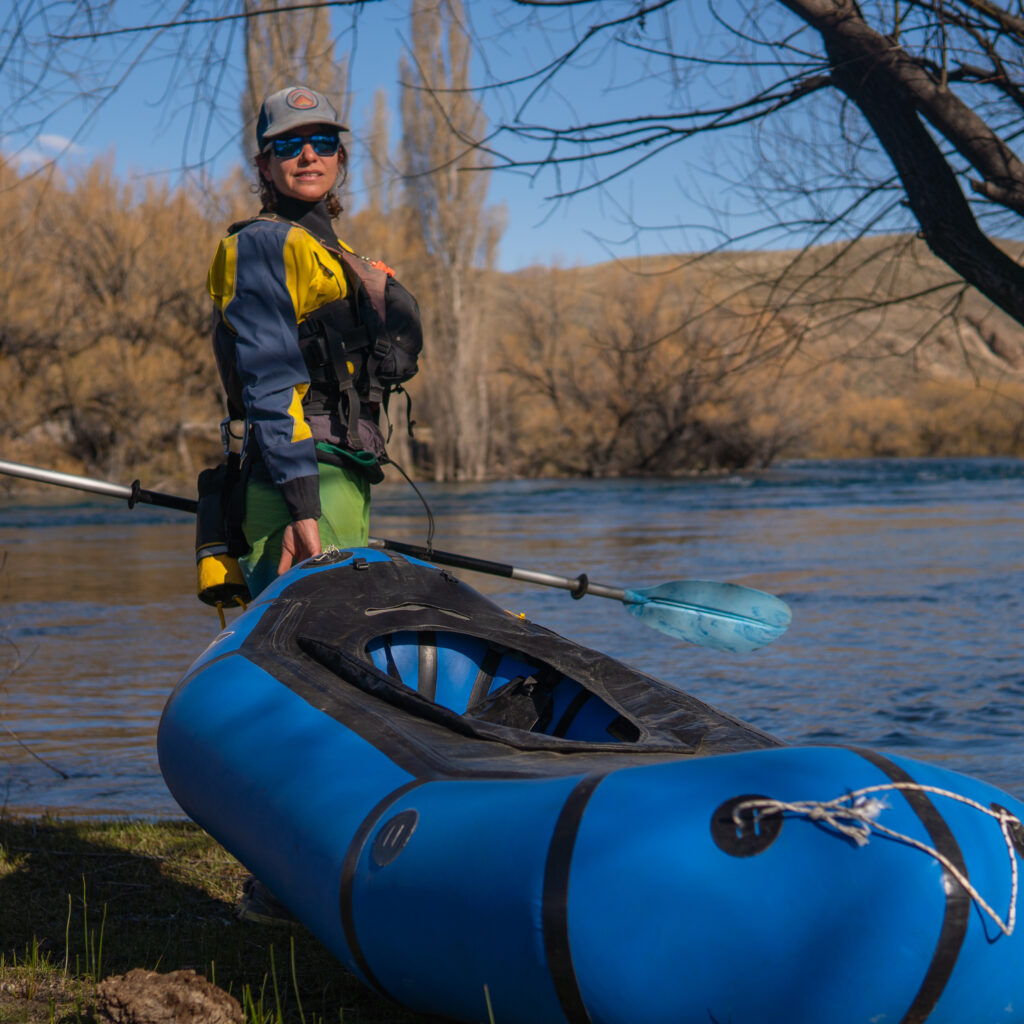
That's when Griffith, by then well along in years, showed up with his raft, inflated it, and crossed the river while everyone else watched in amazement. It was a lesson for the younger racers, and the start of a new era. Before long, the concept of using inflatable rafts to cross rivers, lakes and other bodies of water took hold in Alaska, and the Sherpa Rafs and other prototypes emerged.
In 1996, the already experienced explorer Roman Dial, author of the book “Packrafting: An Intro & How To Guide” and a witness to the moment Griffith pulled out his inflatable raft, completed a seven-week, thousand-plus-kilometer traverse in Alaska with rafts and bicycles, a variation known today as bikerafting, which pushed the limits once again. This adventure inspired Thor Tingey to create his own packraft routes and eventually found Alpacka Raft, which began production and sales around 2002.
PACKRAFTING IN BARILOCHE
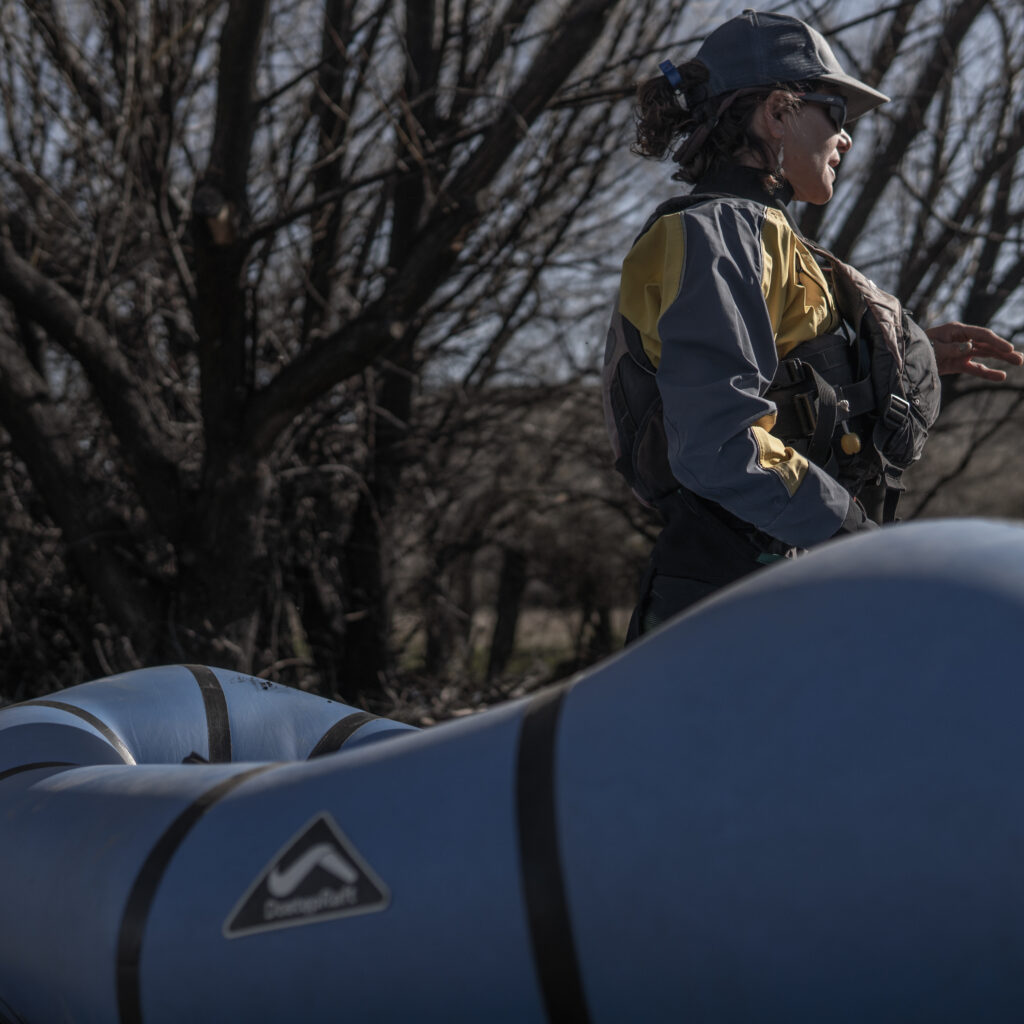
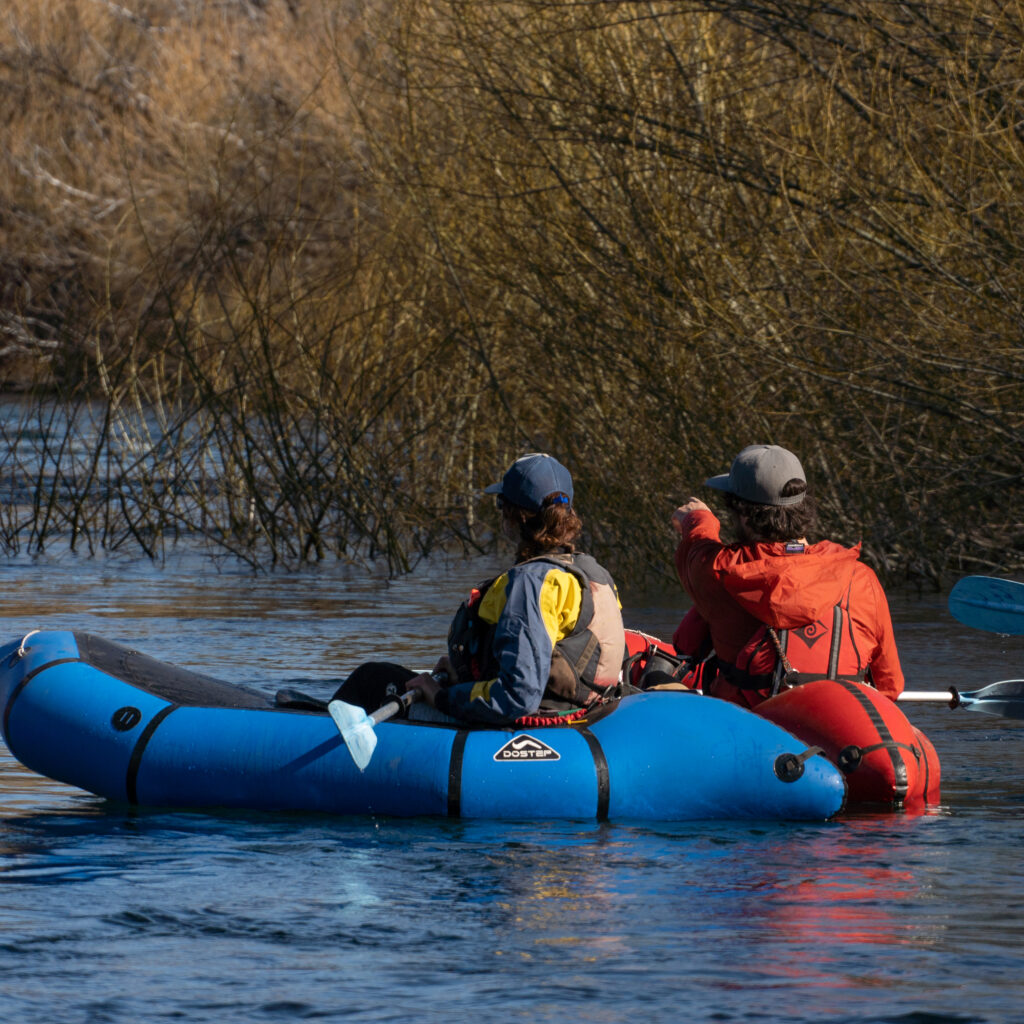
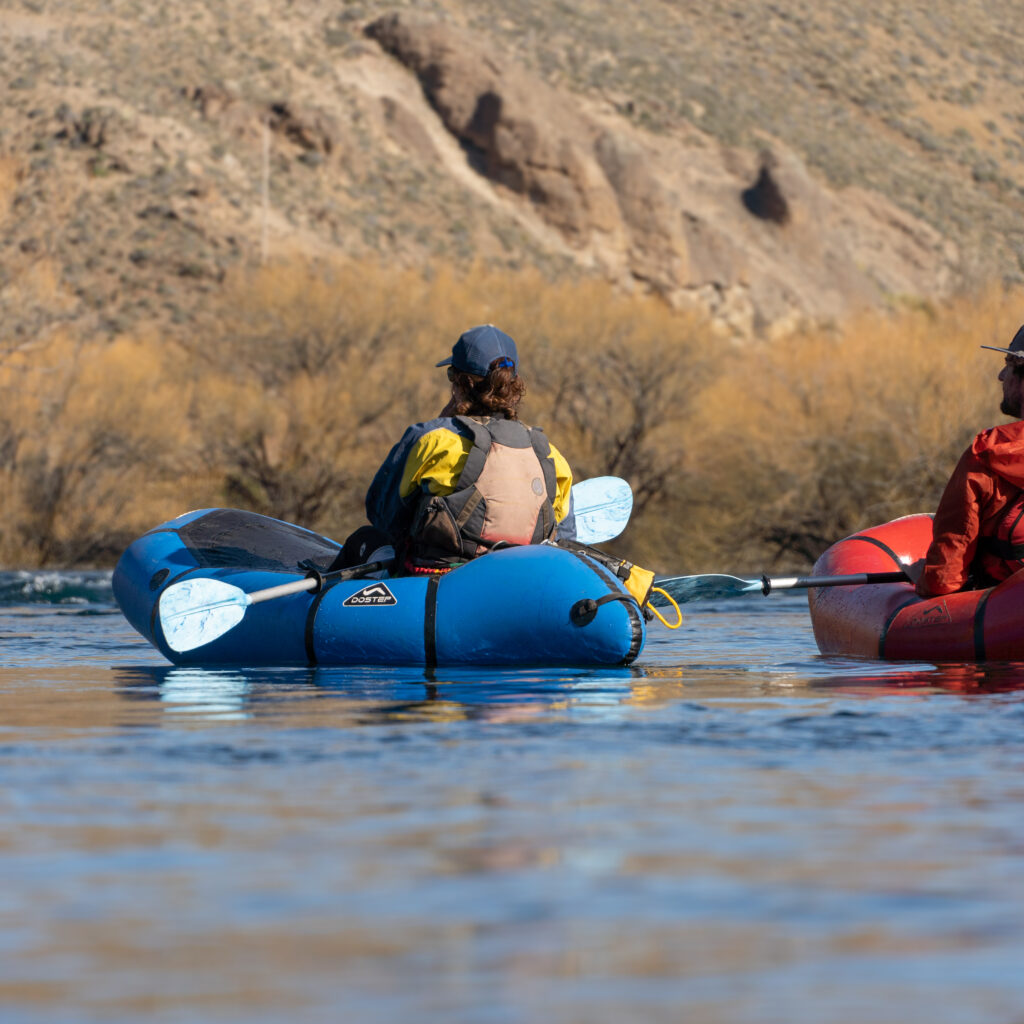
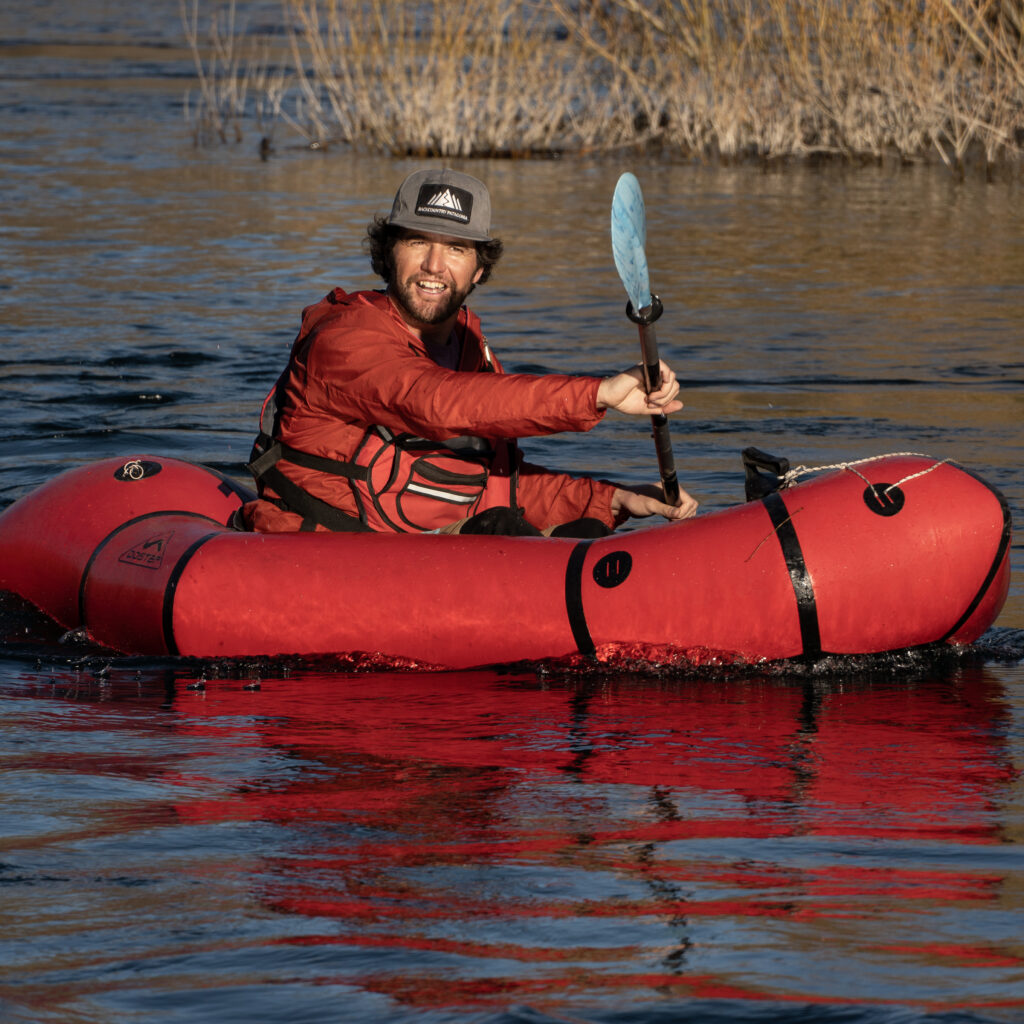
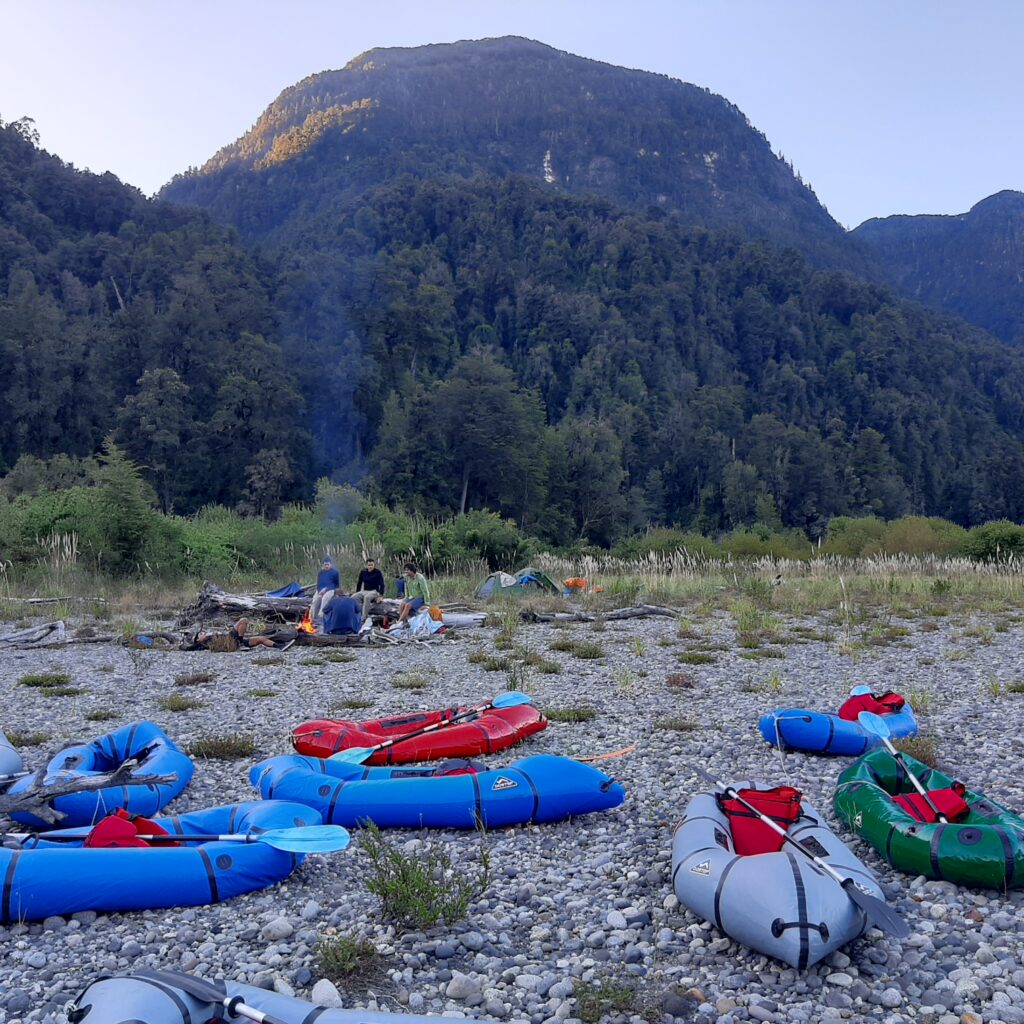
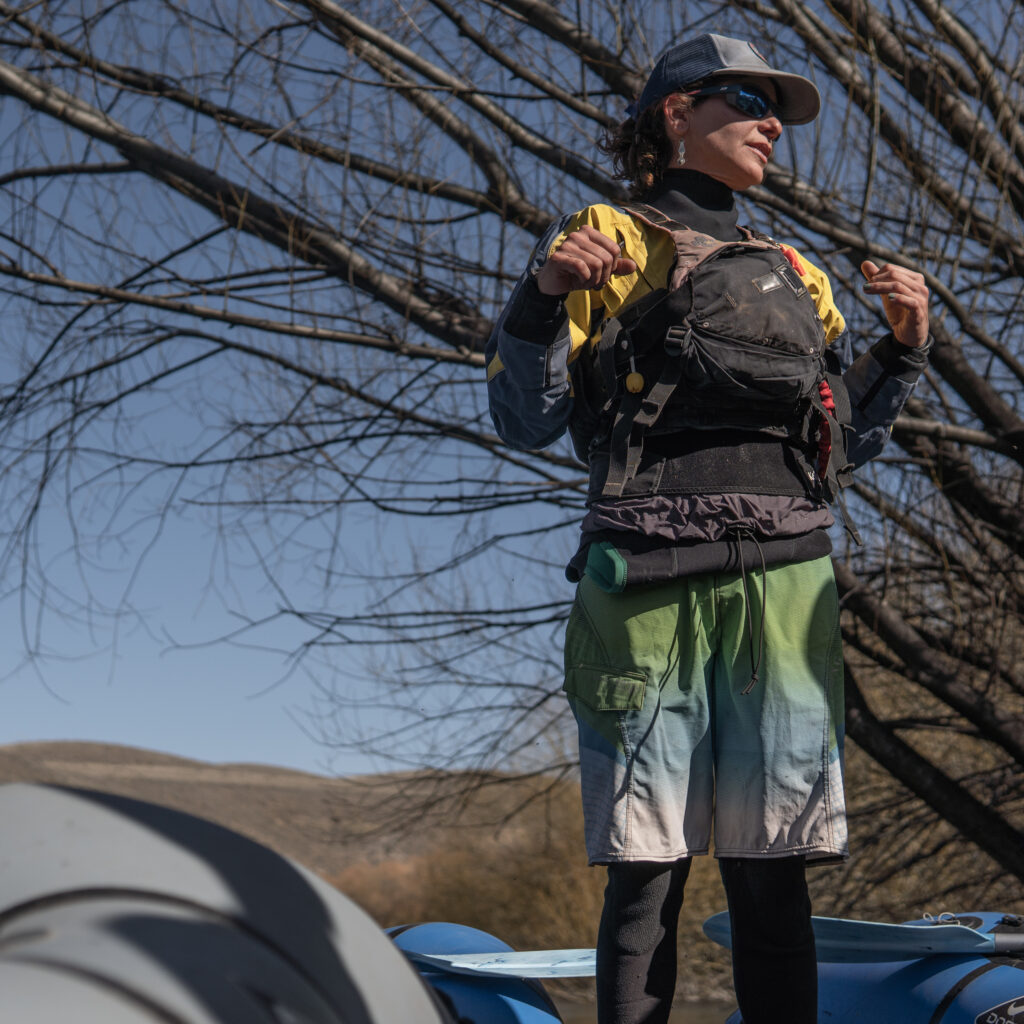
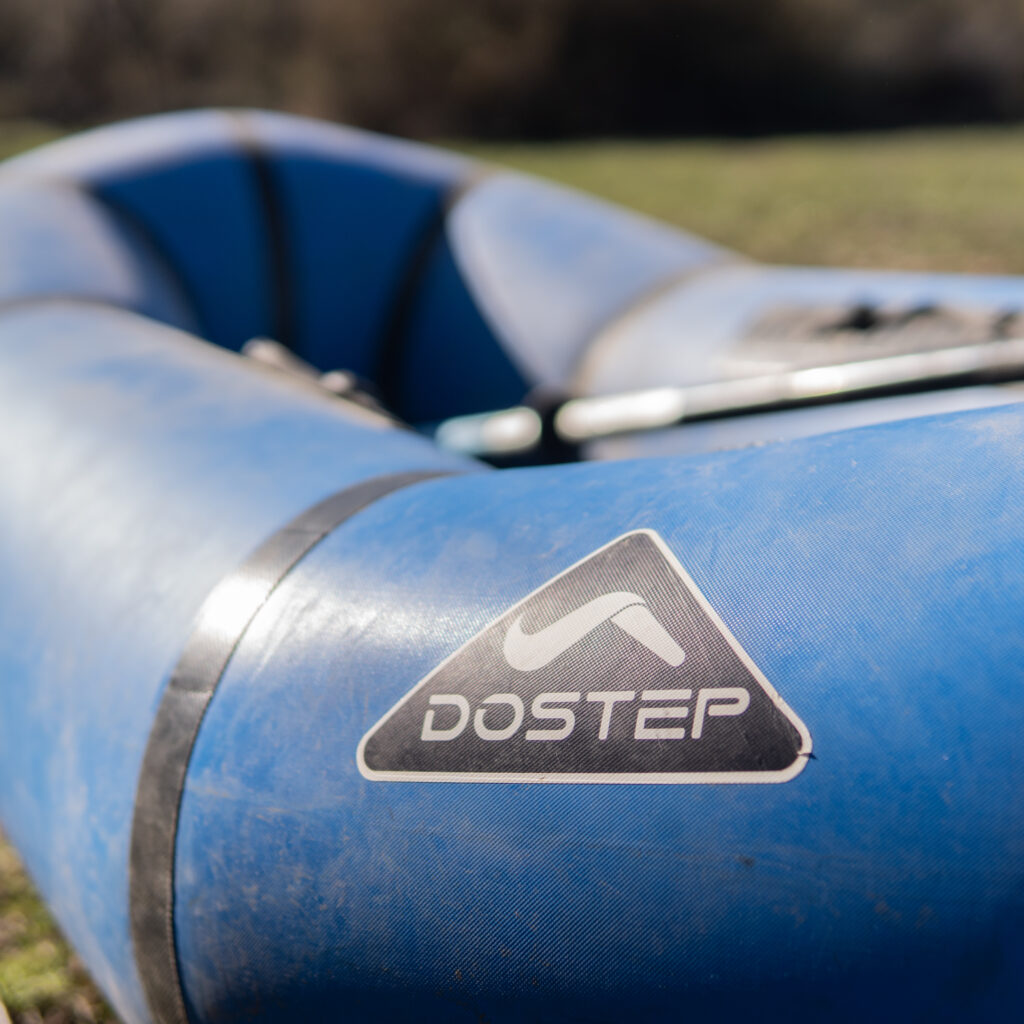
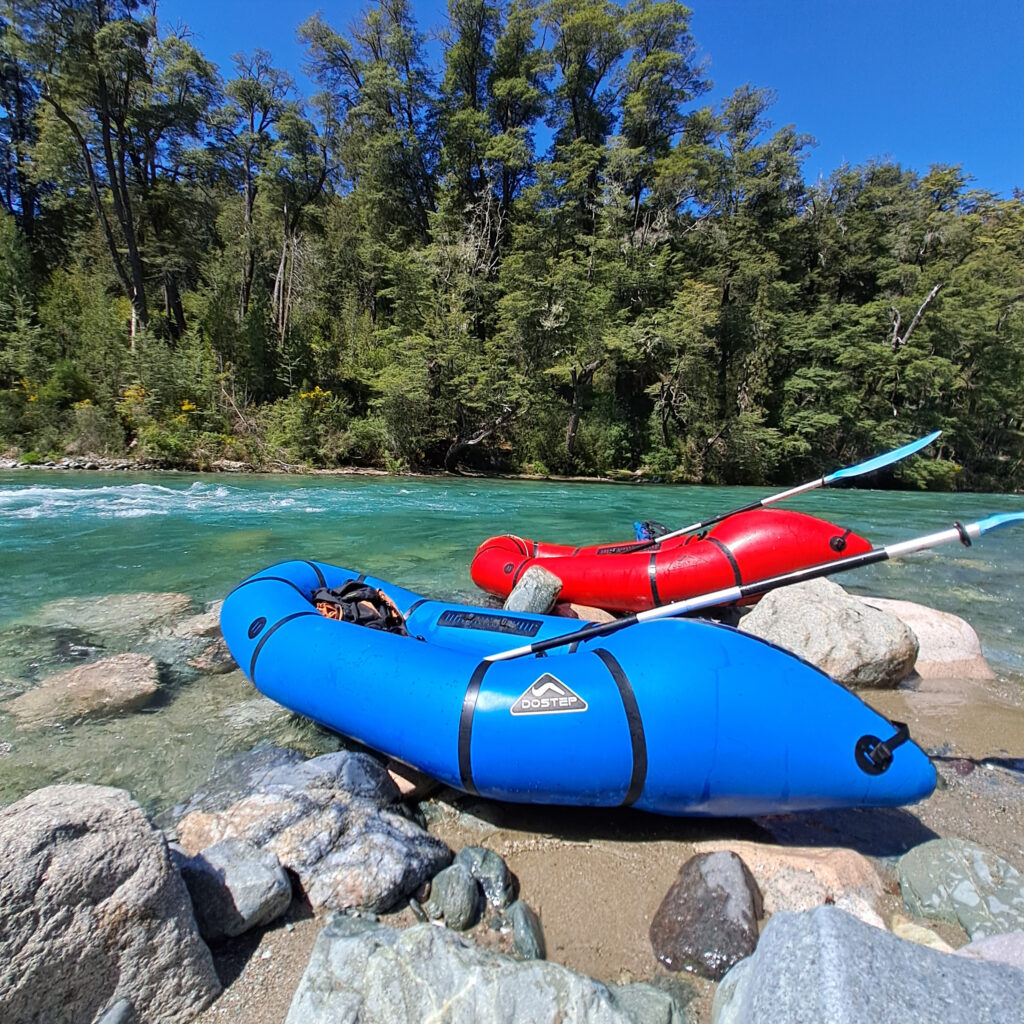
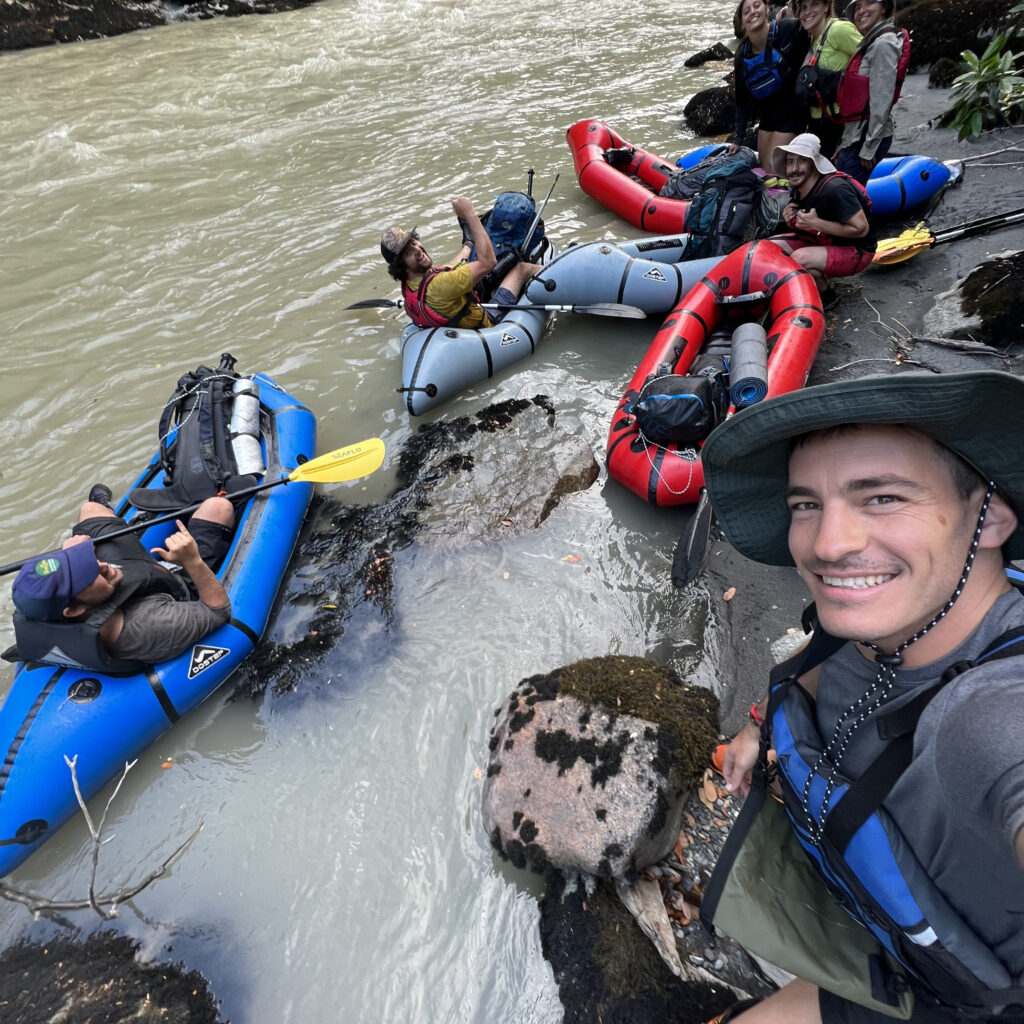
In Argentina we have the brand DOSTEP, based in Bariloche, and its boats have nothing to envy from any of the international brands. As always, we back national brands, and this time we're counting on DOSTEP for our packrafting activities in Patagonia. Today you can find packrafts suited to all kinds of activities, from fishing and hunting to whitewater descents.
In the United States, Europe, Japan, Australia and New Zealand, packrafting keeps gaining followers. On average, packrafts weigh around 3kg, and when packed they take up about the same space as a three-person tent.
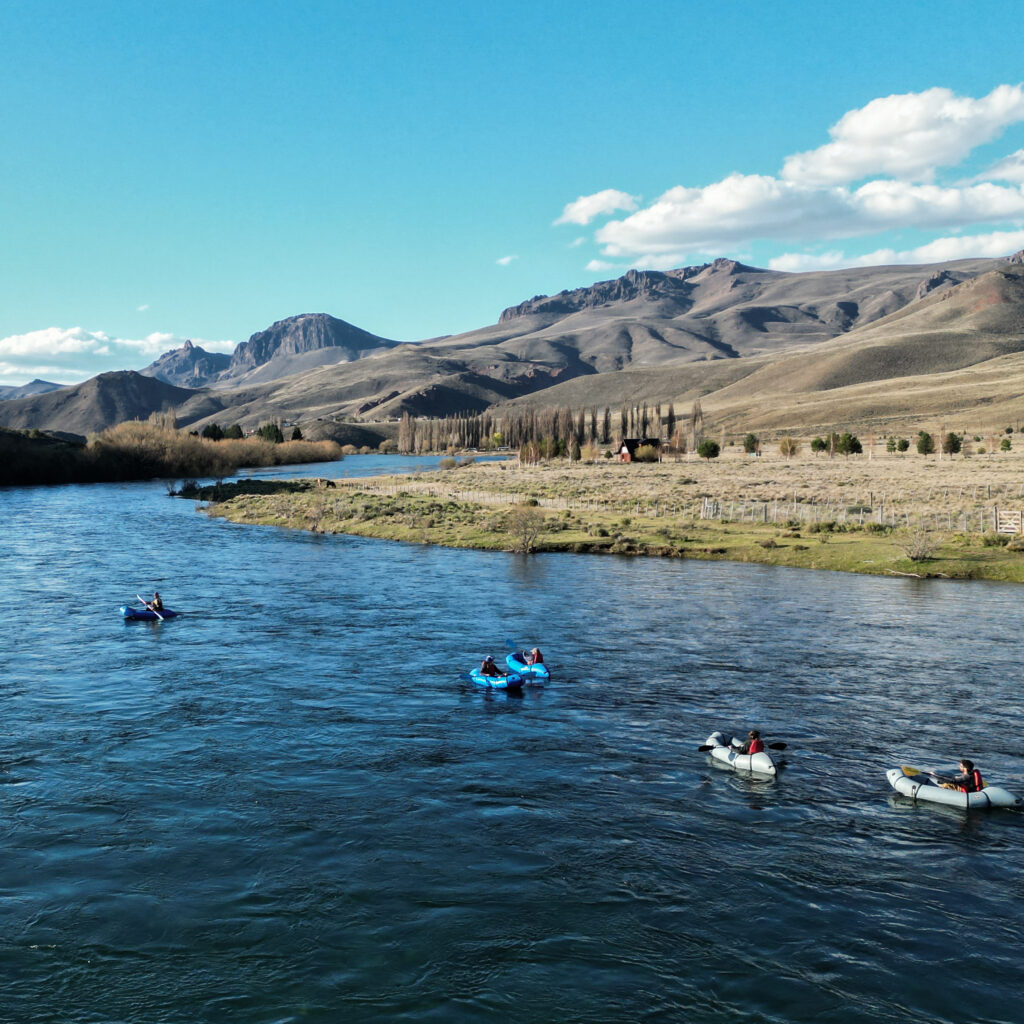
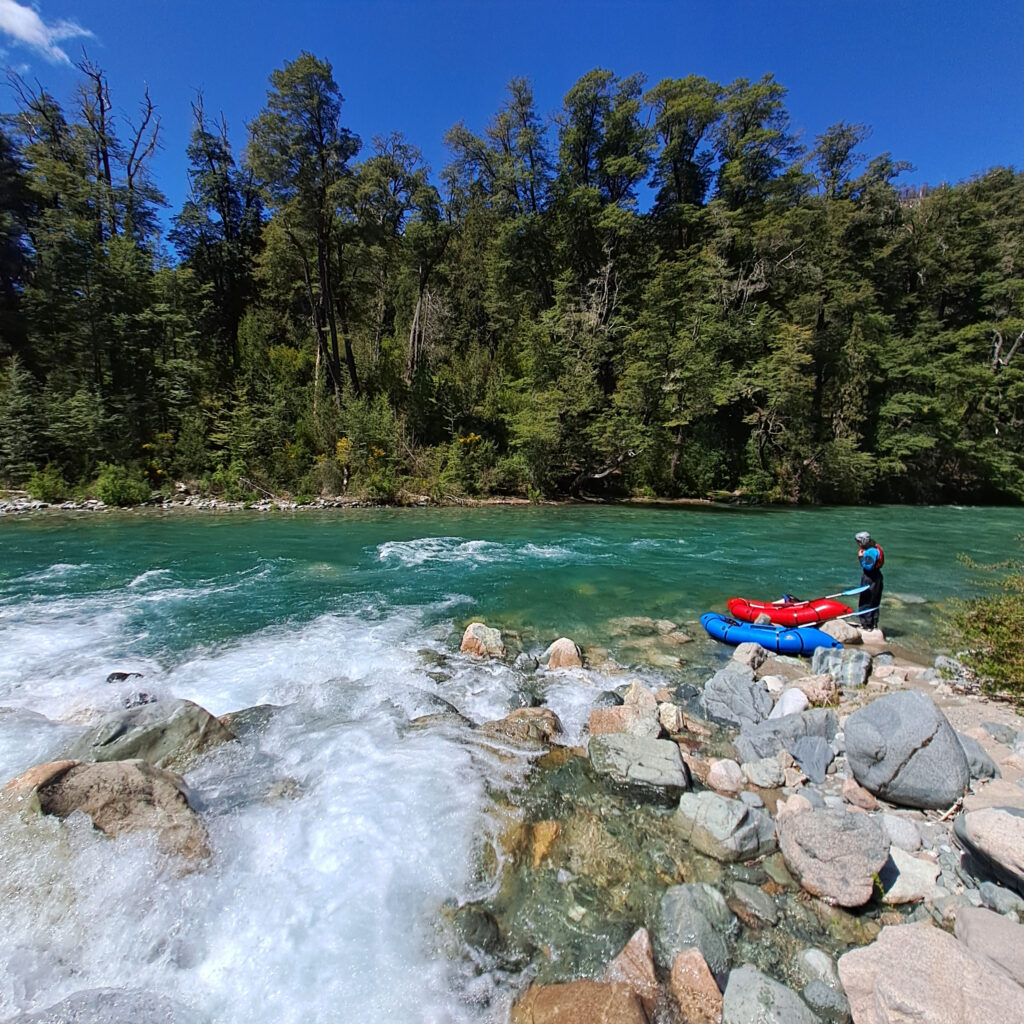
It's an essential tool for venturing into remote, hard-to-reach places, opening up exploration opportunities that were once unthinkable or nearly impractical in today's world. That's where the packraft reaches its full potential: crossing wild country, far from the beaten path, where rivers run free and the way is made by walking it.
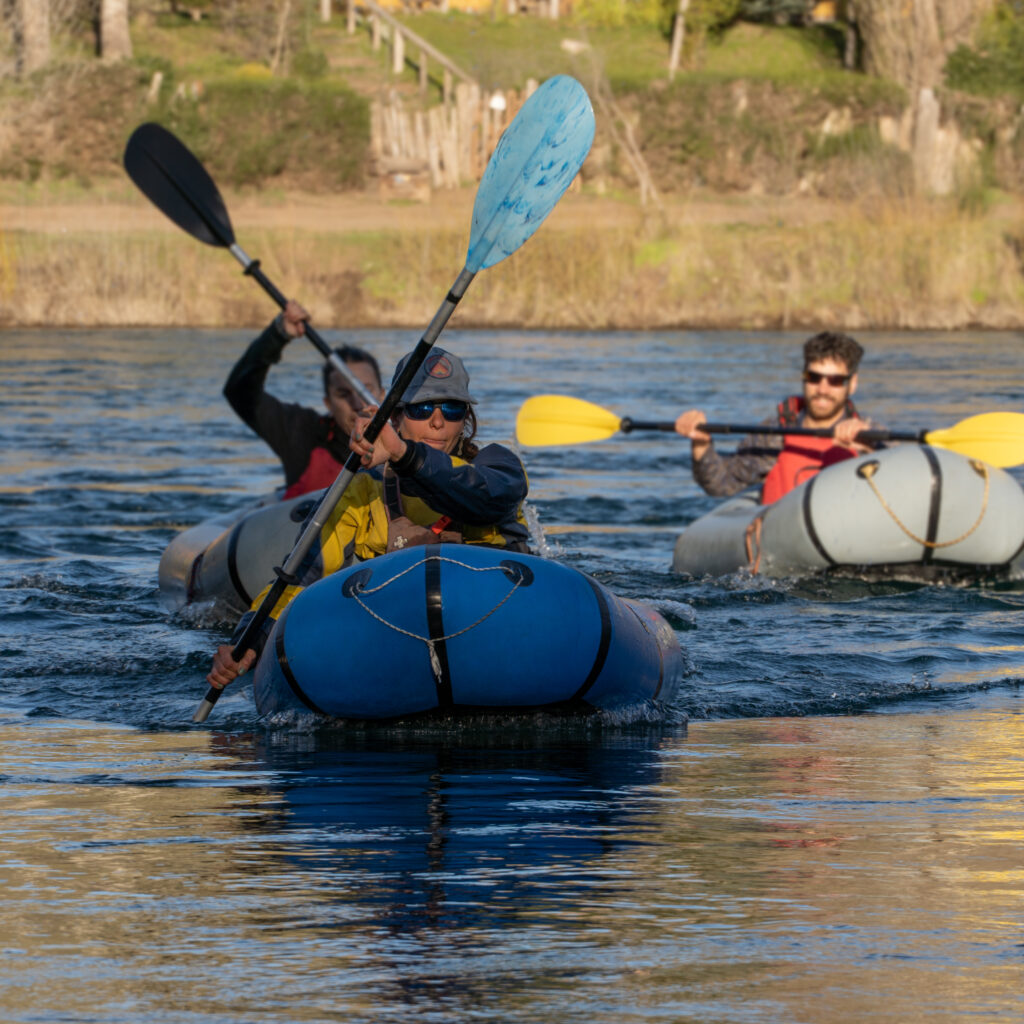
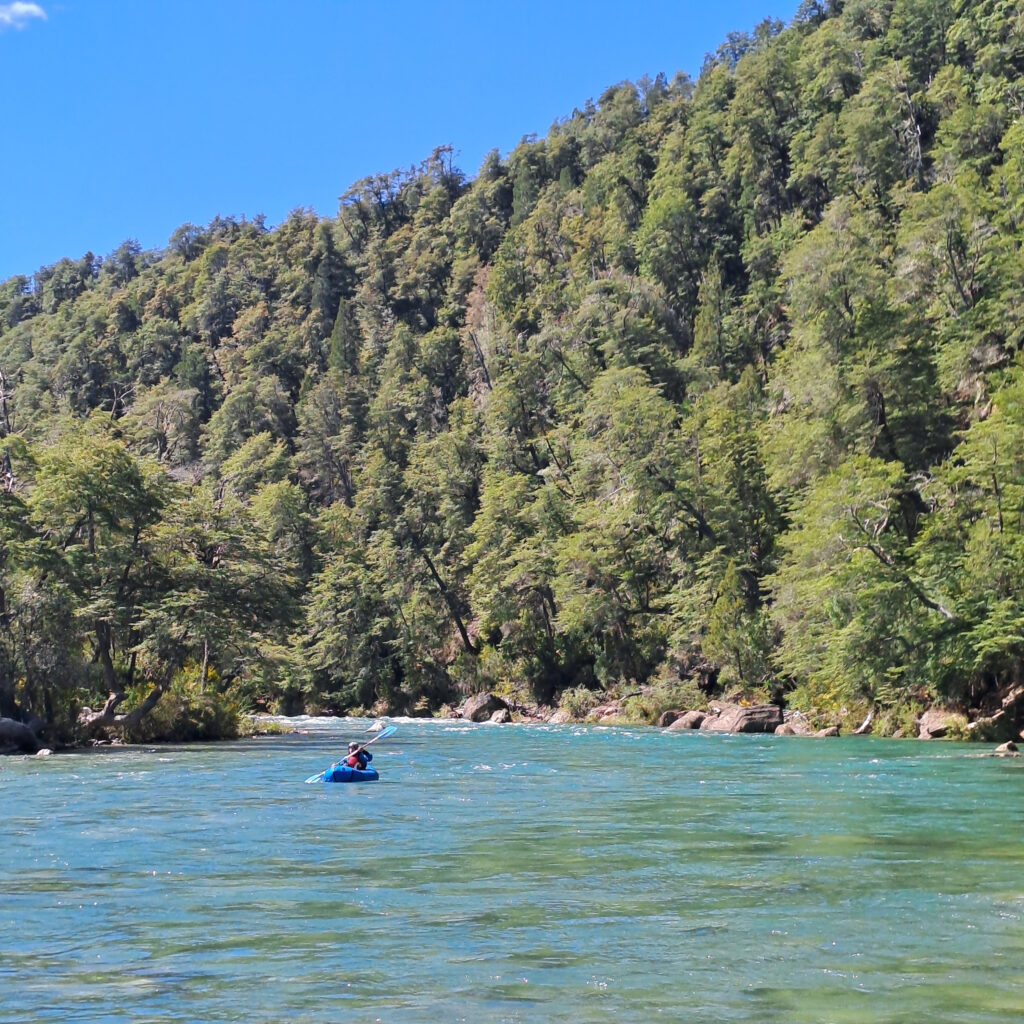
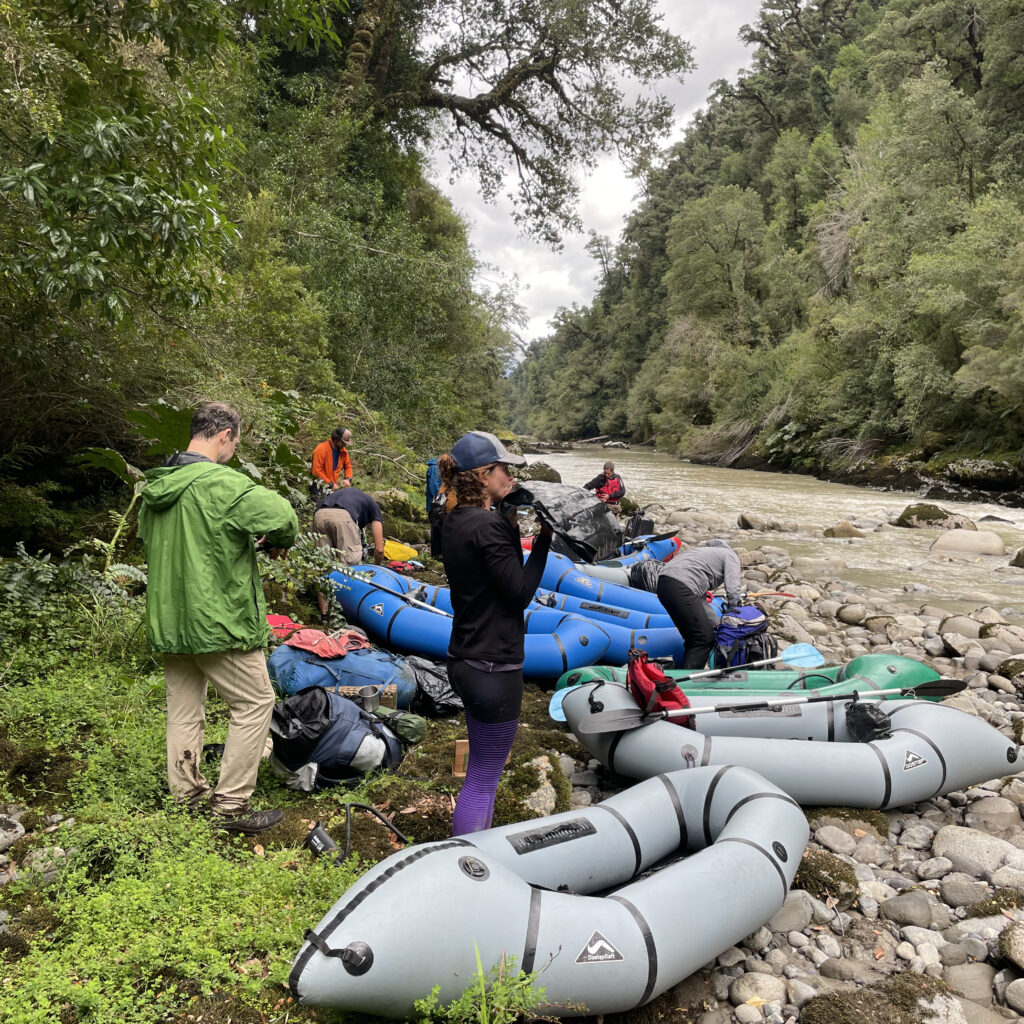
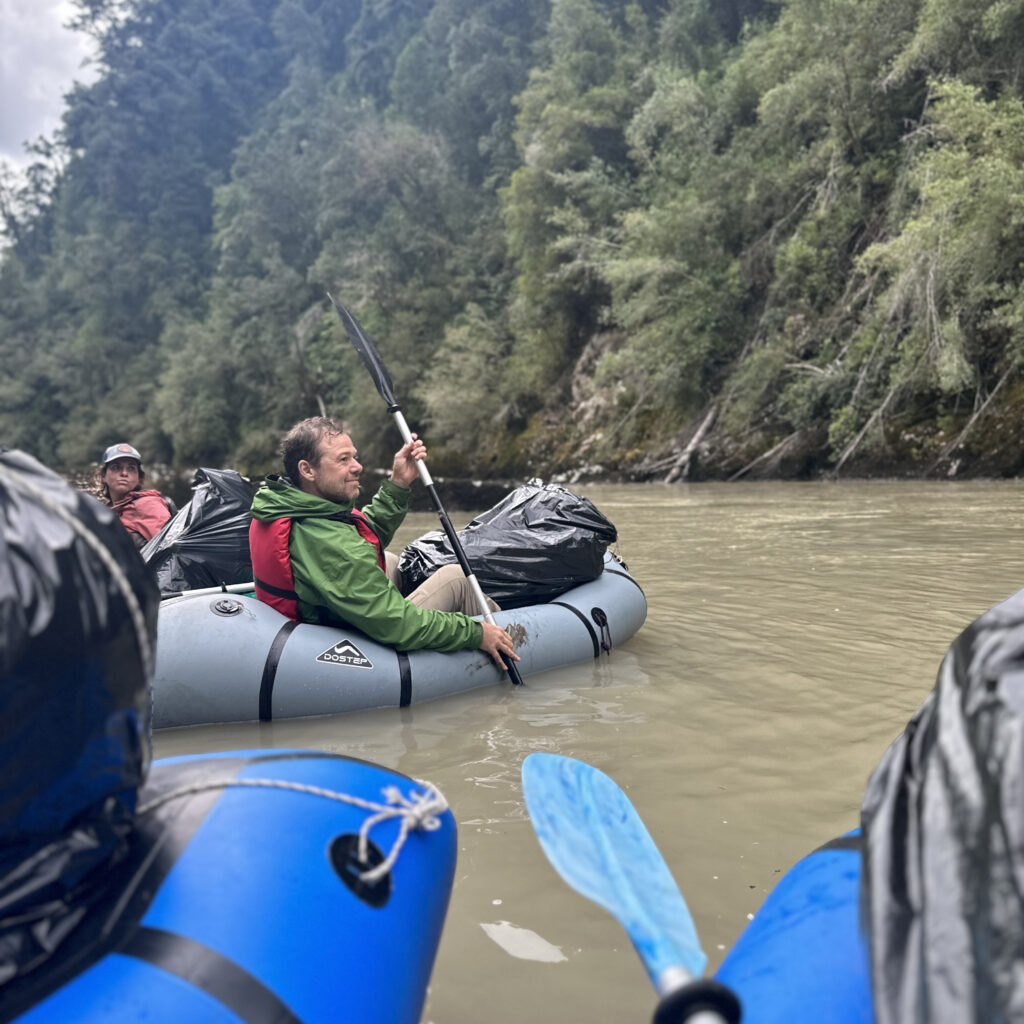
For us, including this activity at Backcountry Cooperative is a perfect fit, since exploring is one of our driving motivations. We know it's a path that is just beginning in Argentina, and we're ready to lead the way with the highest safety standards, so we can focus on enjoying the descents, paddling and traveling the rivers of Patagonia from north to south and east to west.
Some of our activities:
Tronador 360 | 7 days trekking and packrafting (Beginner level)
Rio Azul | Bolson | 2 days Packrafting in the Comarca (Intermediate level)
Coming soon:
Rio Limay | 1 day recreational packrafting experience (Beginner level)
Rio Turbio | Chubut | 7 days trekking and packrafting (Intermediate level)
Rio Futaleufu | Chile | 5 days | Packrafting Clinic (Class III rivers) (Advanced level)
Want to live these experiences with us? Contact us for more information.