

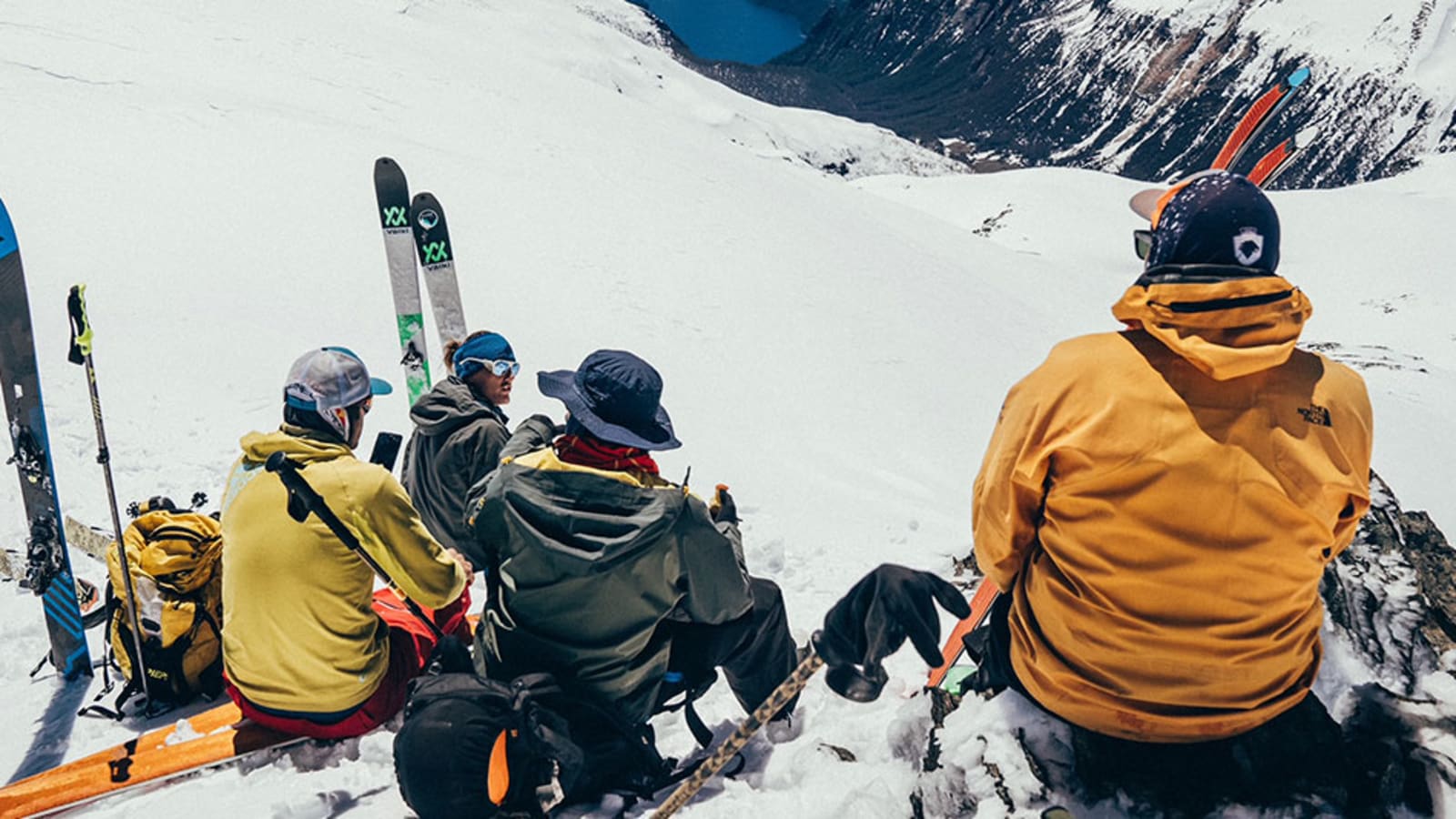
We're sharing this very interesting article written by Gonza Lopatin for chilenieve.com
A brief comparison between last season in the Northern Hemisphere and our current season, and how a lot of snow falling in a short time can be dangerous
During 2020/21 in the United States, a record 37 people died in avalanches, 25 of them between January 30 and February 27. What happened during those three weeks, and why does it look so much like the current winter season in South America?
To understand it, we need a quick recap. In late October and early November, the first snowfalls set the base layer. Expectations were very high at the time, but things didn't quite turn out that way. Almost no more snow fell until January 30, when more than 50 centimeters fell in less than 24 hours in several states across the country. This new layer didn't bond to the October/November layer, and the storms that followed piled more snow on top of the fragile snowpack, creating a constant risk of very deep avalanches.
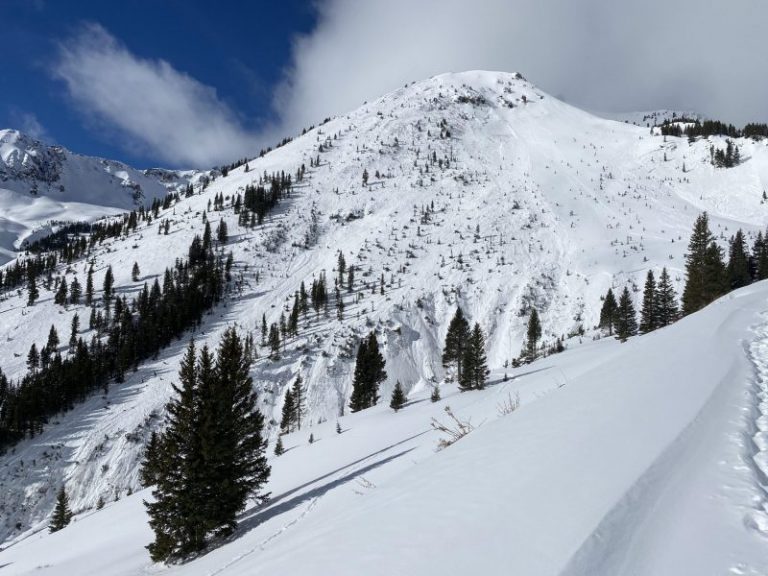
In South America this year, a very similar pattern is unfolding: little snow early on, followed by heavy snowfall in recent days. There were snowfalls in June that built what seemed like a good base at the time, but high temperatures and a complete lack of precipitation over the following two months made the snow disappear entirely on the lower and mid-elevation slopes, leaving only a few patches up high.
The heavy storms of the last few hours came with lots of wind and wet snow. In some parts of the Andes, between 50 centimeters and two meters were recorded in less than 24 hours. Combined with the conditions described above, this makes for a doubly dangerous picture.
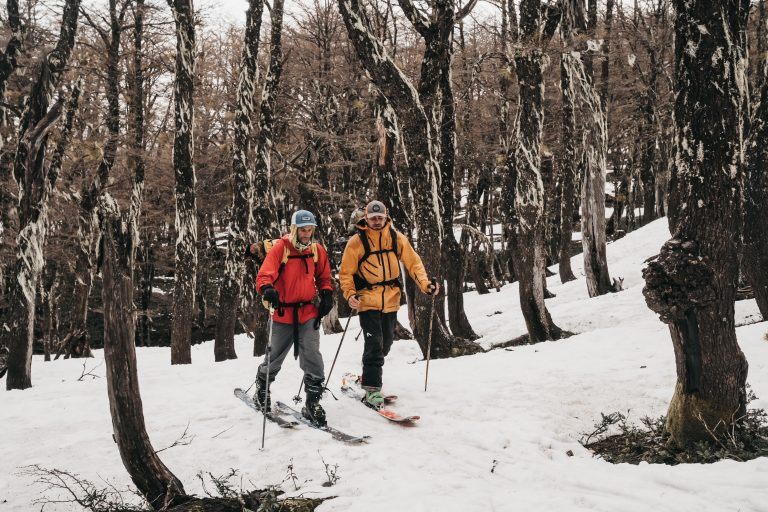
On the lower and middle slopes, there's a risk of hitting or getting tangled in terrain traps, since many obstacles like logs, rocks, and branches have been only lightly covered. They're still there, barely hidden.
Higher up the mountain, this new snow is piling up, helped by the wind, on a very unstable base, so the chances of an avalanche during the storm and the days immediately after are very high.
In short: a lot of snow in a few hours = think it over carefully. Eagerness is rarely a friend of good decisions.
The Freeride and Backcountry Boom
To be clear, from February 1 to 7, 14 people died in the United States. Just one week: 7 days and 14 deaths. That set a fatality record, surpassing the previous one set in 1910.
Of course, there's far more information about snow, weather, and avalanches today than in 1910, but this record also exceeds the numbers from the last 20 years of modern skiing.
One factor can't be ignored when trying to explain such a high number of accidents: the popularity that "backcountry" skiing, or off-piste skiing, has gained in recent years.
There's an industry building a trend around the word "backcountry." Brands offer thousands of great products, but unfortunately gear alone won't save my life or my partners' lives, not even the latest pack with the best airbag and Avalung system. It doesn't matter how much money you spend on equipment if you don't know how to use it quickly and efficiently.
What Can I Do to Prevent an Accident?
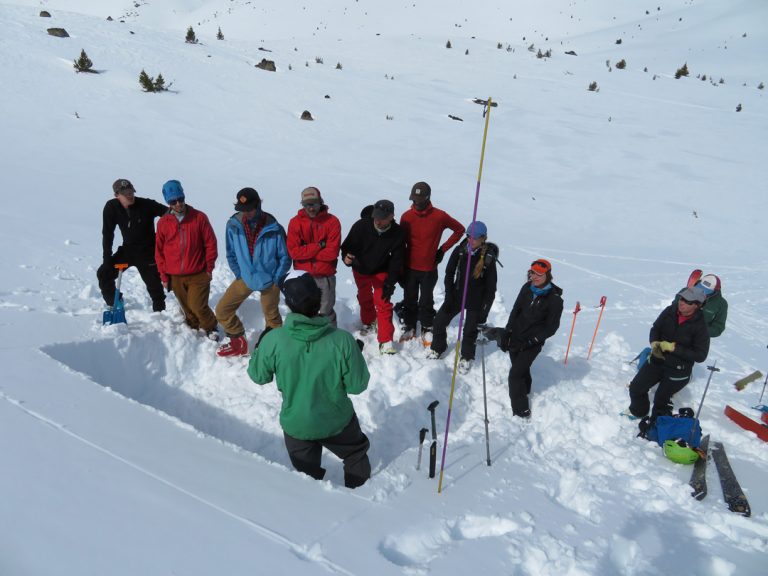
- Track the layers that build up over the season and assess the risk. If you don't yet know how to analyze the snowpack, you can always turn to professionals and websites that do this work. Remember that this analysis shouldn't be done minutes before a descent and used as the tipping point for your decision. By the time you reach the top of your line, you should already have all that information gathered and know what to expect.
- Observe: Was there wind during the storm? What direction? Is the snow wet or dry? Heavy or light? How many centimeters fell and over how long? Were there sharp temperature swings, or did it stay cold the whole time? These are just a few guiding questions for gathering information after a snowfall, but there are many more.
- Read avalanche reports or bulletins and get informed online. Today there are many sites dedicated to analyzing the snow and providing an estimated risk for skiing certain areas. They also make recommendations on what to ski and how to ski it on a given day. Fortunately, in South America there are more and more people dedicated to providing information professionally. Finding it hard to read a report? You can follow many people and organizations on Instagram who share information very professionally. I've included some examples below.
- Don't put on your skis without information about the snow and the terrain you're going to ski.
- Don't trust your life to a friend who is leading you and tells you everything will be fine. Make sure you know and understand the subject yourself.
- If something doesn't feel right, if you have doubts, if any of the risk indicators are present and you're not completely sold on skiing that line that day, simply turn around and go back the way you came. The mountains will always be there, and you'll have life and health to come back another day.
- If your friends don't have the necessary gear and don't know how to use it, don't let them go with you. It's that simple and that painful. But really, you're looking out for them and for yourself. Encourage them to get training in using the gear and reading the terrain and snow, so you can choose to go somewhere safe.
- During or after a snowfall, staying within the controlled limits of the ski area is the wisest and most responsible decision. Give the snowpack 48 to 72 hours before reassessing the situation and deciding whether it's worth going out of bounds.
What If I Decide to Go Backcountry Even Though I Know There's a Chance of Avalanche?
A huge amount of snow has just fallen after two months, and the eagerness is real. Here are some recommendations if you decide to go off-piste anyway. (Let's be realistic: we've all taken that risk at some point.)
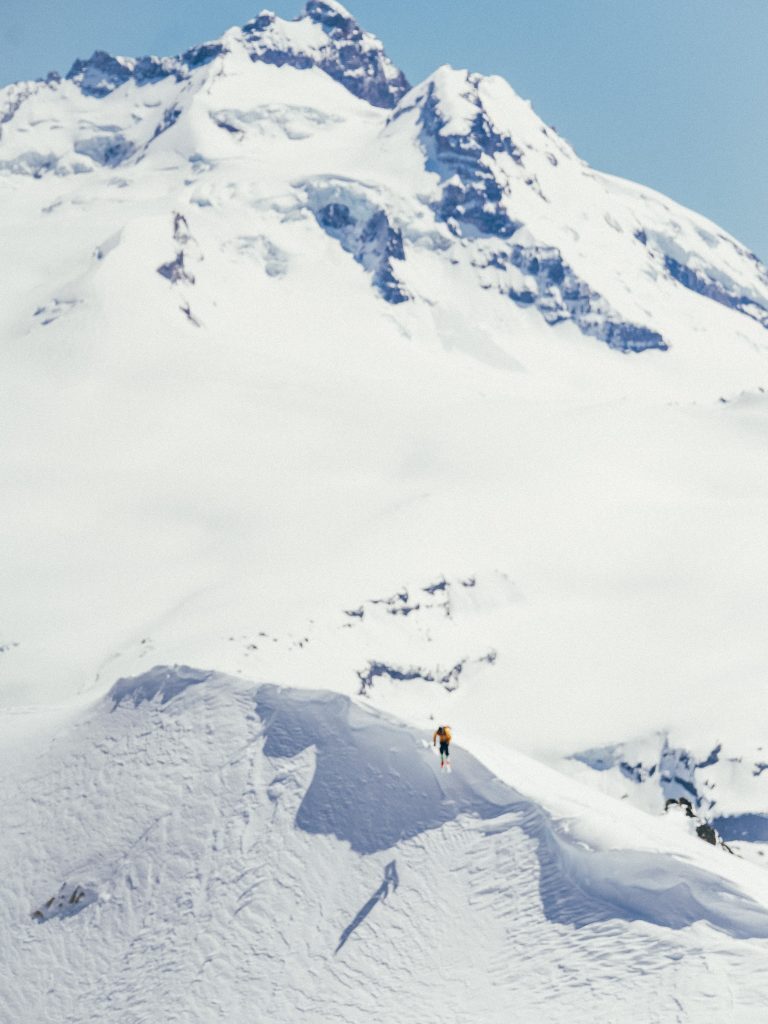
- Ski slopes under 30 degrees of incline (there are very useful tools, even stickers that attach to your poles, to measure slope angle). For more information on reliable tools for measuring angle, read this article from Backcountry Magazine
- Have prior knowledge of the snowpack in the area you're going to ski
- Know the terrain and its possible traps
- Make a plan for your tour (even if it's a super simple off-piste run next to the ski resort) and identify possible escape routes in case of an avalanche. Always look for high points where I can stand to let an avalanche pass without it taking me.
- Know how to use my rescue gear quickly and efficiently, which is the bare minimum for any outing (beacon, shovel, probe, radios)
Do I Have the Skills and Tools to Help My Partner?
It's not all about prevention and understanding snow and avalanches. Accidents often happen even when we're careful and have taken every precaution.
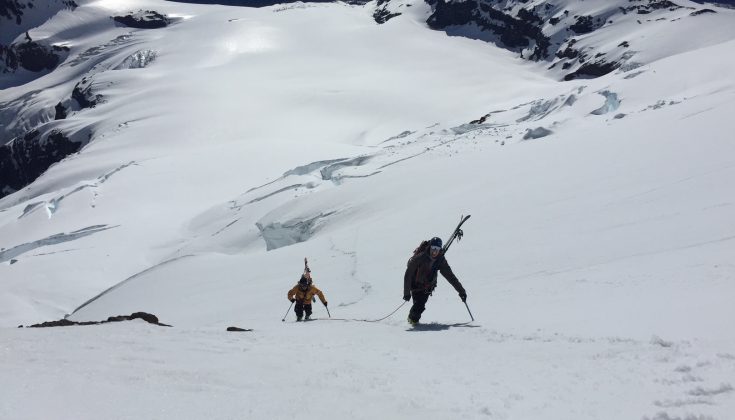
Imagine we're out of bounds behind a ski resort, or on a mountain far from civilization, and we decide to start our descent. A friend triggers an avalanche and is dragged several meters, but ends up on top of the surface with a broken leg. Do I have a radio or satellite phone, and do I know the frequency or phone number to call for help? How long will a rescue team take to reach where I am? Do I know how to immobilize a limb? And if it's an open fracture with bleeding, how do I act? Do I know how to build a litter with our packs and poles, or do I have a rope to build one? Do I have extra layers so my partner and I don't become hypothermic? Do I have food and water to get through at least the night? Do I have an emergency kit? Do I have a headlamp? Do I have a lighter or portable stove to start a fire?
Again, these are just a few questions I can ask myself before heading into the mountains, even if it's the typical short, simple off-piste run next to the ski resort that everyone goes to. Am I prepared?
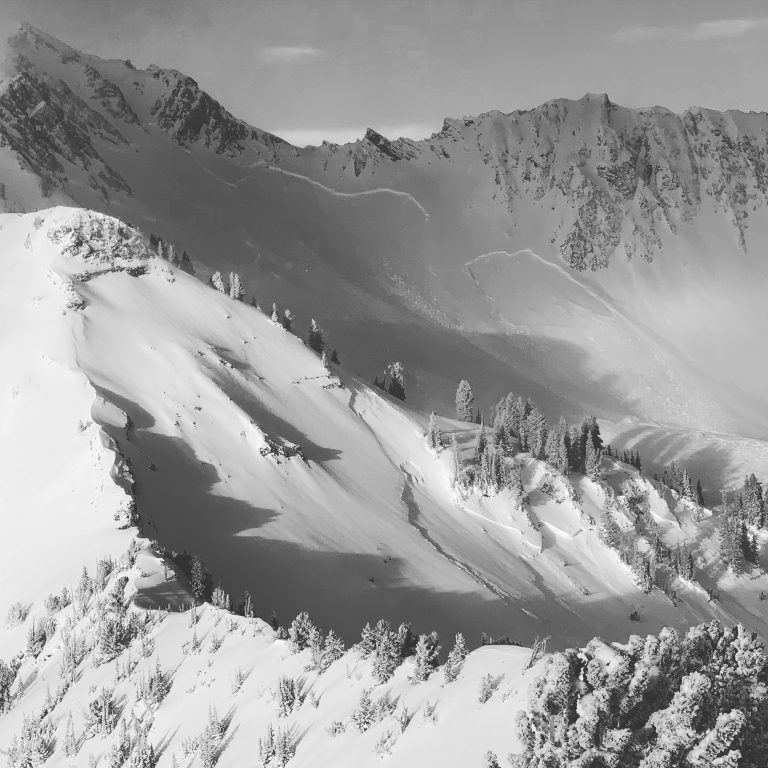
The best thing I can do is take an avalanche course and complement it with a wilderness first aid course like WFR or similar. If for reasons of time, money, or whatever else you can't, there are many tools and websites today where you can educate and inform yourself, and even take beginner courses for free
Although it's in English, the people at @backcountrypatagonia are working on translating this site into Spanish in its entirety.
Here's a list of more websites and Instagram accounts that share information in a professional and reliable way (the internet is a great tool, but it does NOT replace field education from a professional in the industry)
Must-watch videos:
- KBYG made this video with professional riders. In 15 minutes, it packs in a lot of information.
- BCA made a video series that concisely explains, step by step, how to respond to an avalanche: 1- How to use a beacon, 2- How to use a probe to find your buried partner, 3- How to use a shovel to dig your partner out to the surface, 4- What to do once I get my partner to the surface, 5- Organizing a rescue, 6- How to carry out the evacuation, 7- How to conduct a multiple-burial search when there's more than one victim
Source: https://www.chilenieve.com/