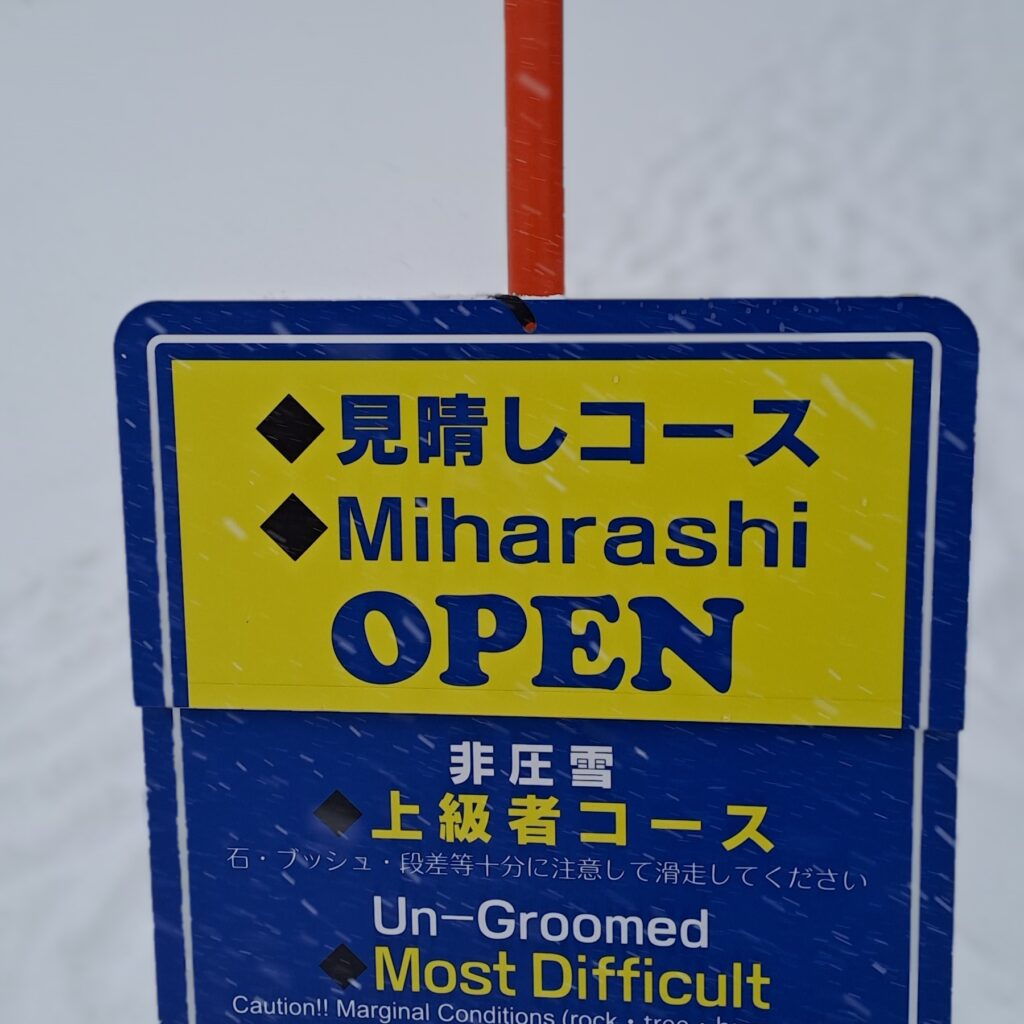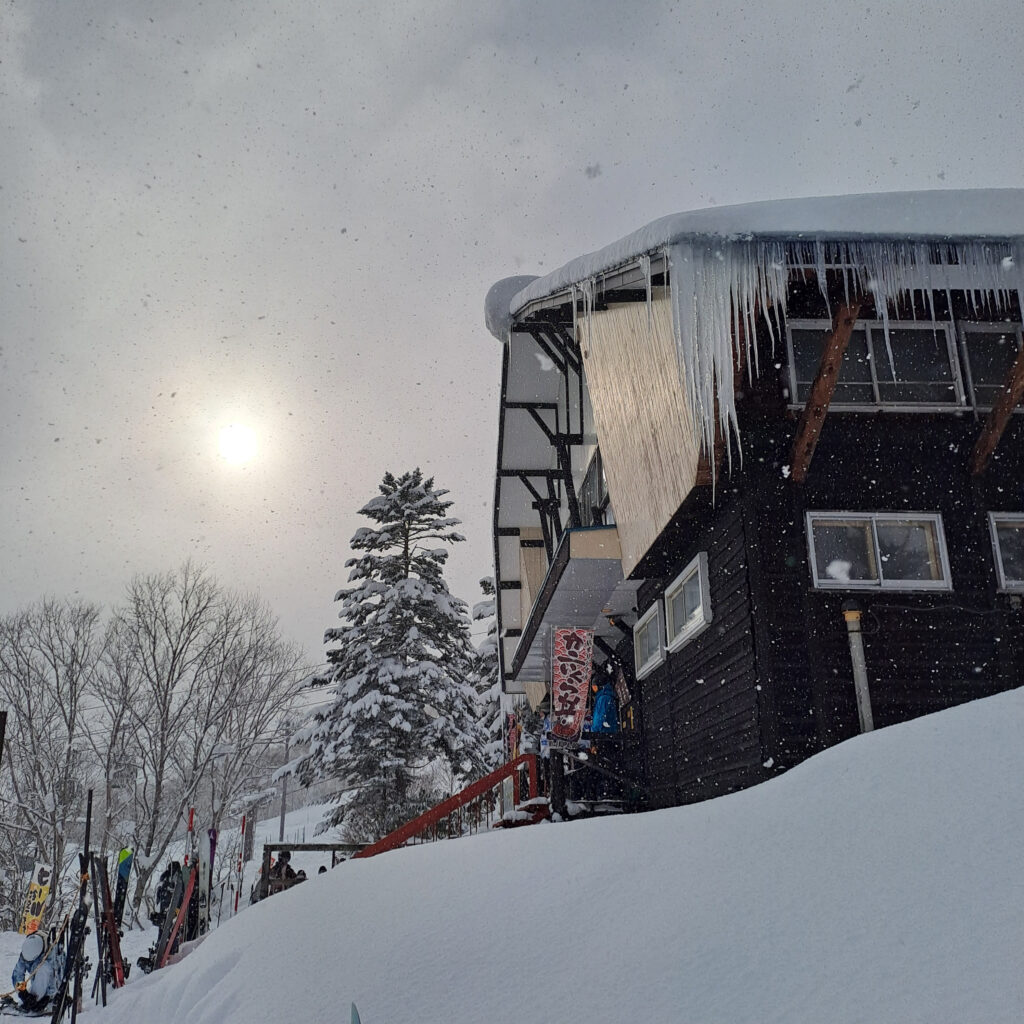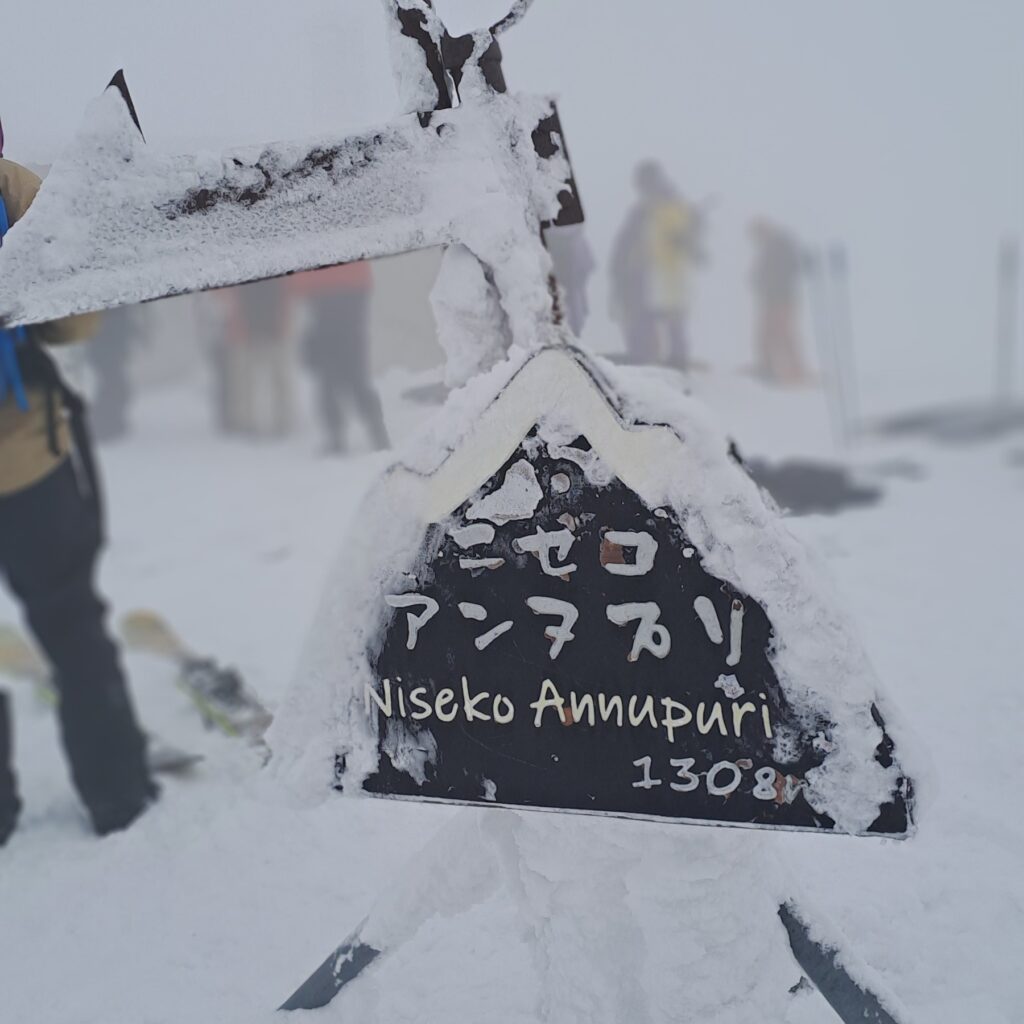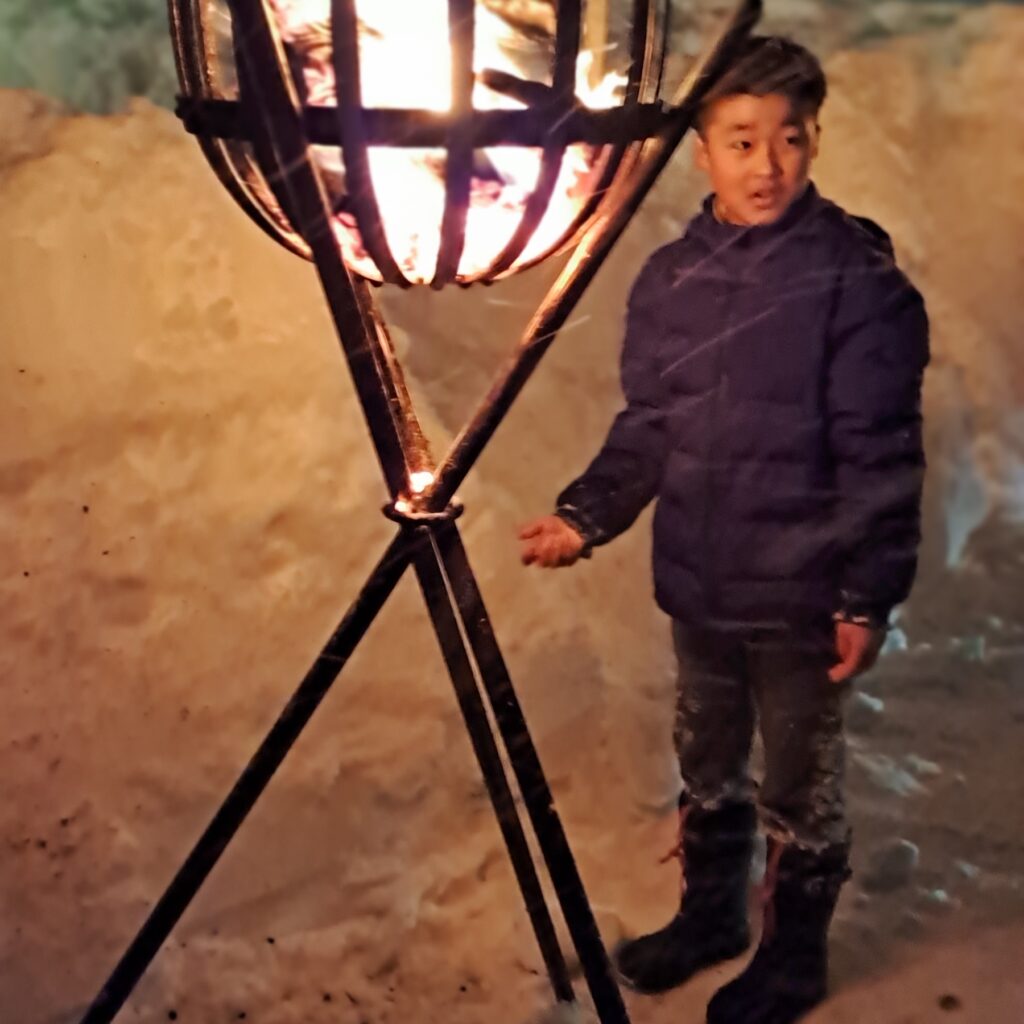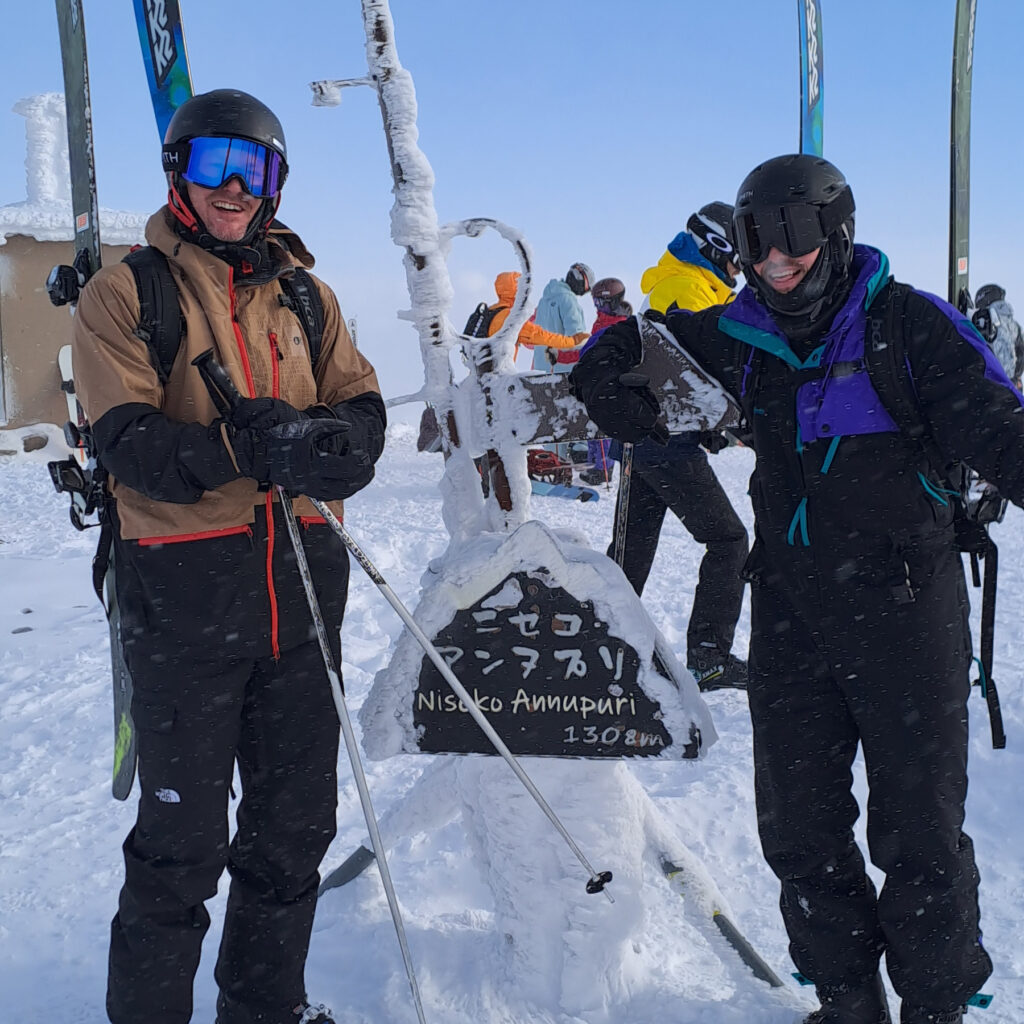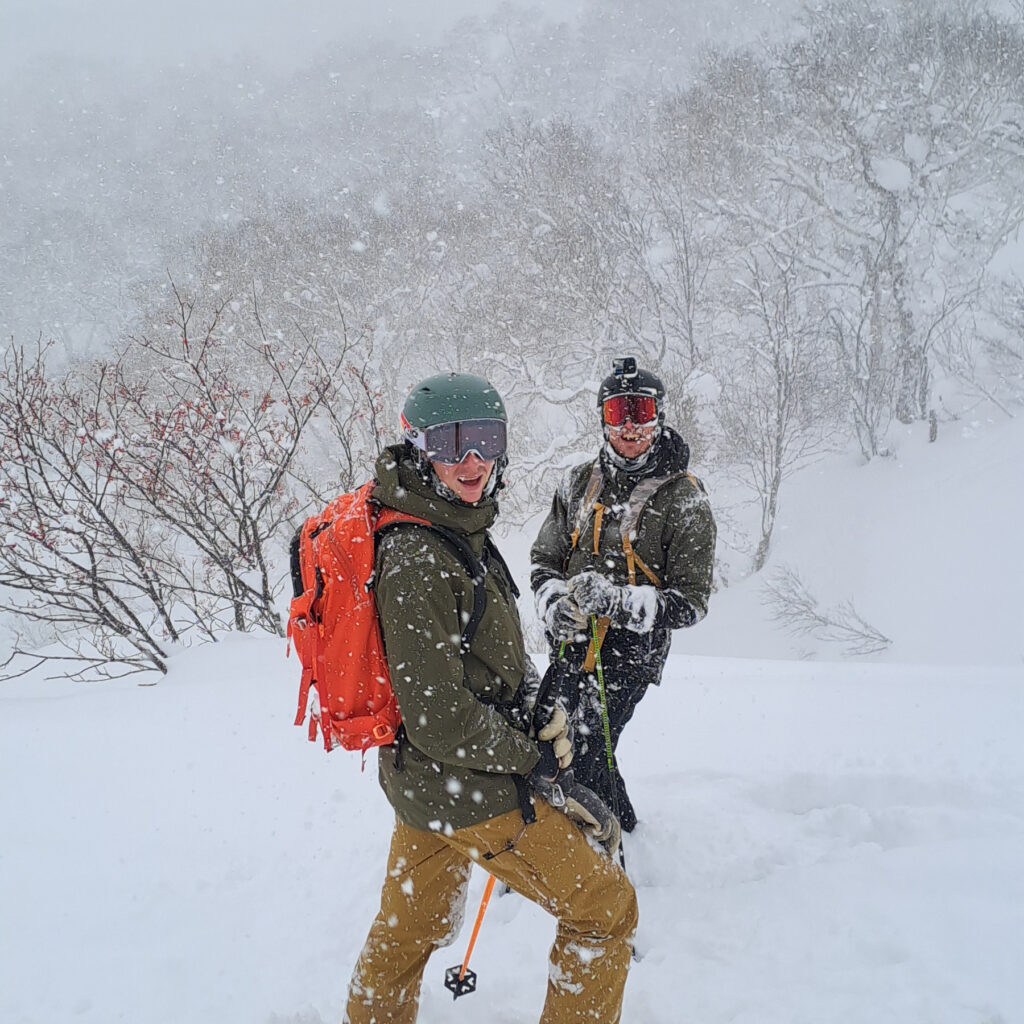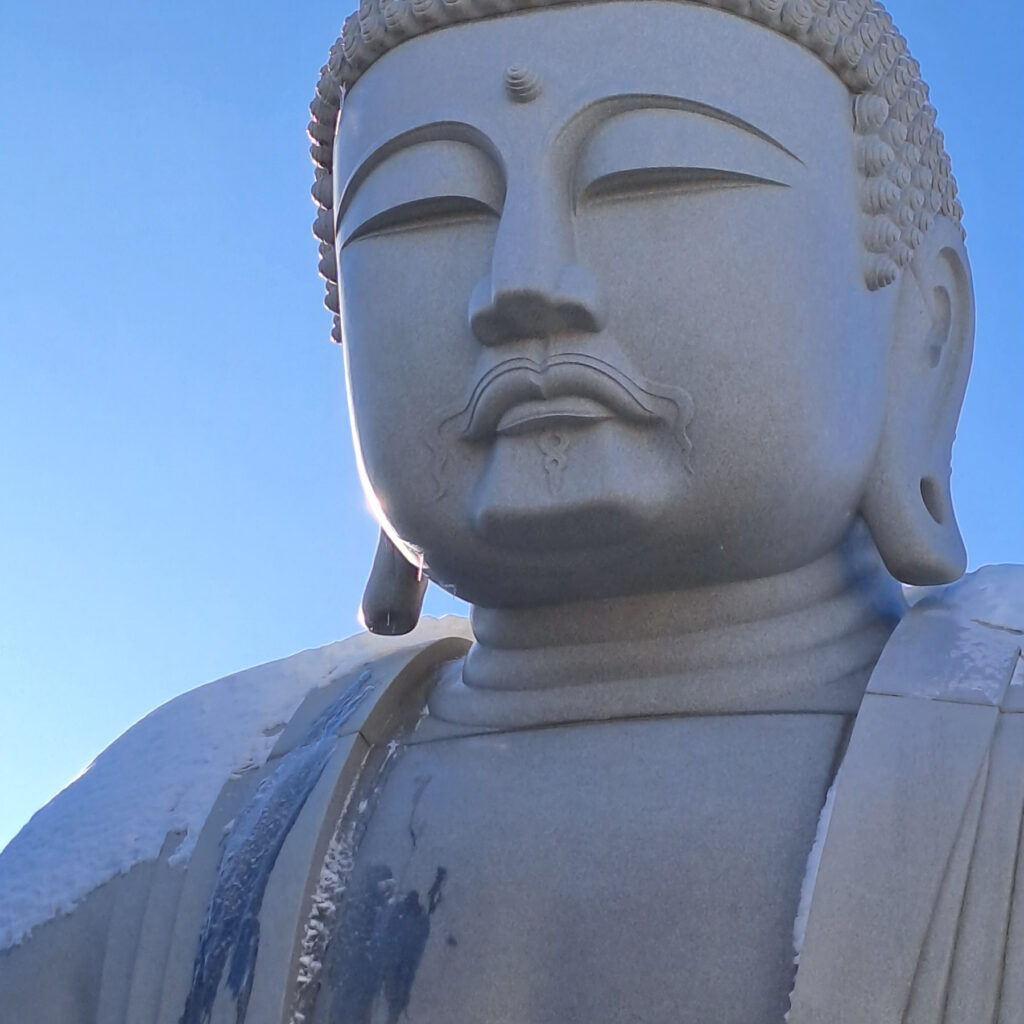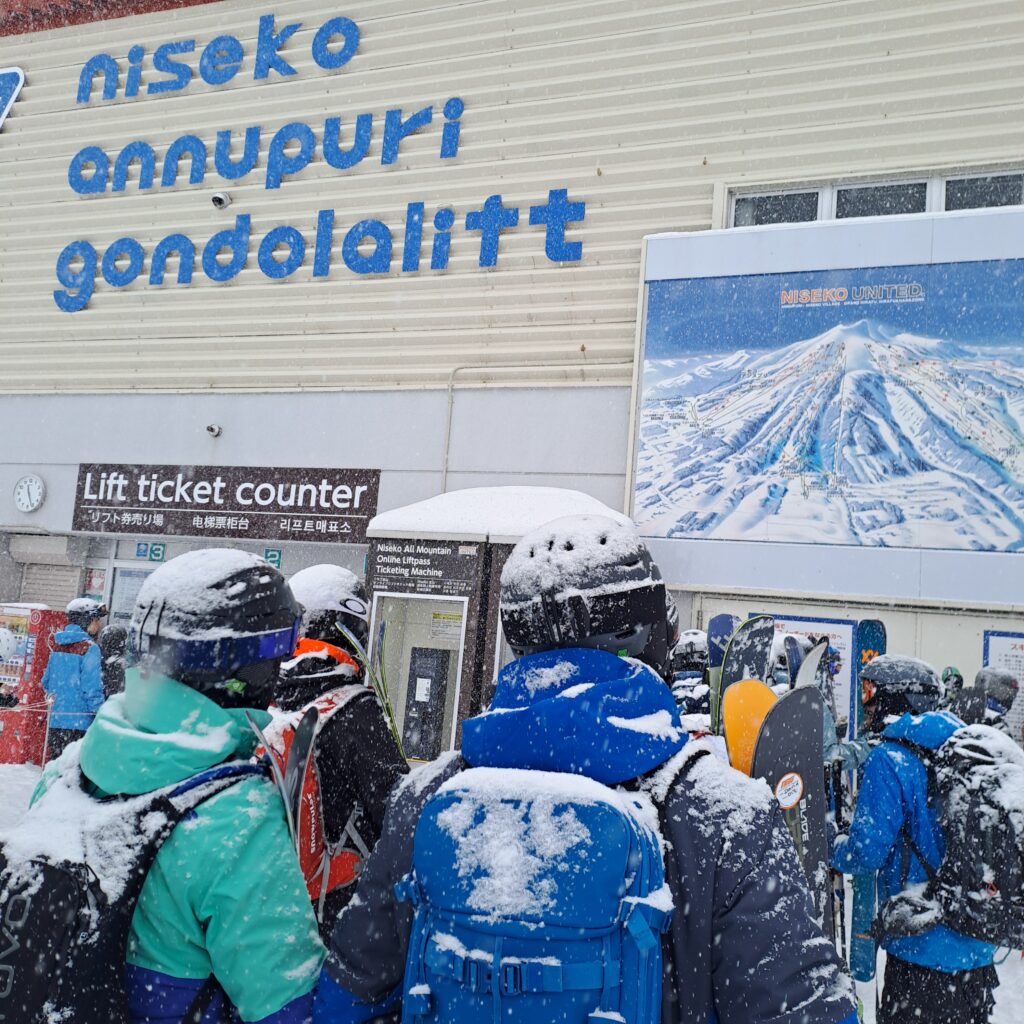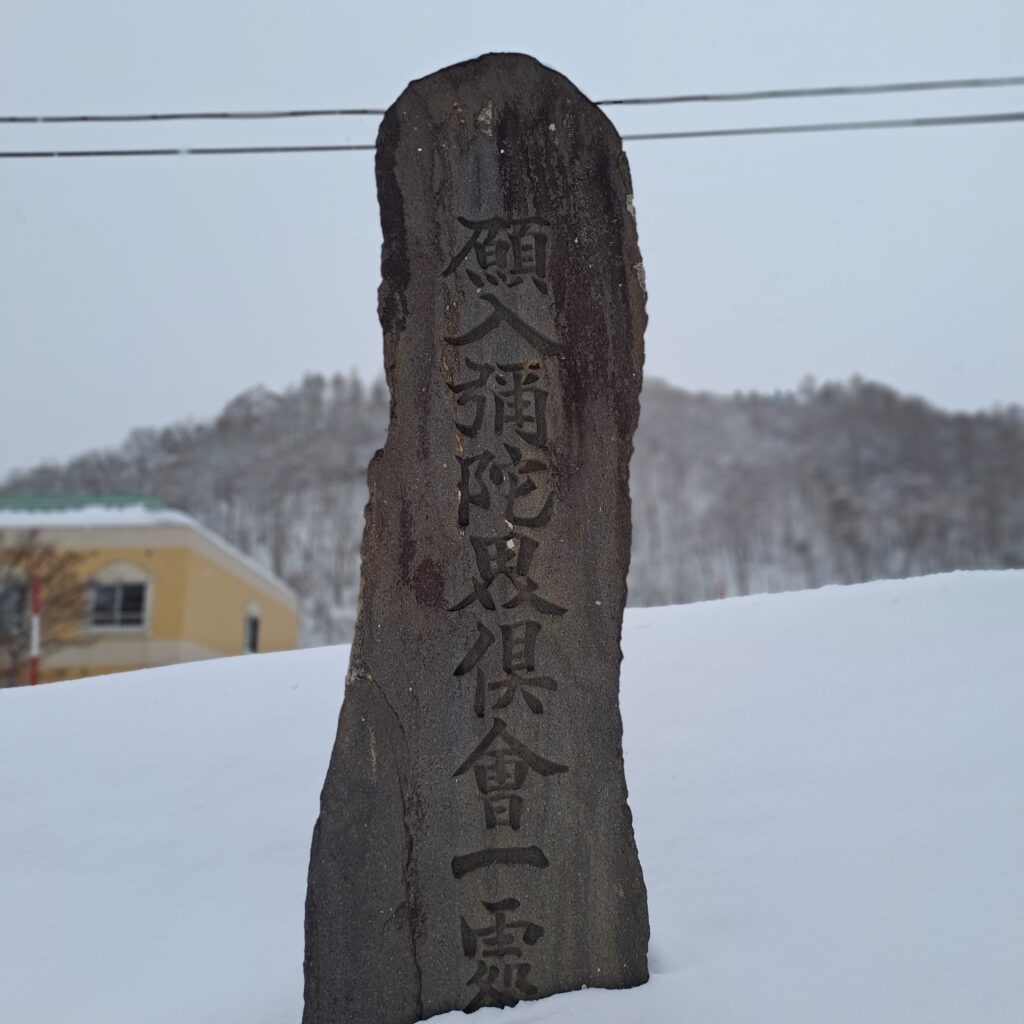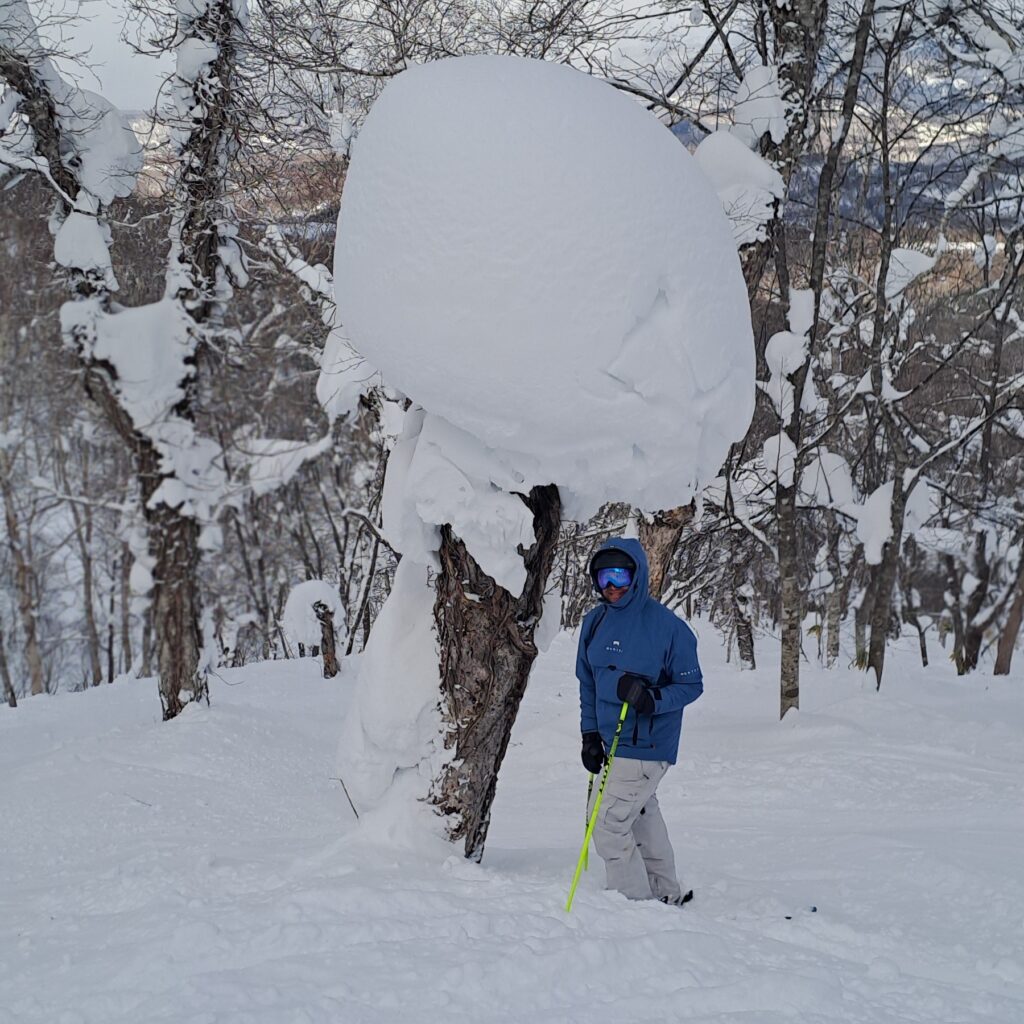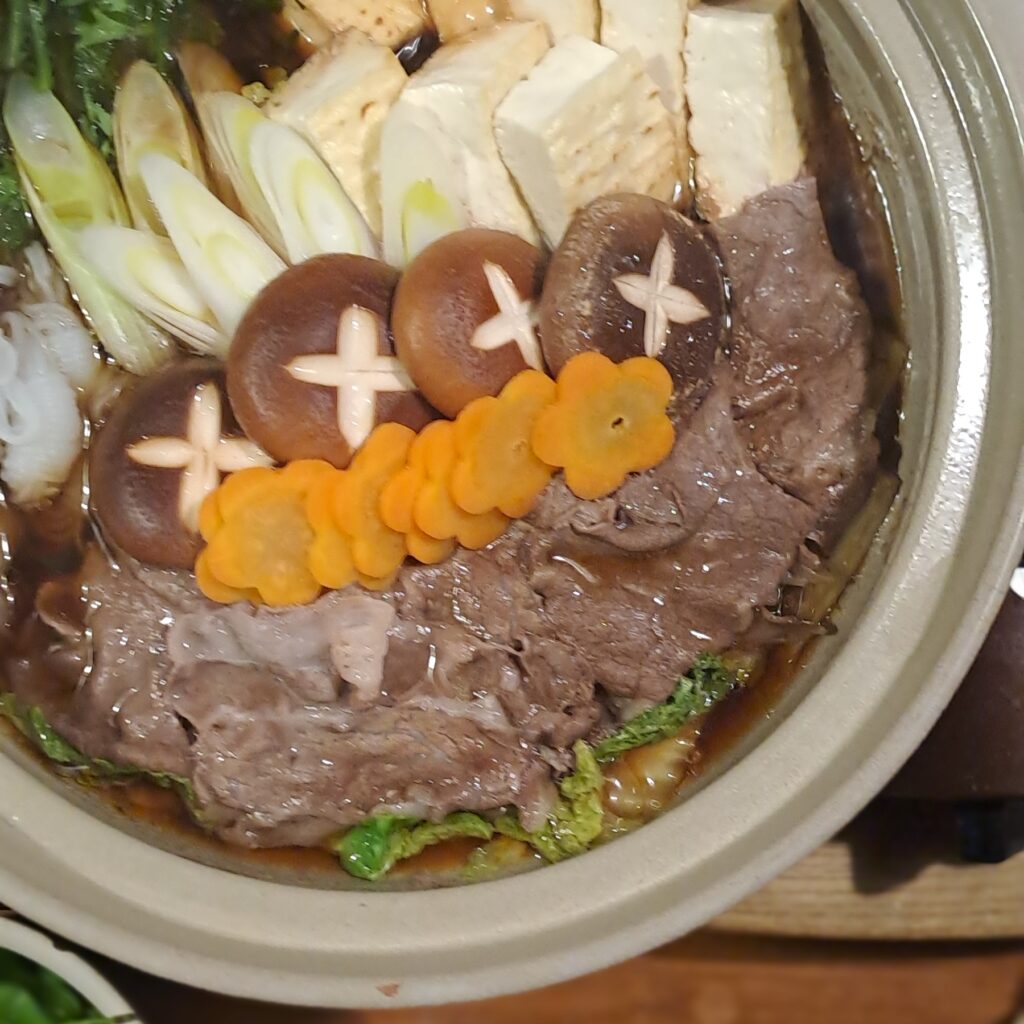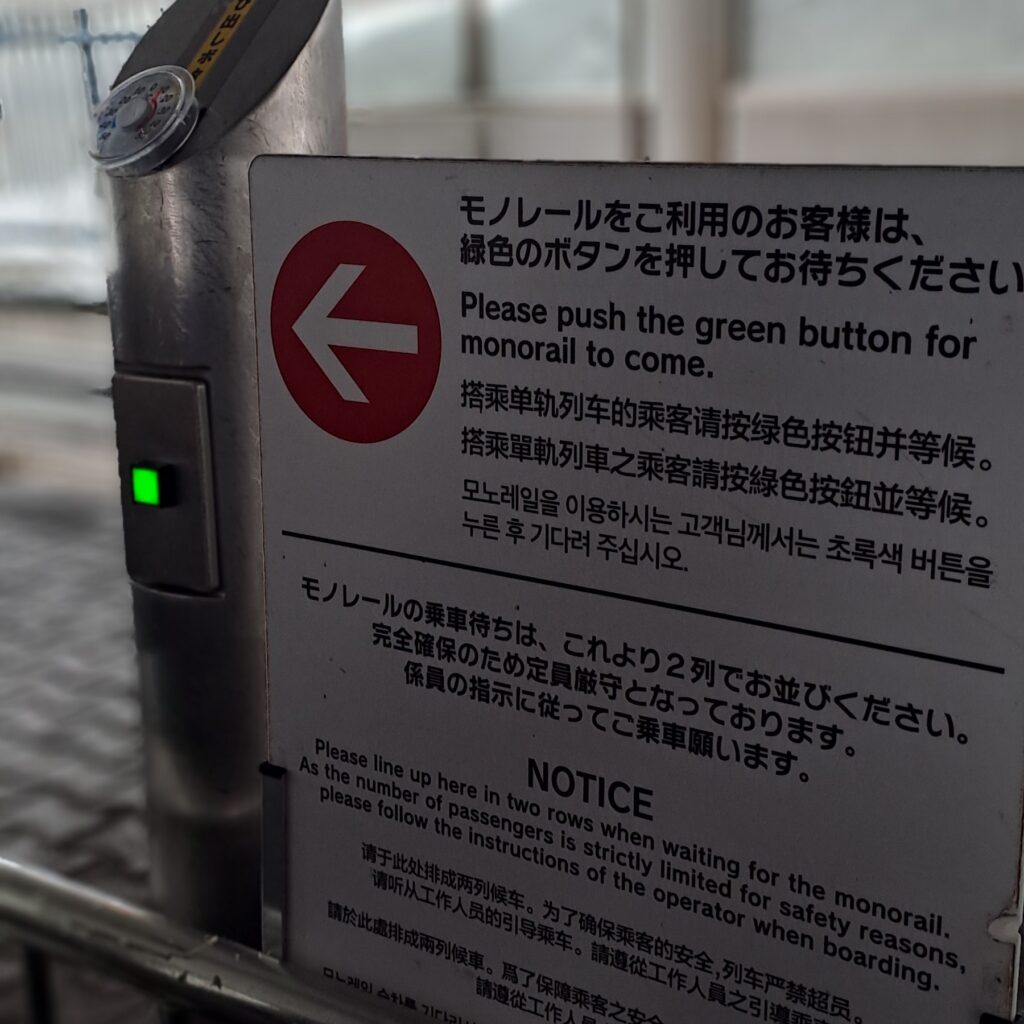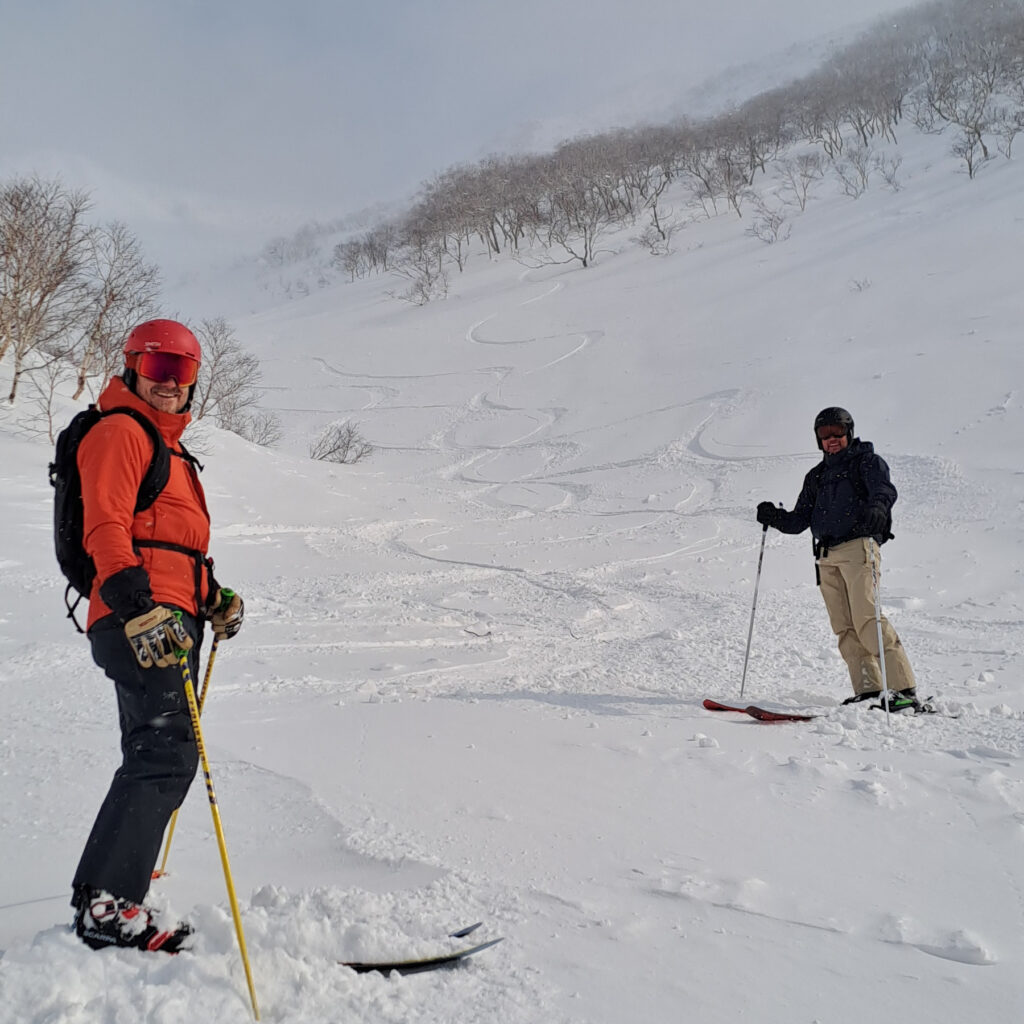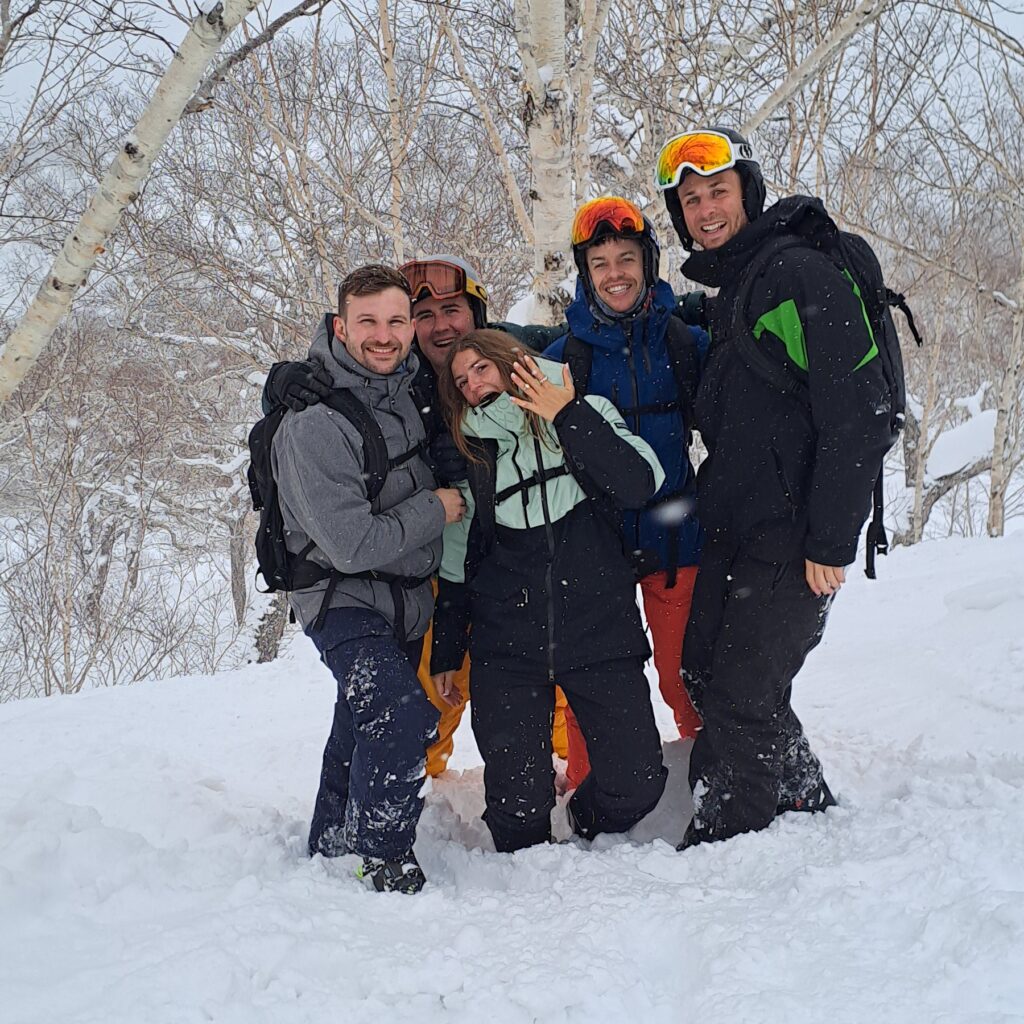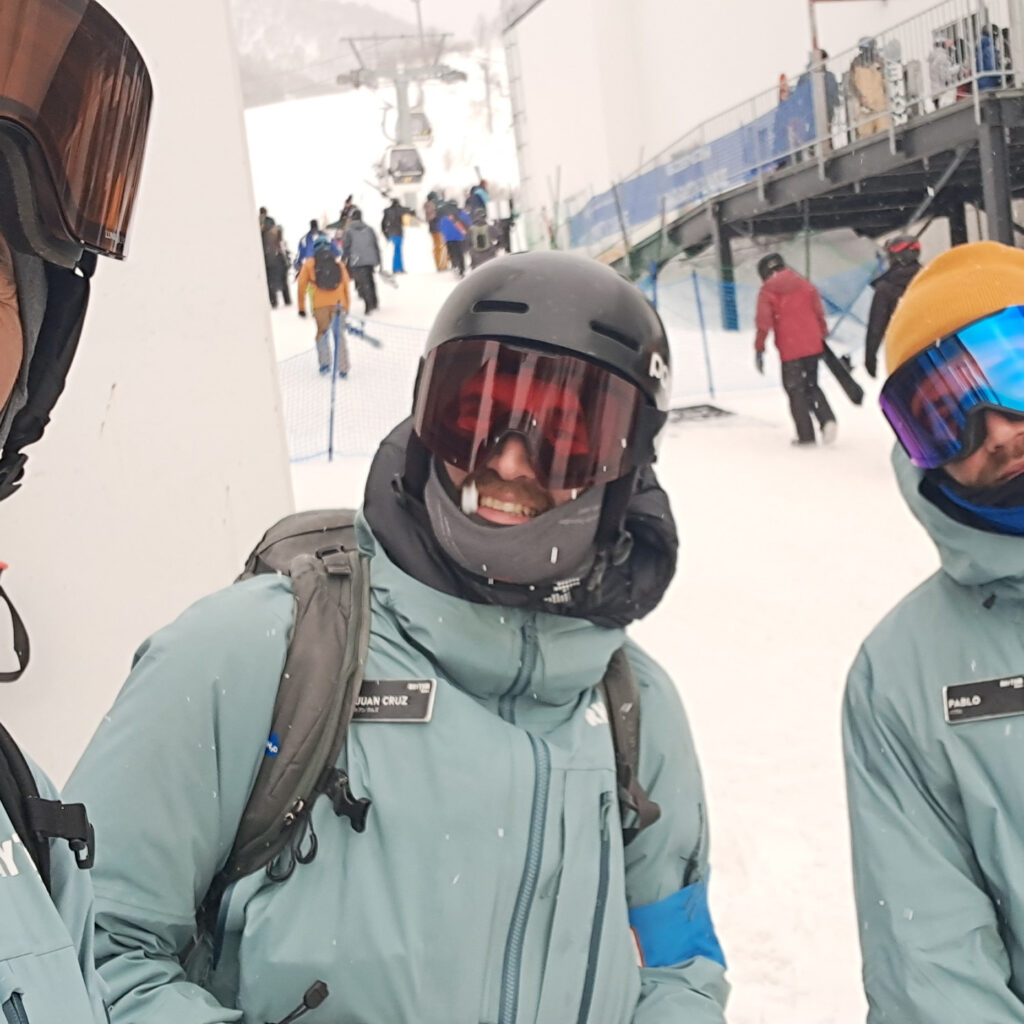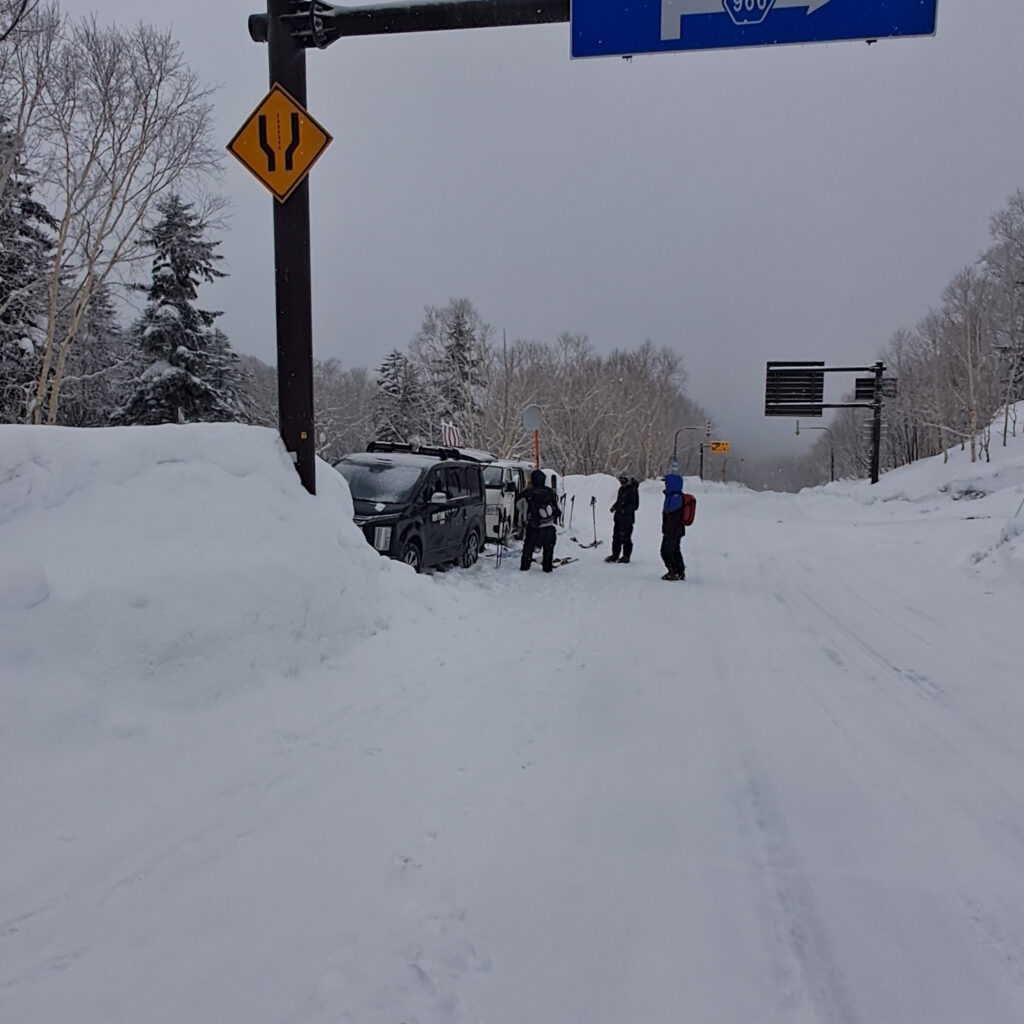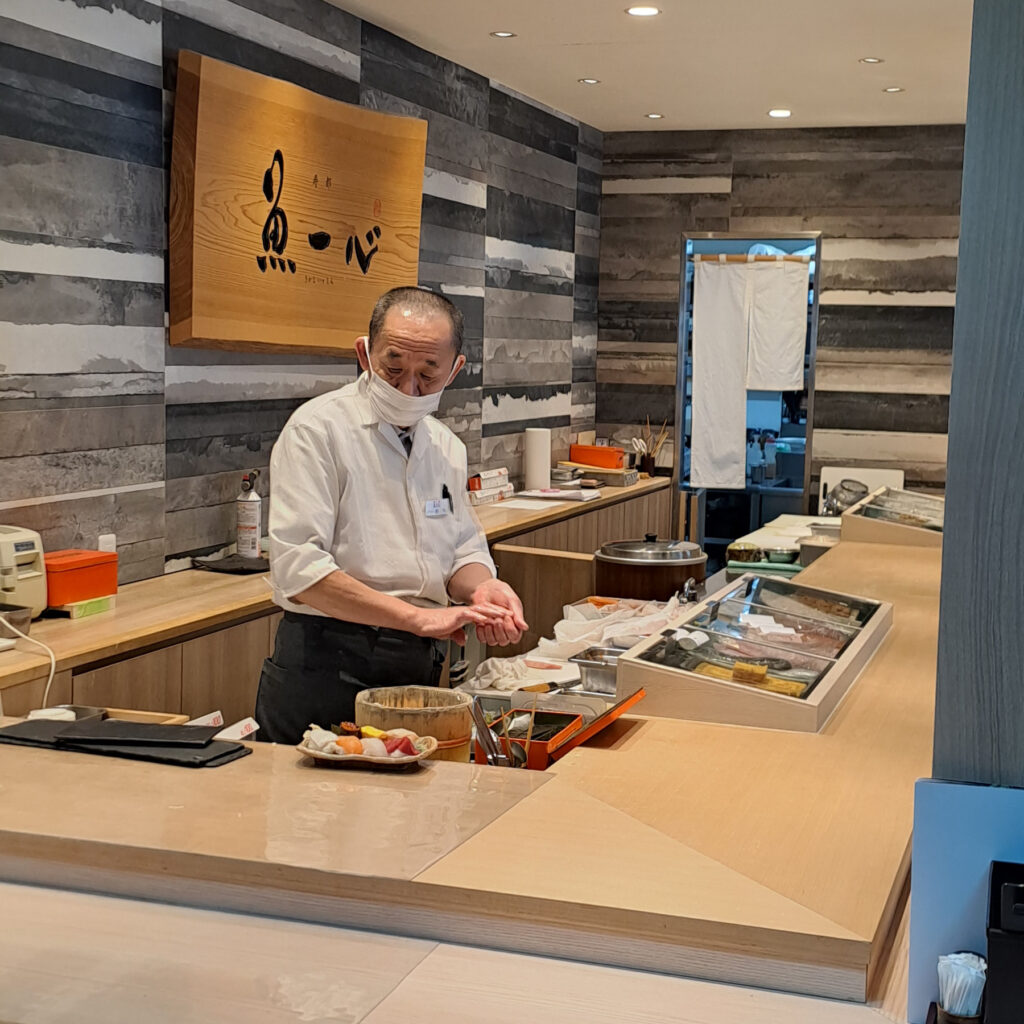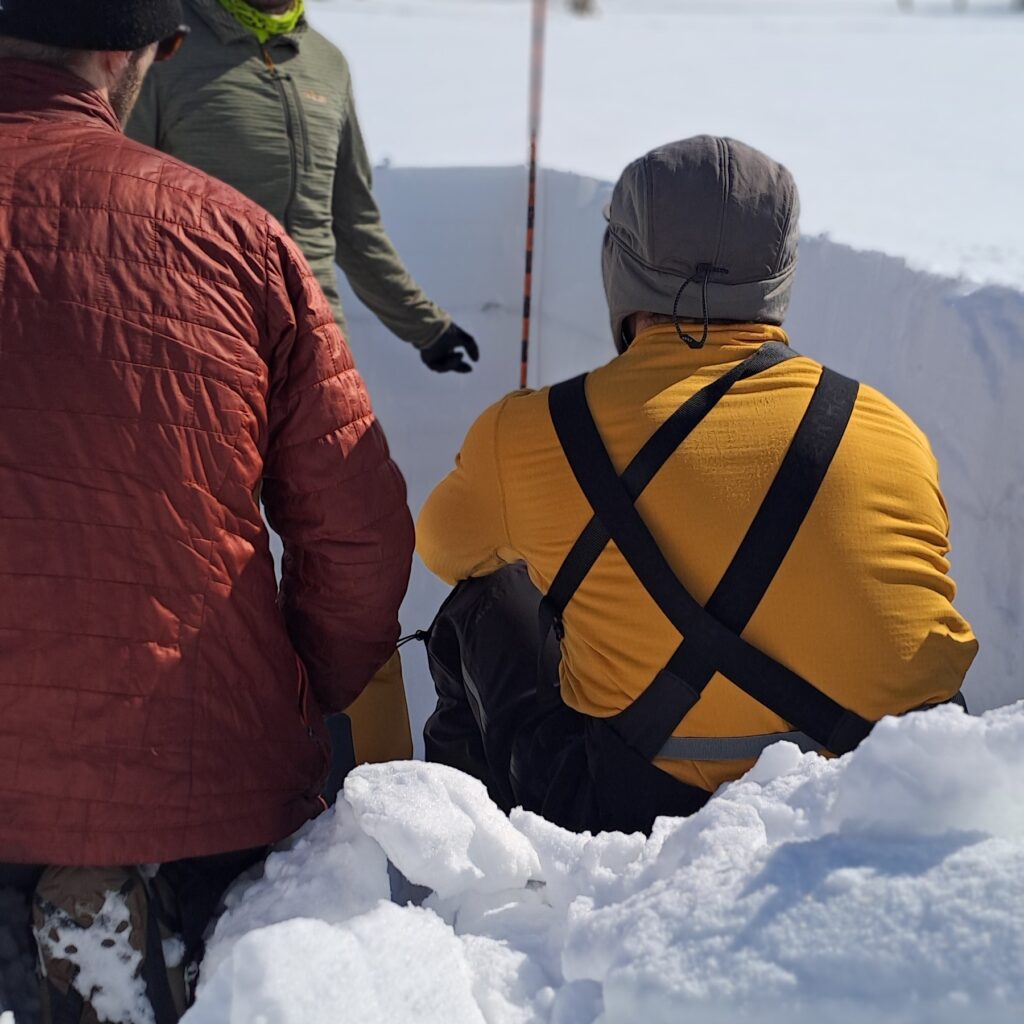

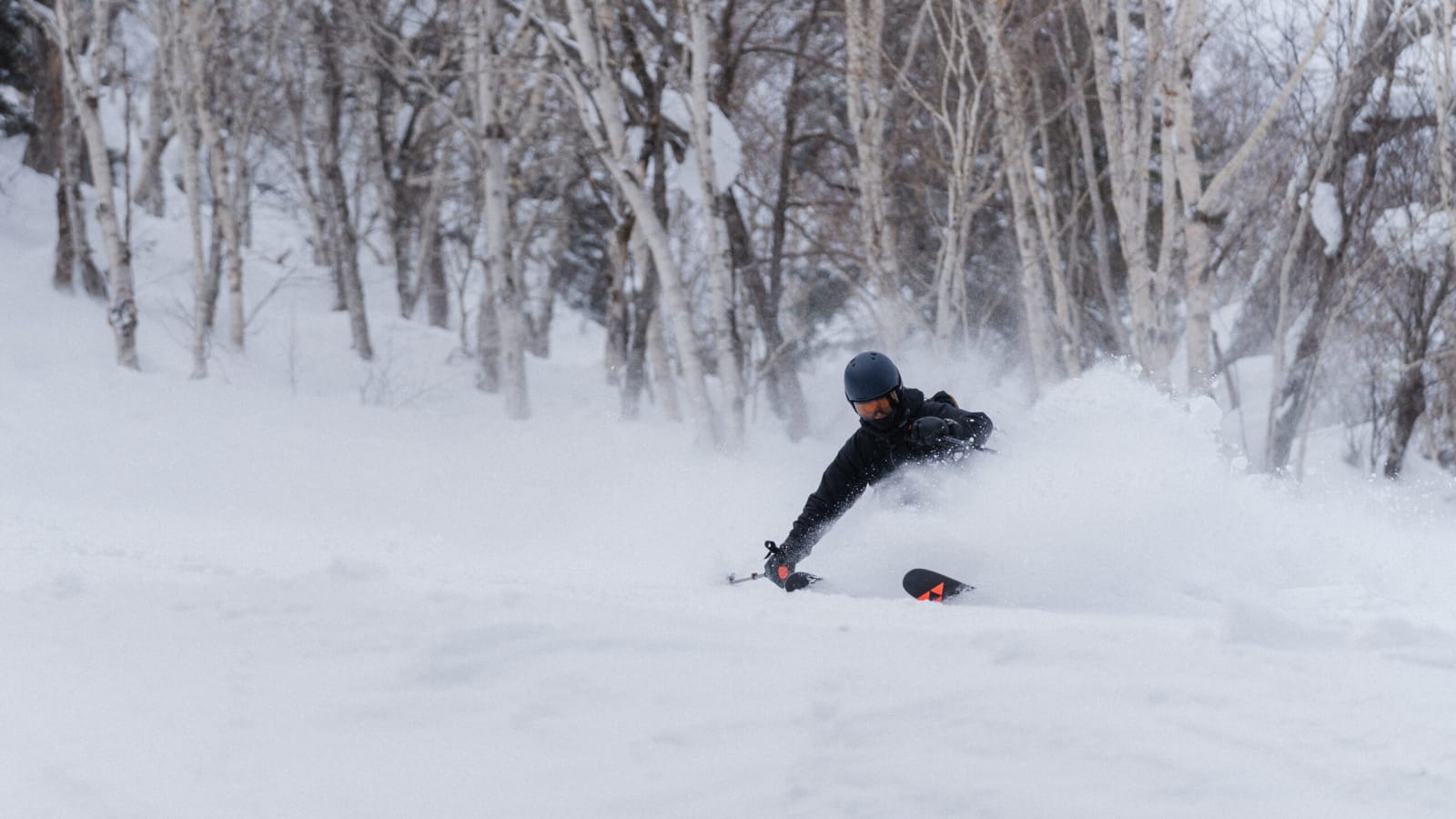
For several days now I've been wanting to write about one of the most intense and transformative experiences of my life: traveling to Japan to work as a ski guide. In these lines I'll try to sum up almost 4 months of living and skiing on the island of Niseko, based in Kutchan and exploring the surrounding area.
It all started with an idea: spend a winter season away from home. After asking around, the opportunity showed up. I sent my résumé to the company Rhythm, had a few interviews… and everything lined up! By December we were already flying to Japan.
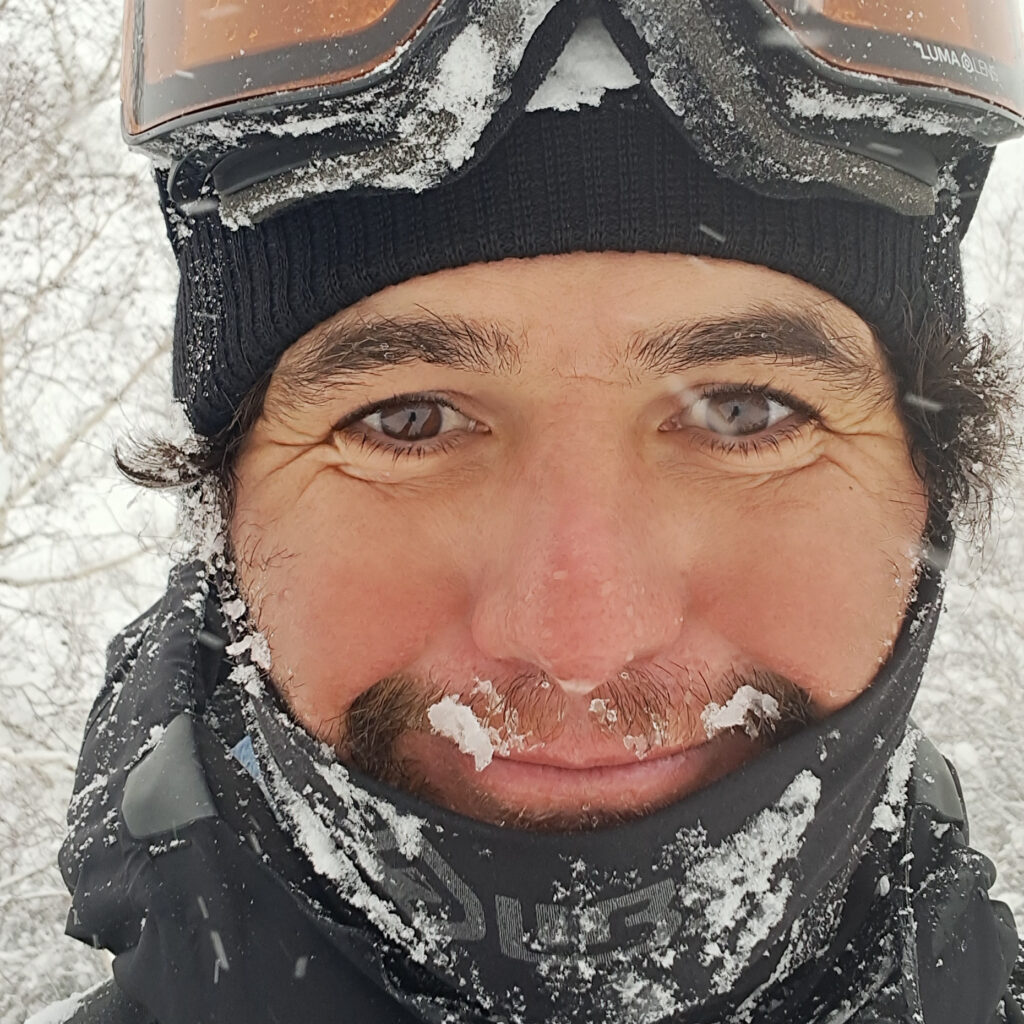
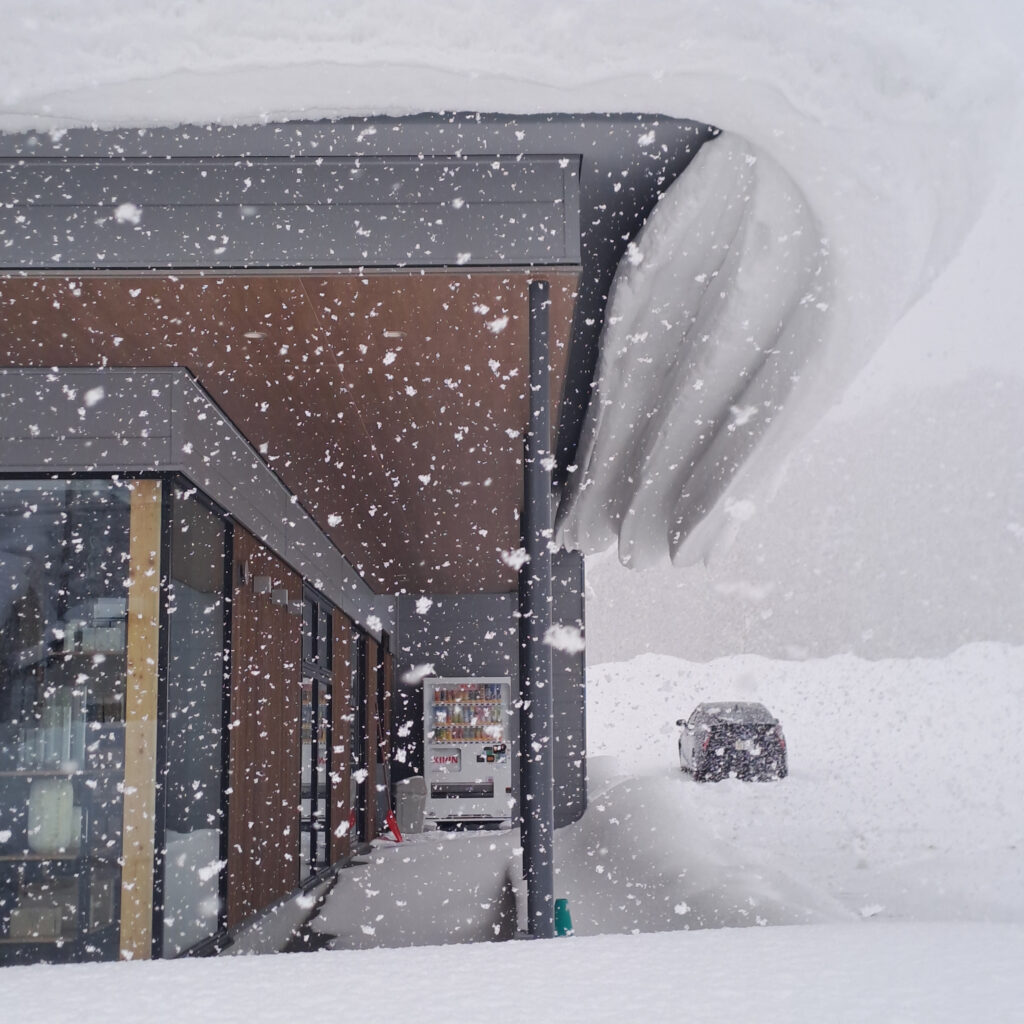
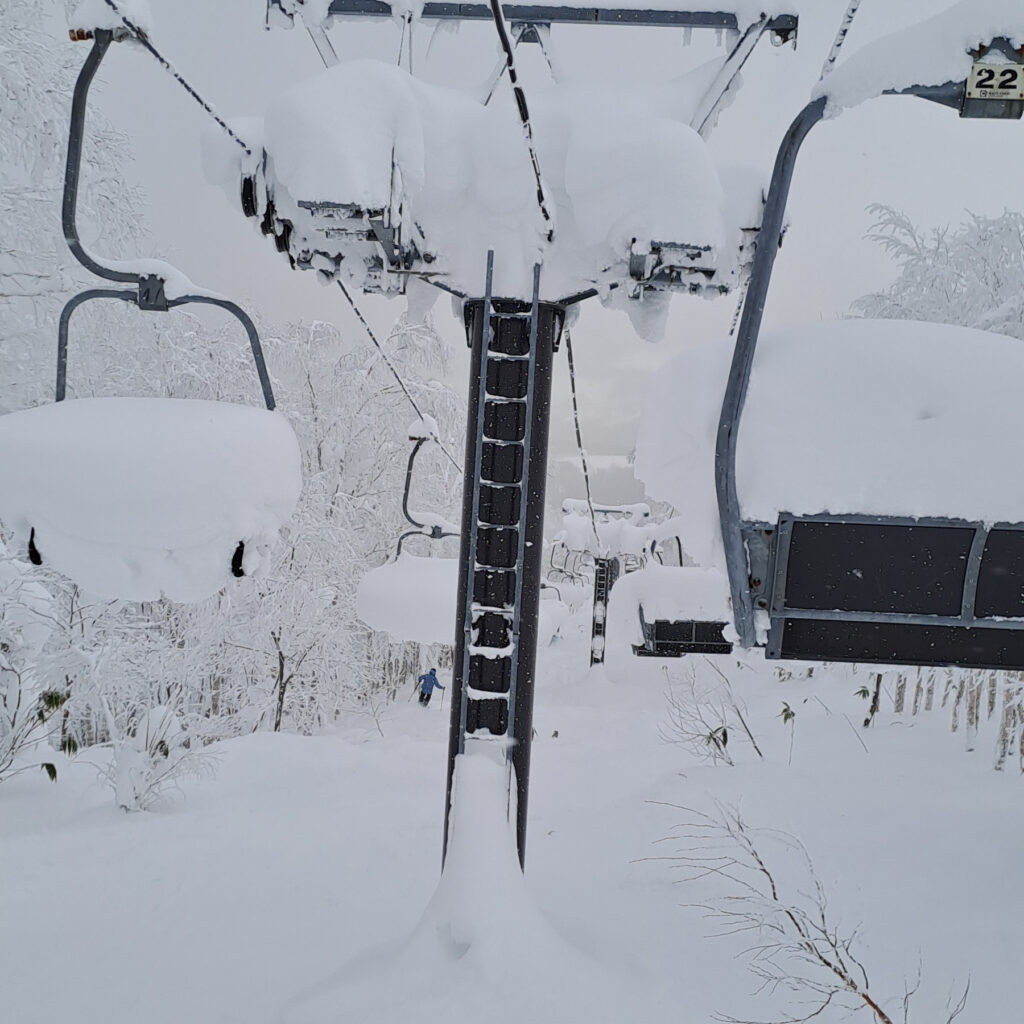
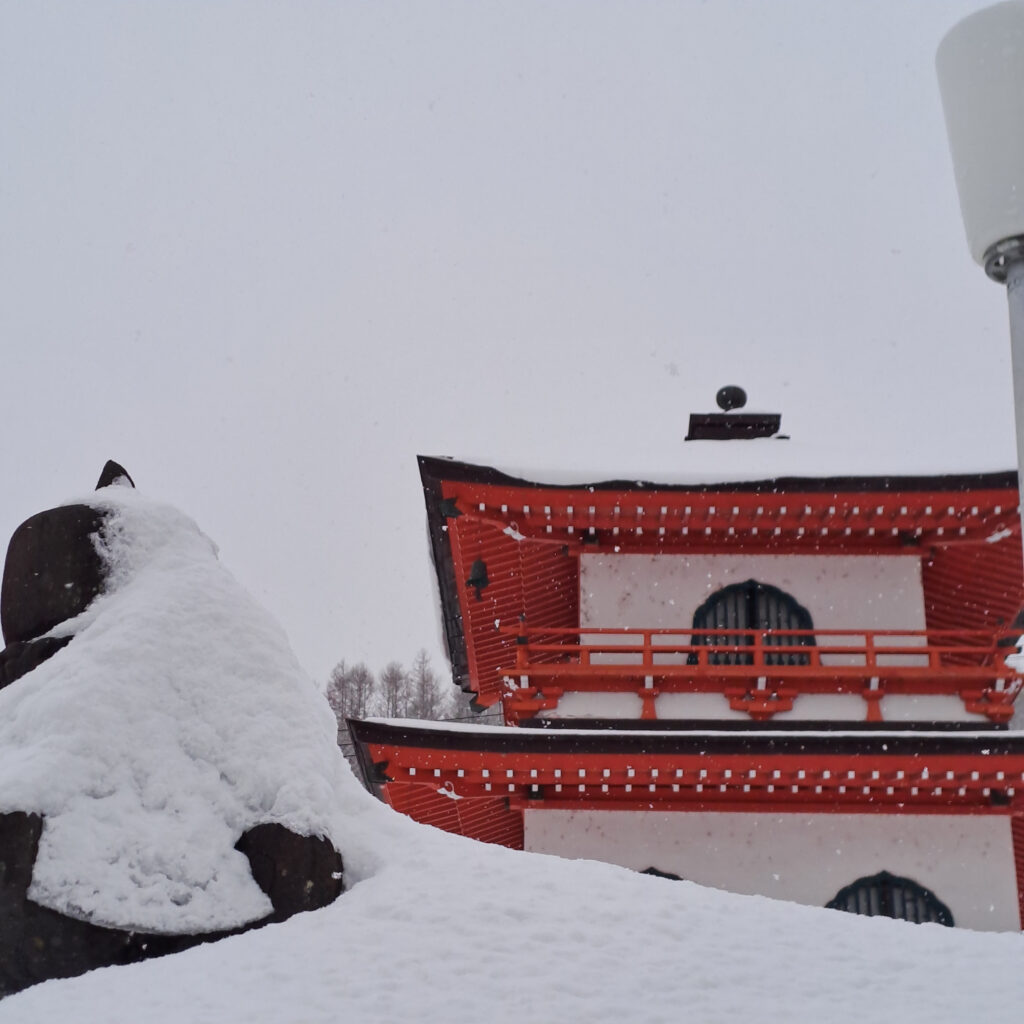
Agos and I left from Buenos Aires. The trip was an adventure in itself: a layover in Tokyo, a flight to Sapporo and finally a bus to Kutchan, the town where we lived for those months. Imagine a place like El Bolsón or Villa La Angostura, but with one key difference: if the plows don't come through, it literally disappears under the snow. And that's no exaggeration… it snows 30 to 40 cm per day!
Kutchan had everything we needed: a supermarket, ATMs, 7-Eleven and plenty of other surprises.
Where does all that snow come from?
Snowstorms in Japan are born in Siberia, where very cold, dry air forms. That air travels on the northwesterly winds, crosses the Sea of Japan and picks up moisture. When it hits the mountains of Hokkaido, the air rises, cools even more and releases its moisture as light, dry, magical powder snow.
💨 + 🌊 + 🏔️ = 🌨️ Japow.
This cycle repeats all winter long, making Japan one of the best destinations in the world for freeride and backcountry skiing.
Working as a guide in Niseko
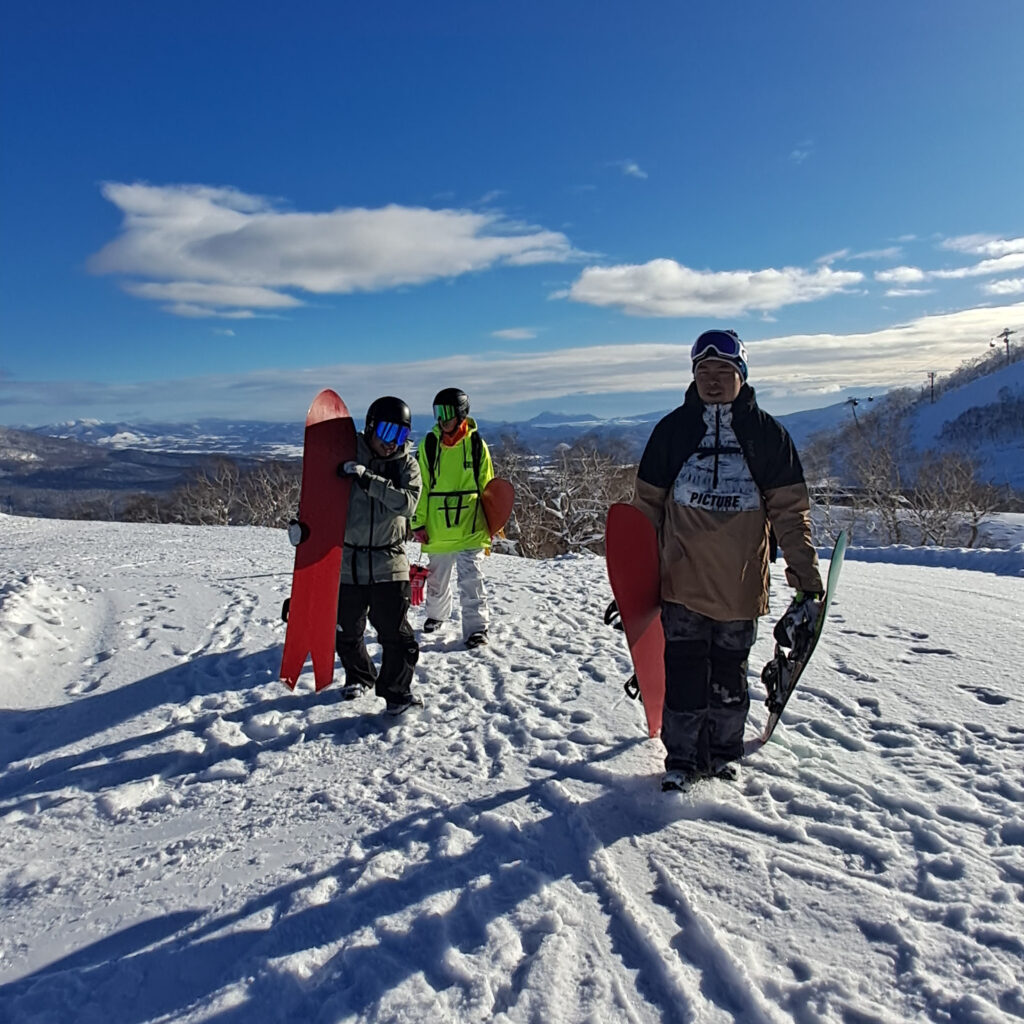
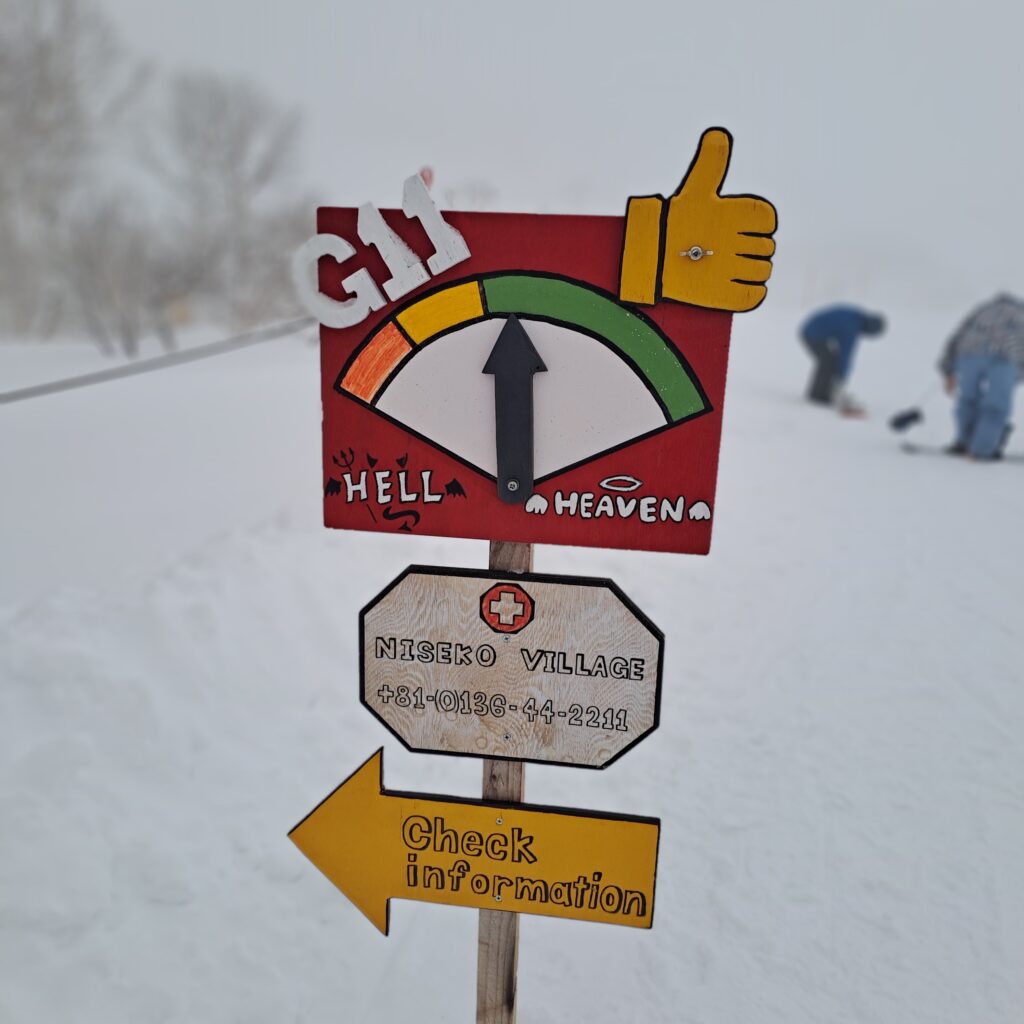
I worked as a guide for one of Niseko's big companies, which guaranteed me plenty of ski days. The resort is divided by a system of "gates" that mark entry and exit points to the off-piste terrain. This made it easier to choose your runs, and you always ended up close to a chairlift or gondola.
Niseko is one of the most developed ski resorts in Japan, but during the "ski boom" of the 1980s, more than 400 resorts opened across the country. Then in the 90s the economy changed and many closed. Today about 100 are still operating, and only a few have international access, like Niseko, Hakuba and Myoko.
The best part? You can still explore plenty of abandoned resorts!
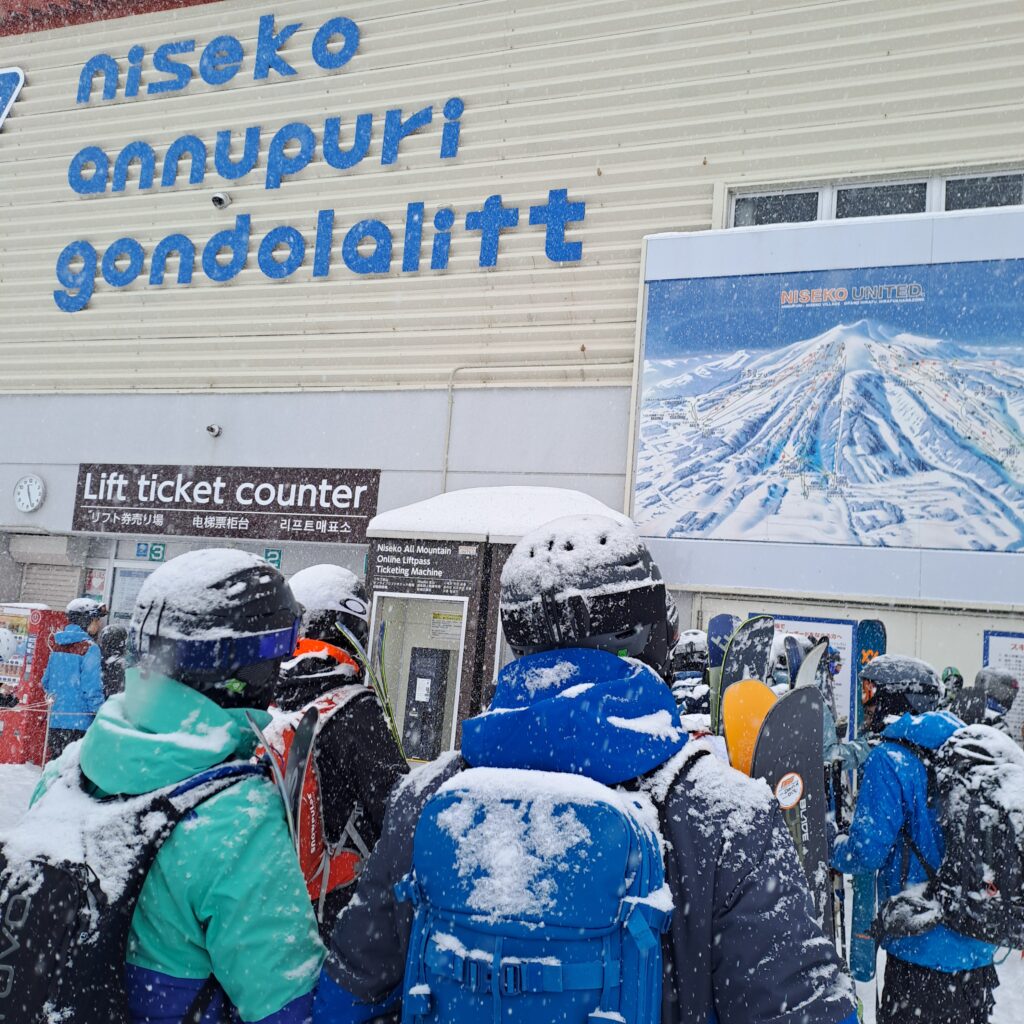
Japanese backcountry: forest, powder and magic
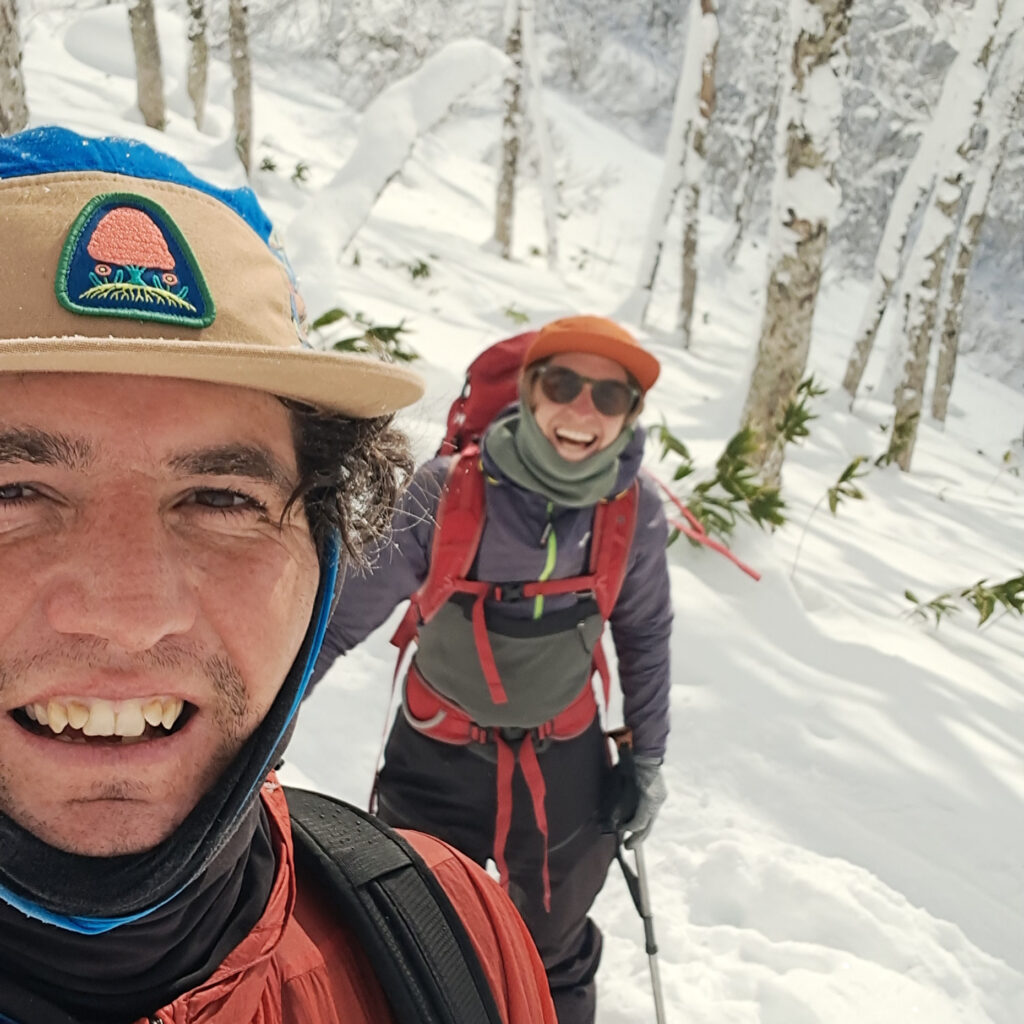
Outside the resorts there's an endless supply of options for ski touring or splitboarding. While there isn't much alpine terrain in Niseko, there are forests with ideal slopes and constant snow.
Two key resources for planning tours:
- 📍 Hokkaido Wilds: Online guide with tons of info by area and time of year.
- ⚠️ Nadare.jp: Daily avalanche report, reliable and up to date.
Personal recommendation: use fat skis with a waist width of over 100 mm. They'll float better in the powder on the way down and make breaking trail easier, too. Seriously!
Living in Japan: easier than it seems
- You can get a car for about 1000 USD.
- Eating out costs approx. 3-5 USD.
- Get yourself a pair of warm rubber boots: essential for walking around town.
As a tourist you can stay up to 90 days with no problem. The hardest part is finding a rental at a good price, but everything else is pretty straightforward.
Even though it sounds far away, Japan is accessible.
Onsen: the cherry on top
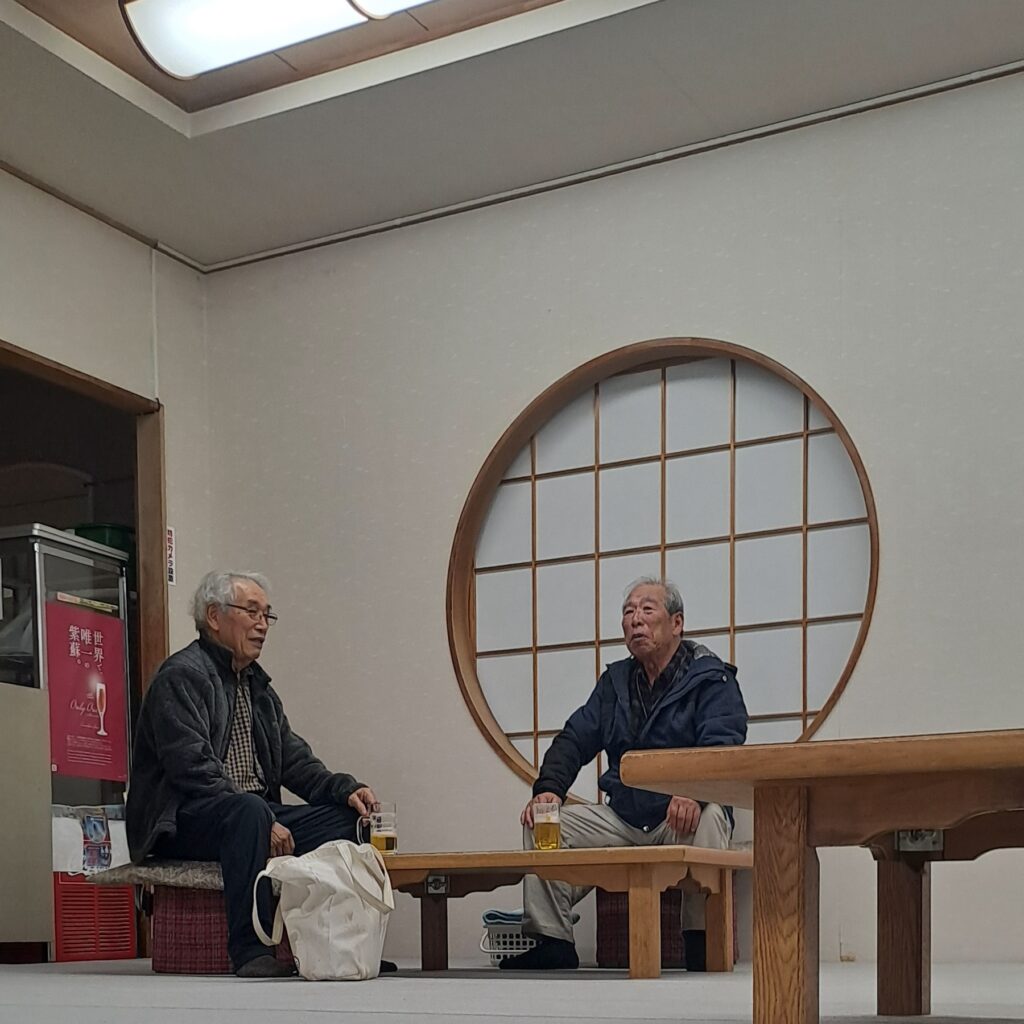
Something that deserves its own section: the onsen. These are hot spring baths where, for about 600 yen (approx. 2500 ARS), you can relax in pools of different temperatures after a long day of skiing.
Yes, you go in naked (separated by gender) and yes, it's an incredible experience. Some have special rooms for napping. Total luxury.
Culture, snow and the perfect routine
Japan is order, respect, silence, spectacular food and a culture that leaves an impression.
My routine:
- 5:30 am alarm
- Breakfast
- 7:20 guides' meeting
- Skiing with guests until 15:00
- Stop by the school, quick change
- Onsen
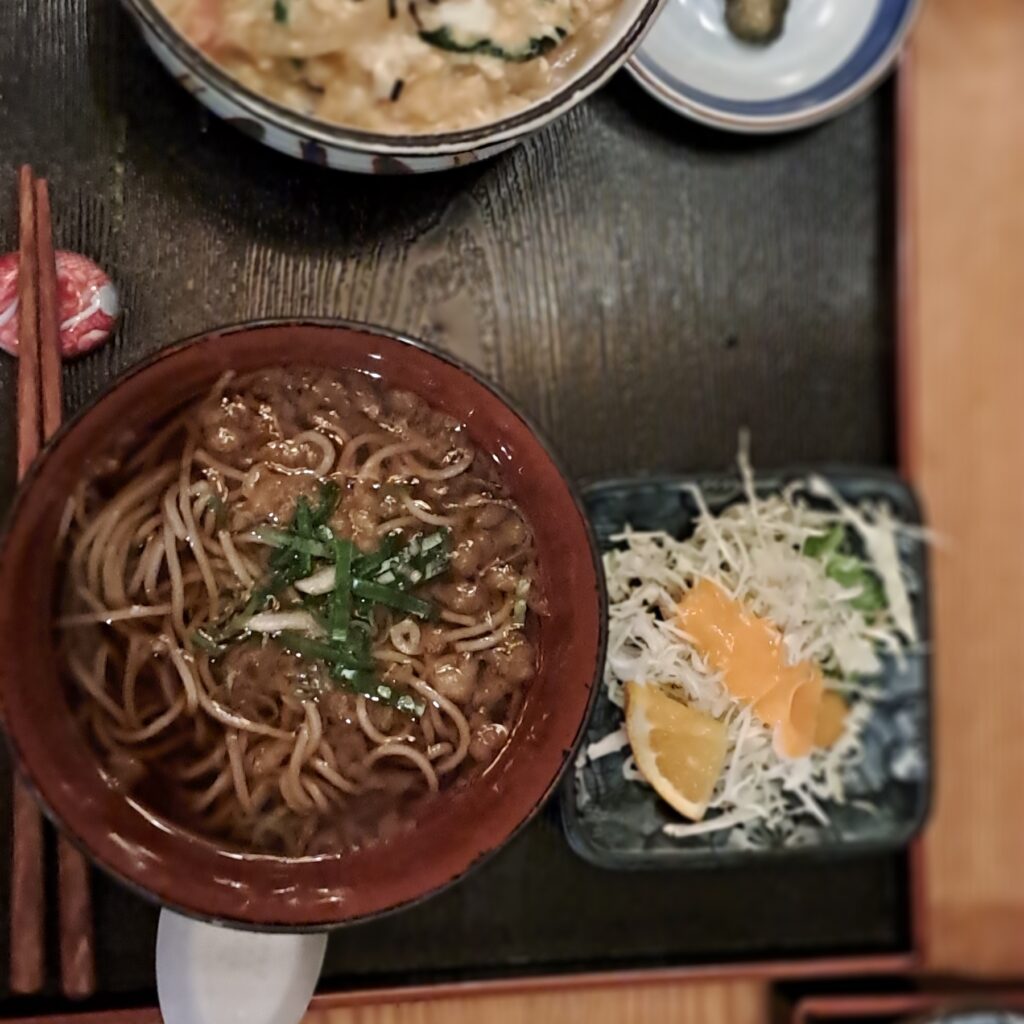
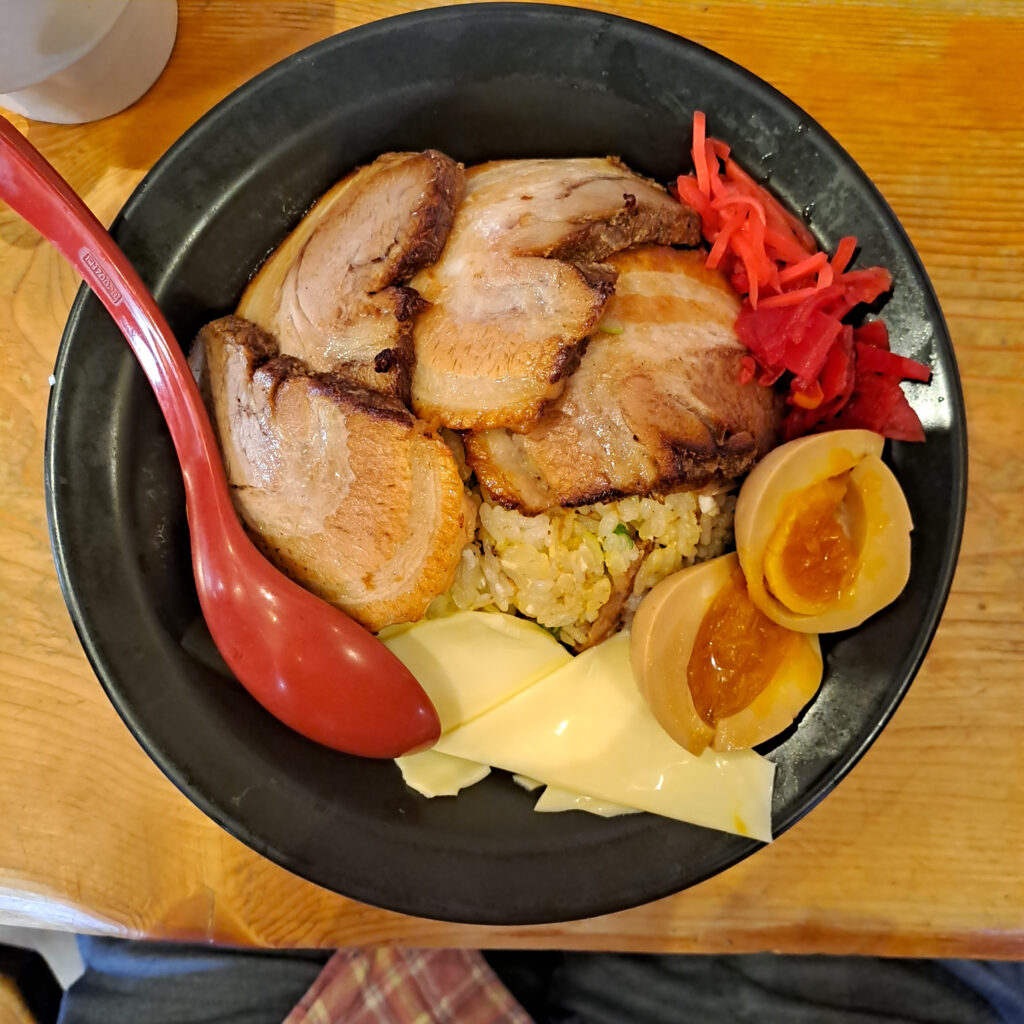
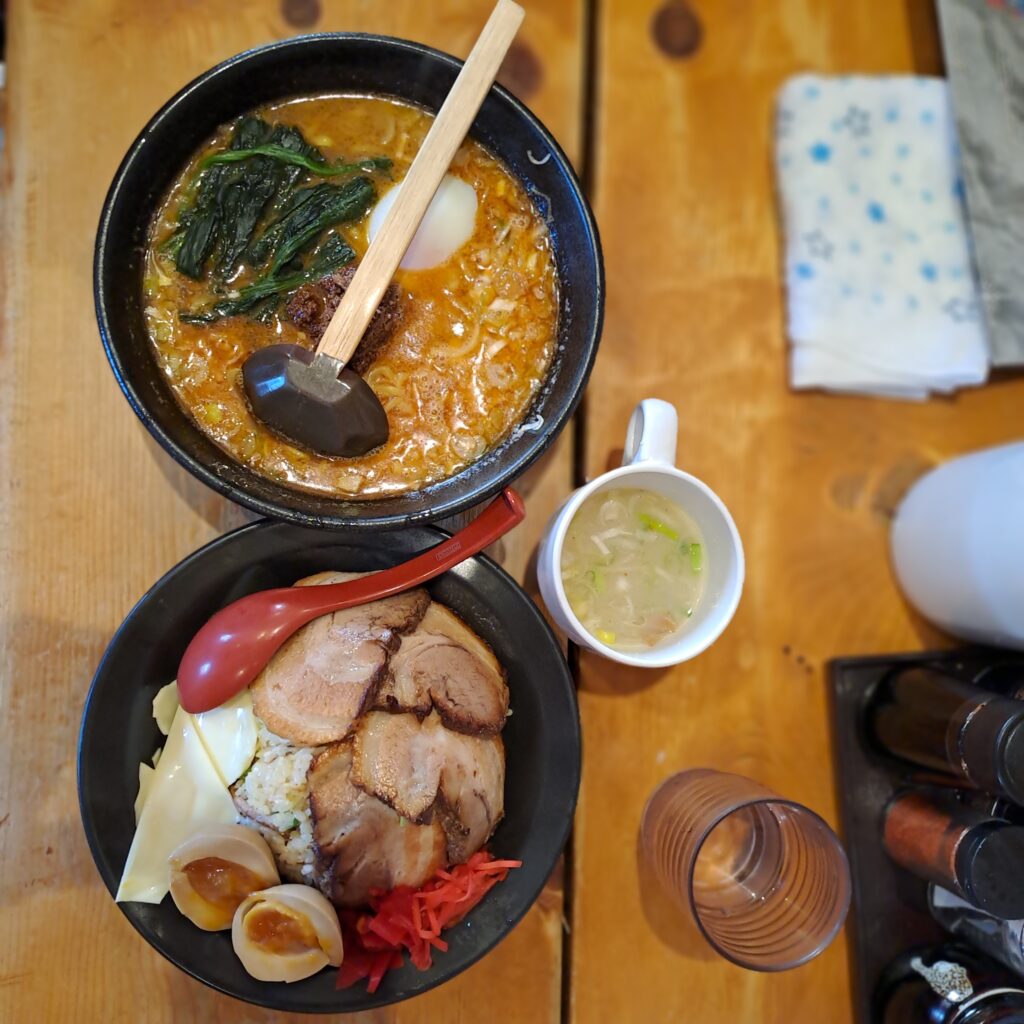
- Fried rice or ramen
- Something sweet from 7-Eleven
- And off to bed for another day of chest-deep powder.
What if we put together Japan 2026?
The best months:
- December to February: powder season
- February to March: spring
We're seriously thinking about organizing a trip for 2026. Would you like to join us?
Write to us and let's start shaping an adventure, a chance to ski superior snow quality, get lost in the little streets of Kutchan and enjoy Japan's culinary art.
Jere Palavecino – Head Guide BCC