

Ski Touring & Splitboard Course Level 2
Cerro Lopez

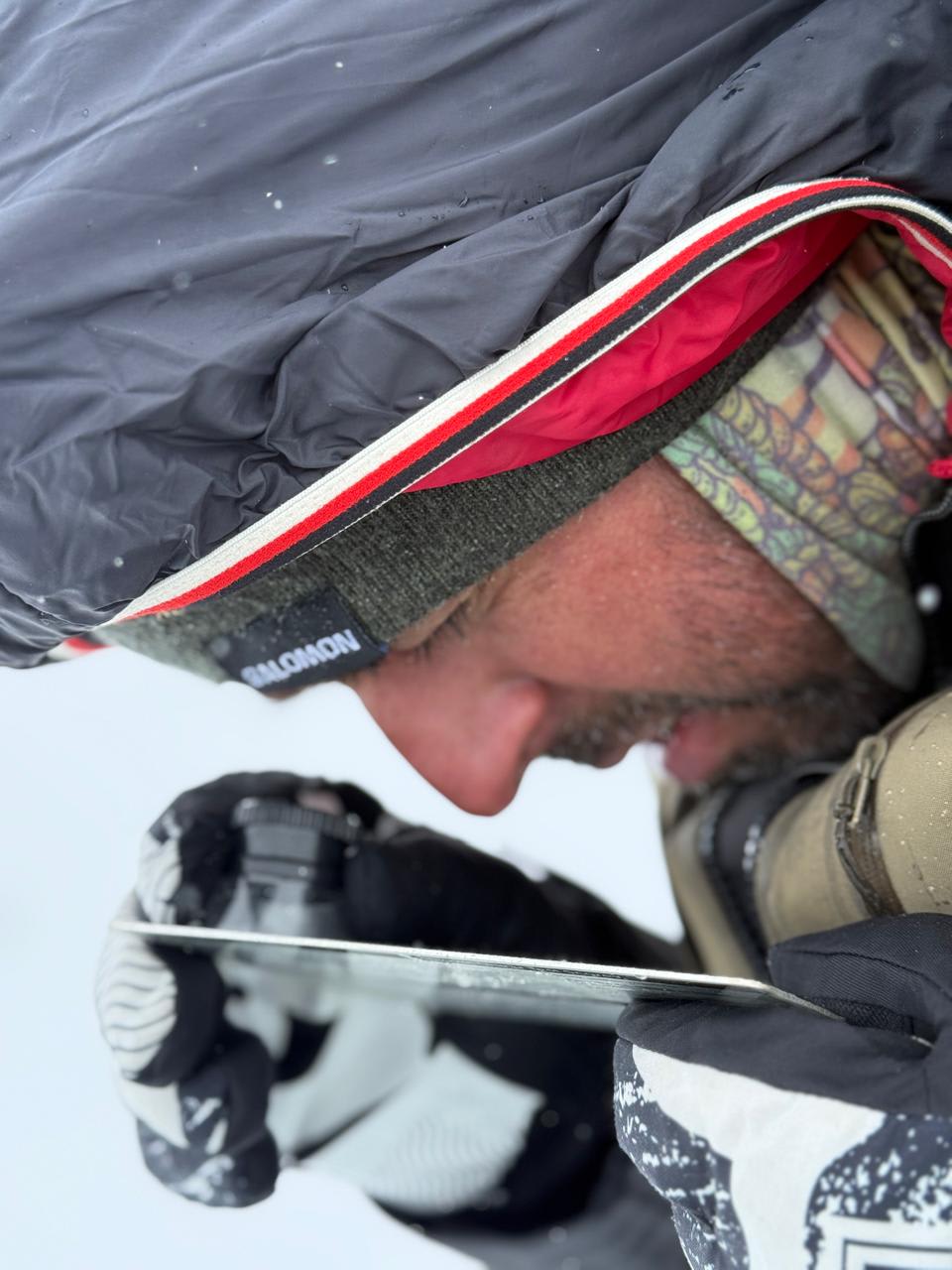
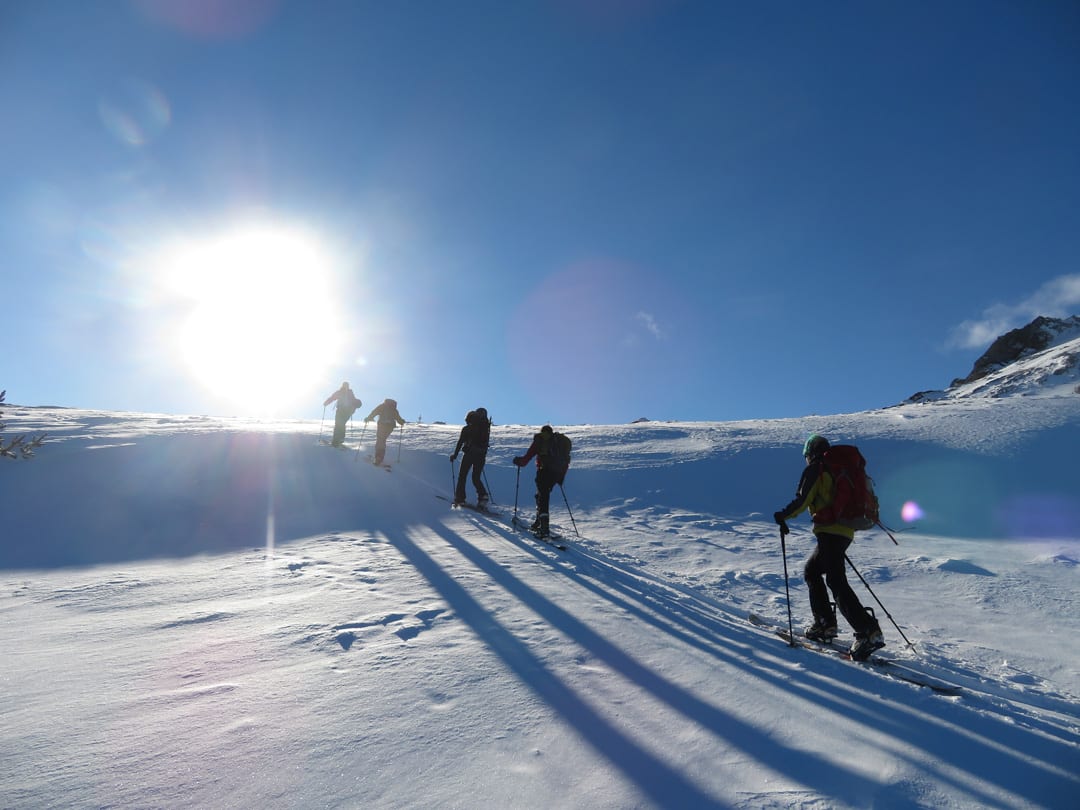
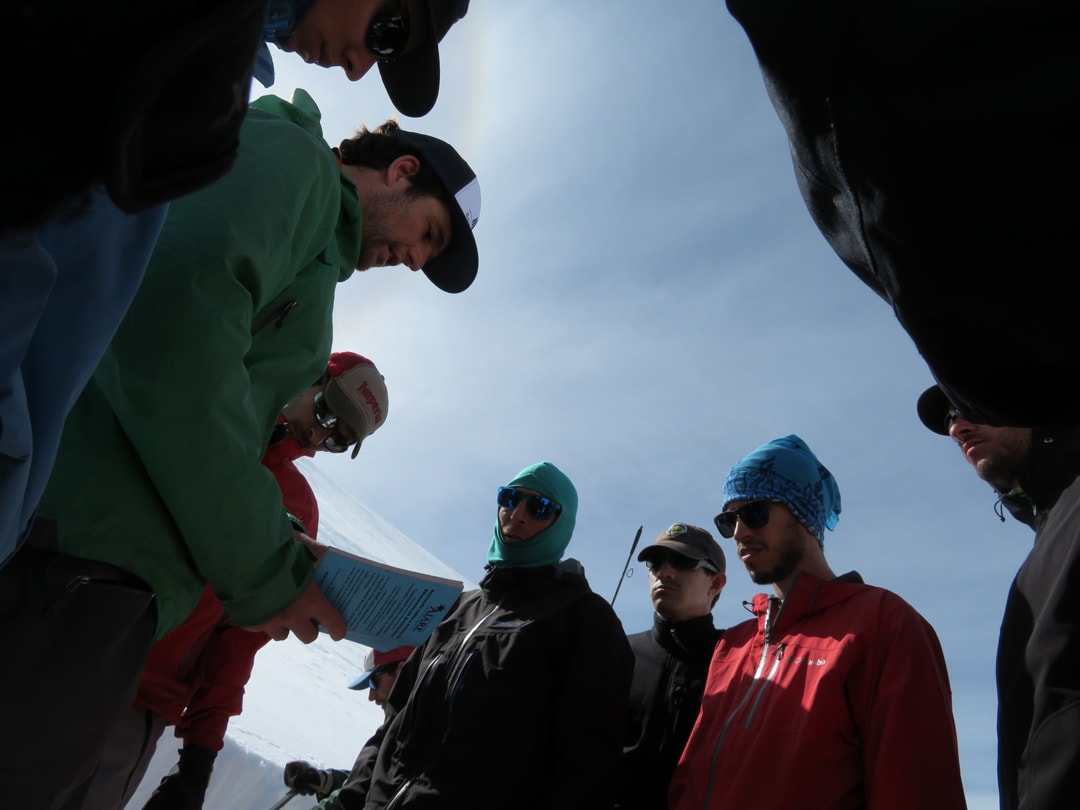
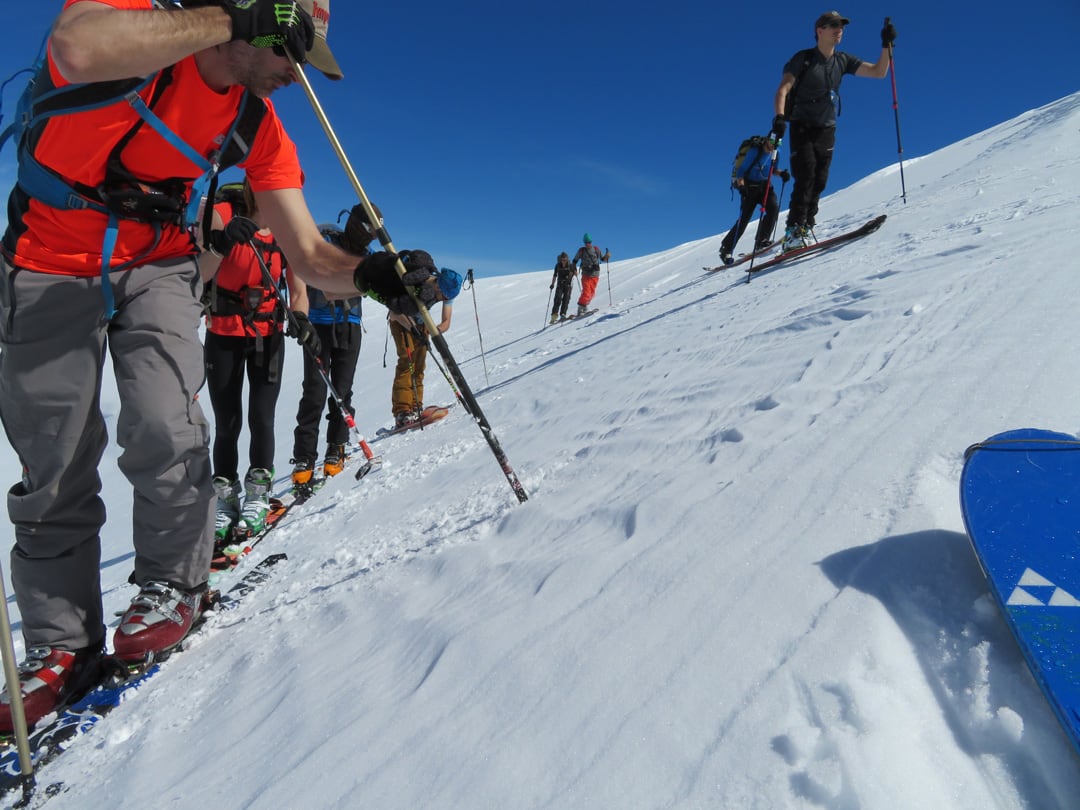


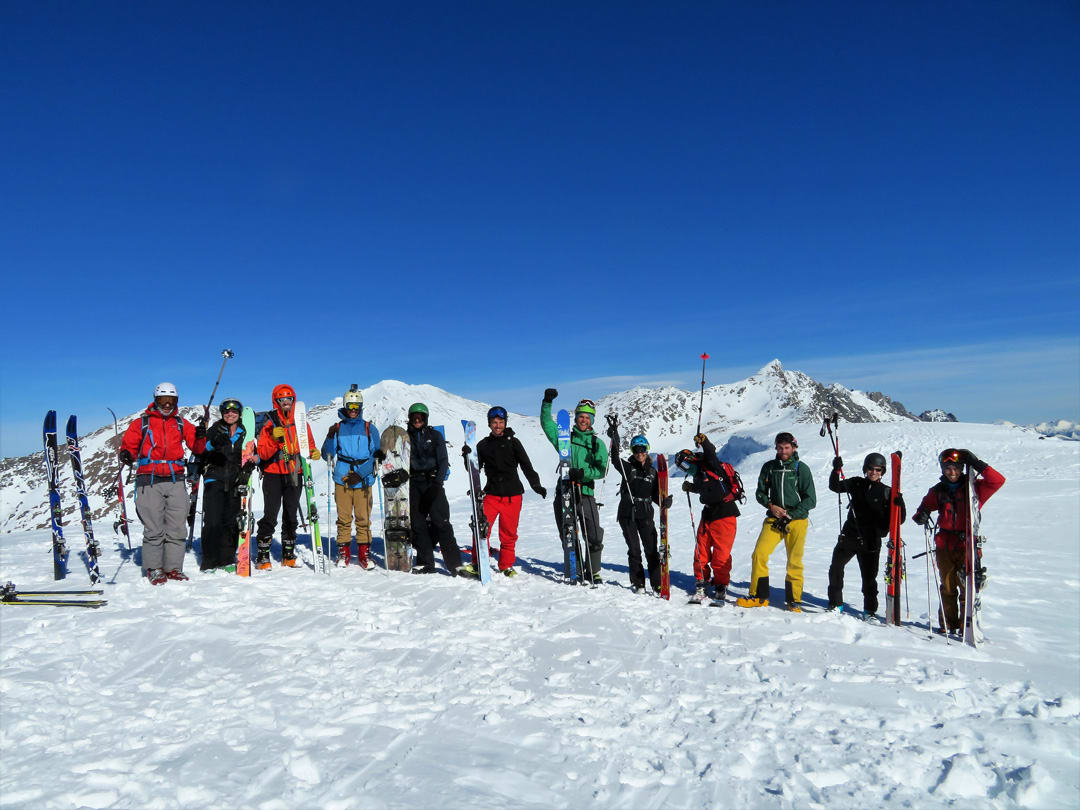






Cerro Lopez
- Duration
- 2 classes + 2 field days
- Difficulty
- ●●○○
- Group size
- 12 of 12 spots
- Price
- USD 450
- Guides and ratio
- 6:1 · max. 12
- Season
- July to September
- Location
- Cerro López, Bariloche
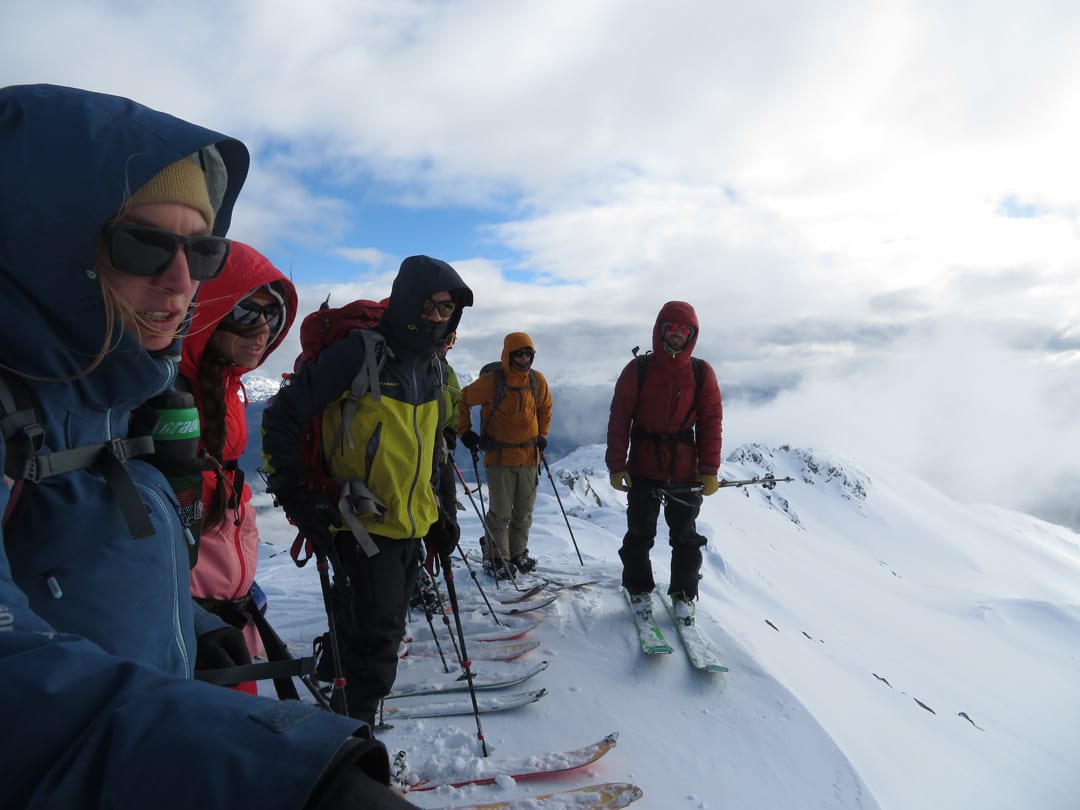
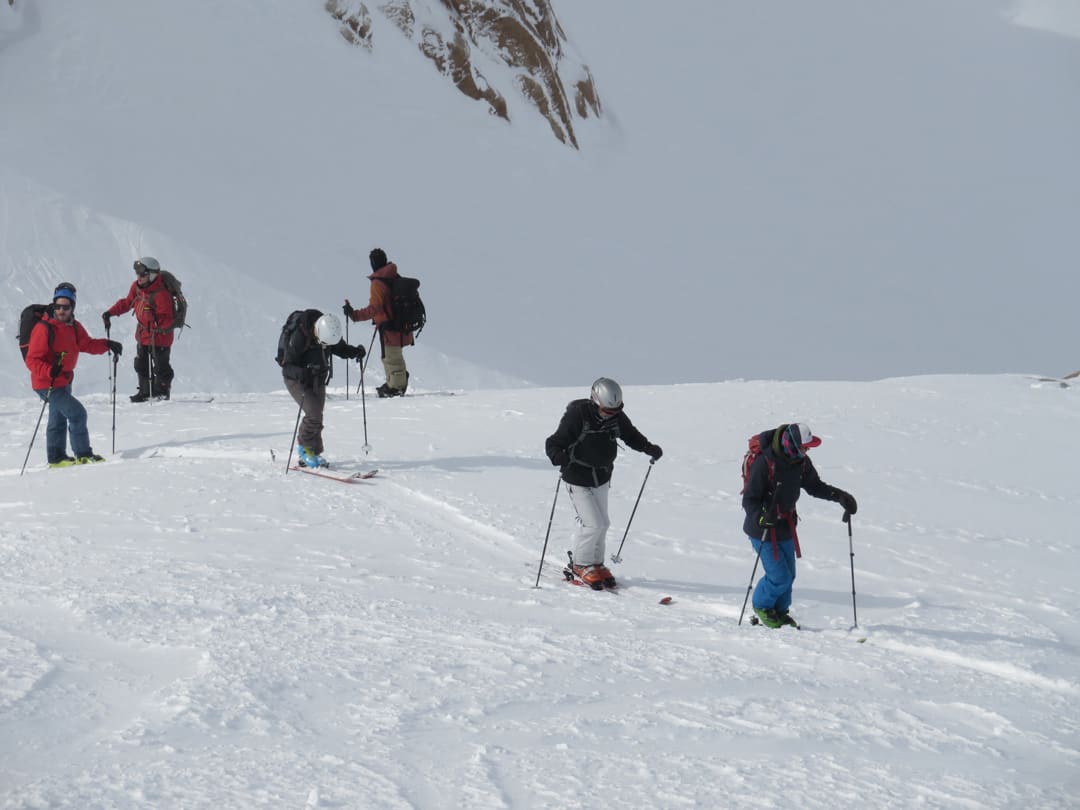
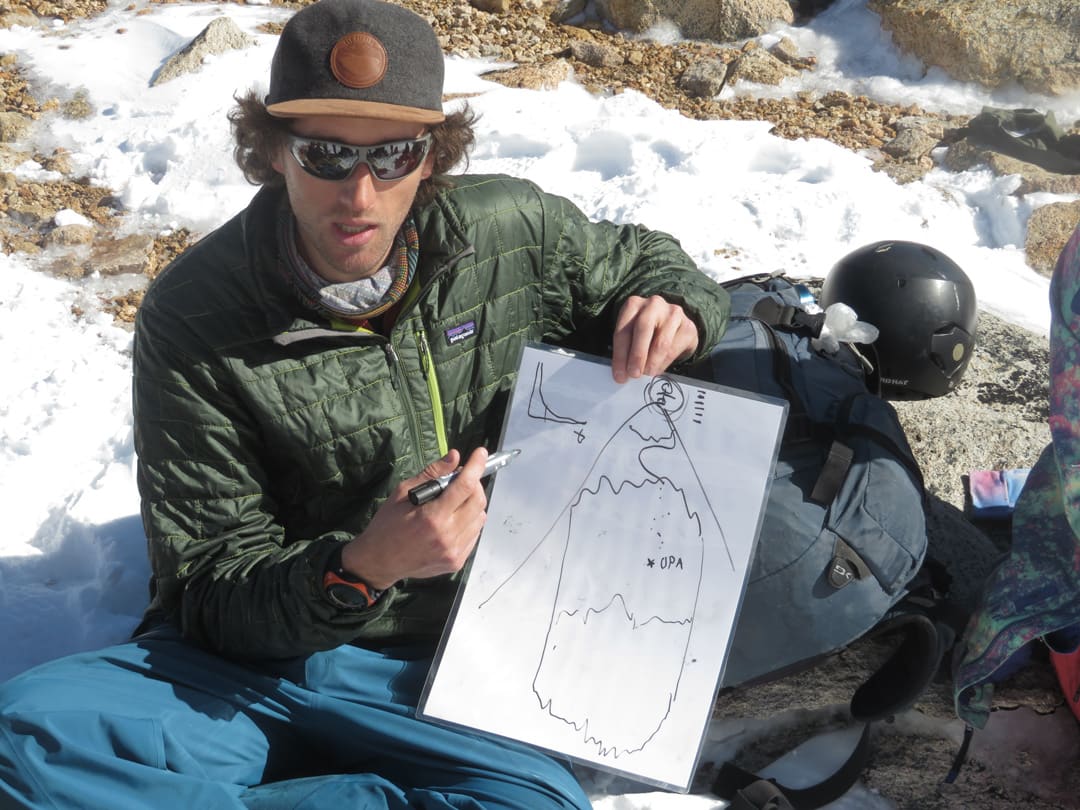
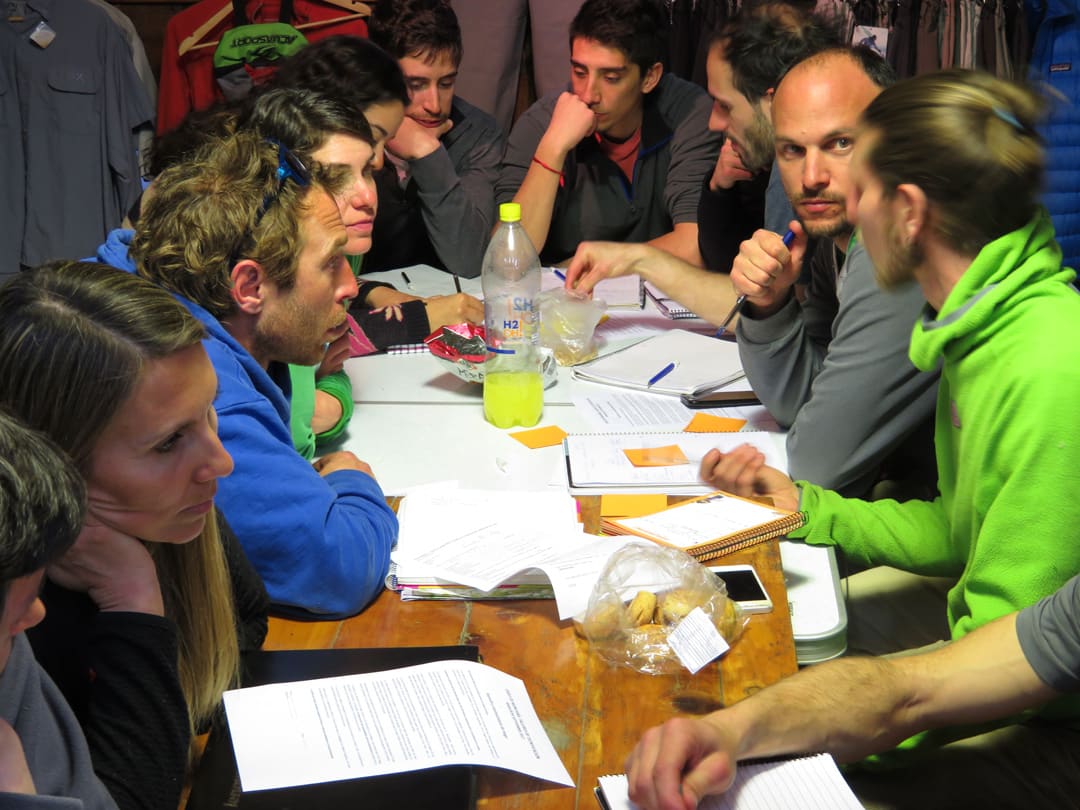
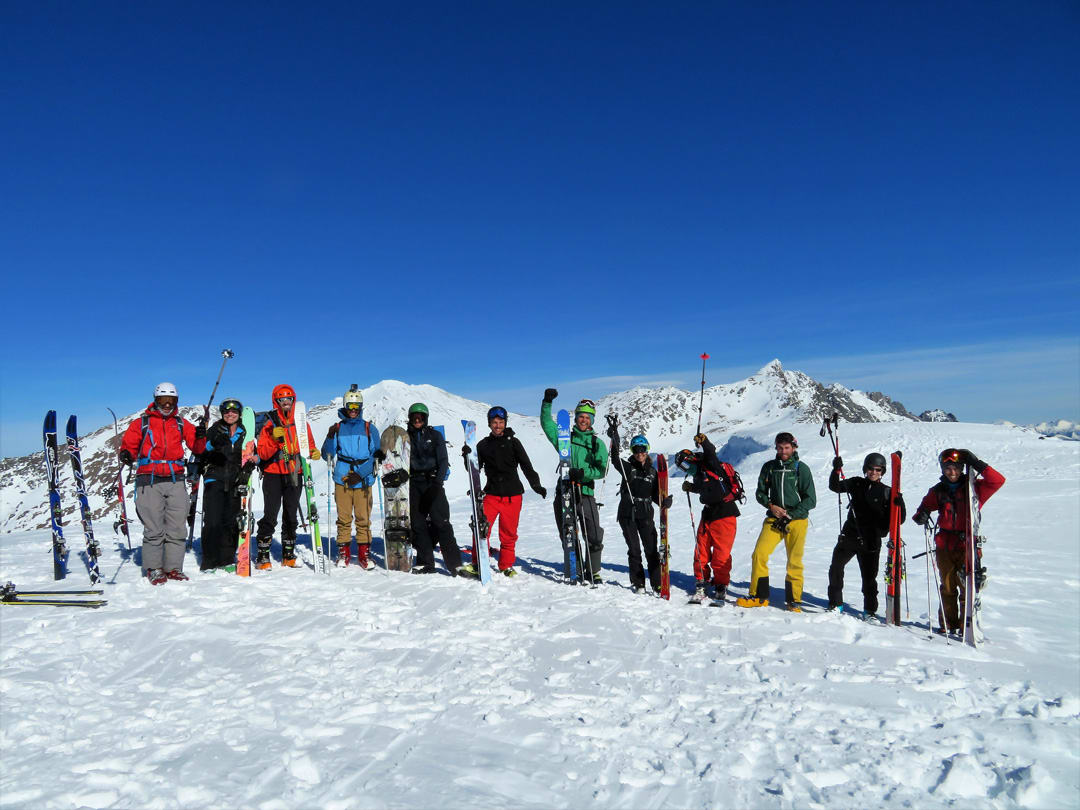
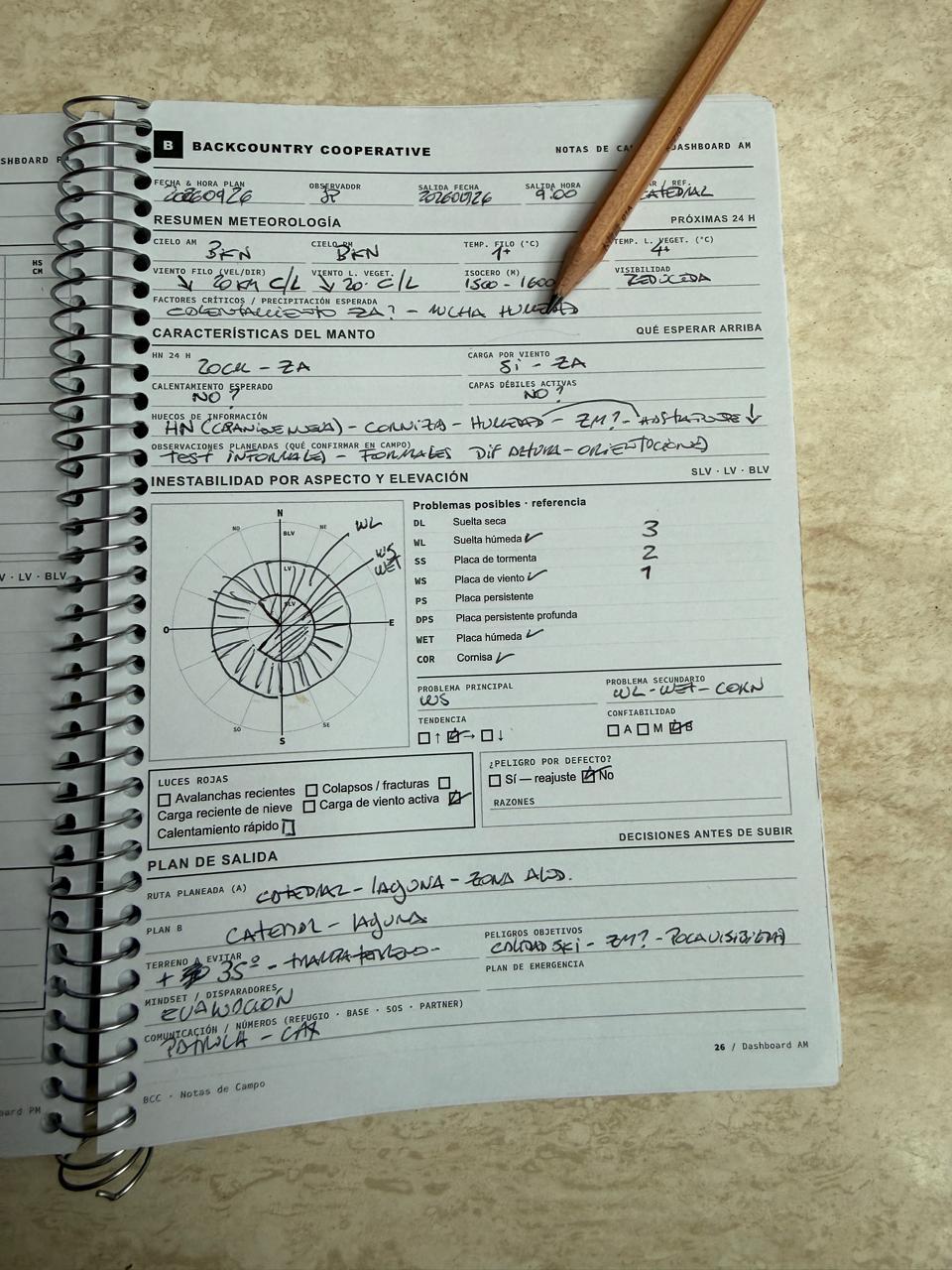
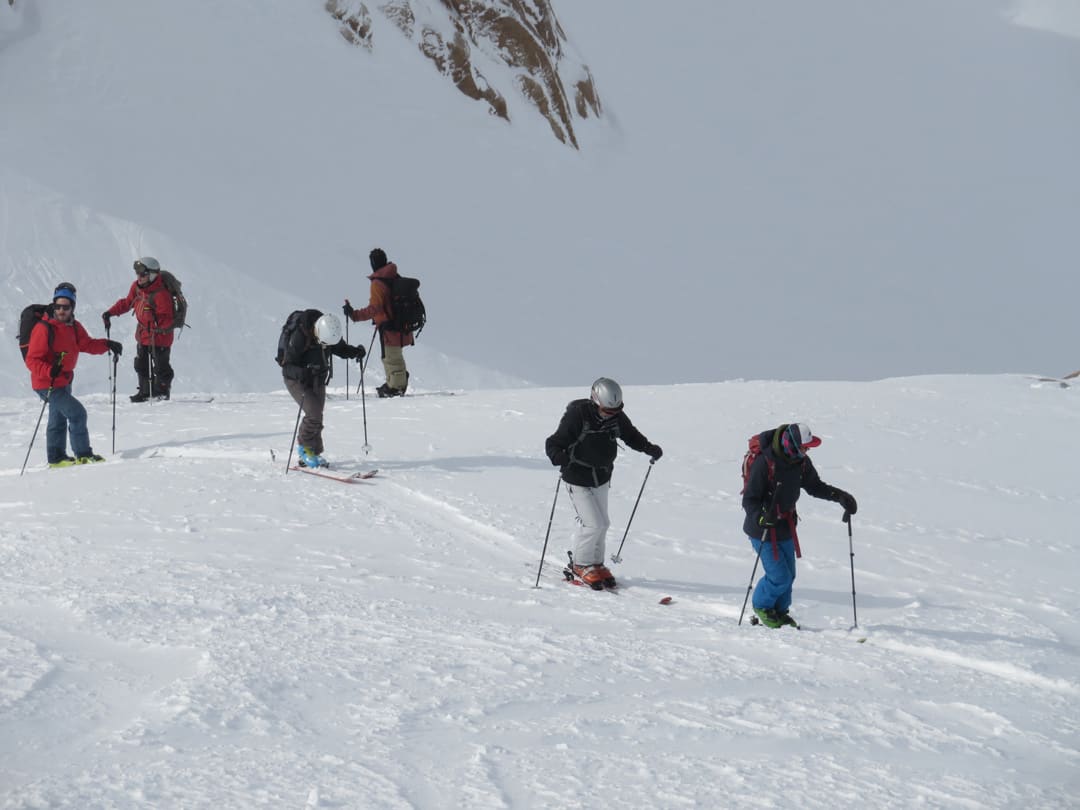
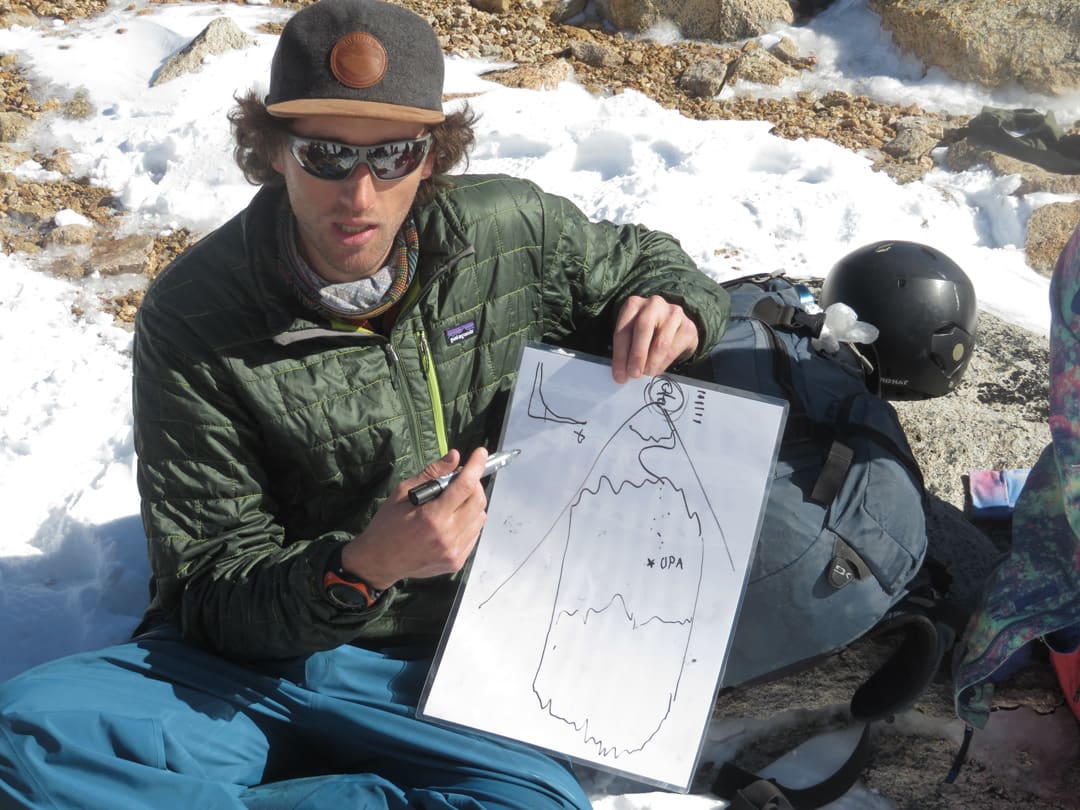
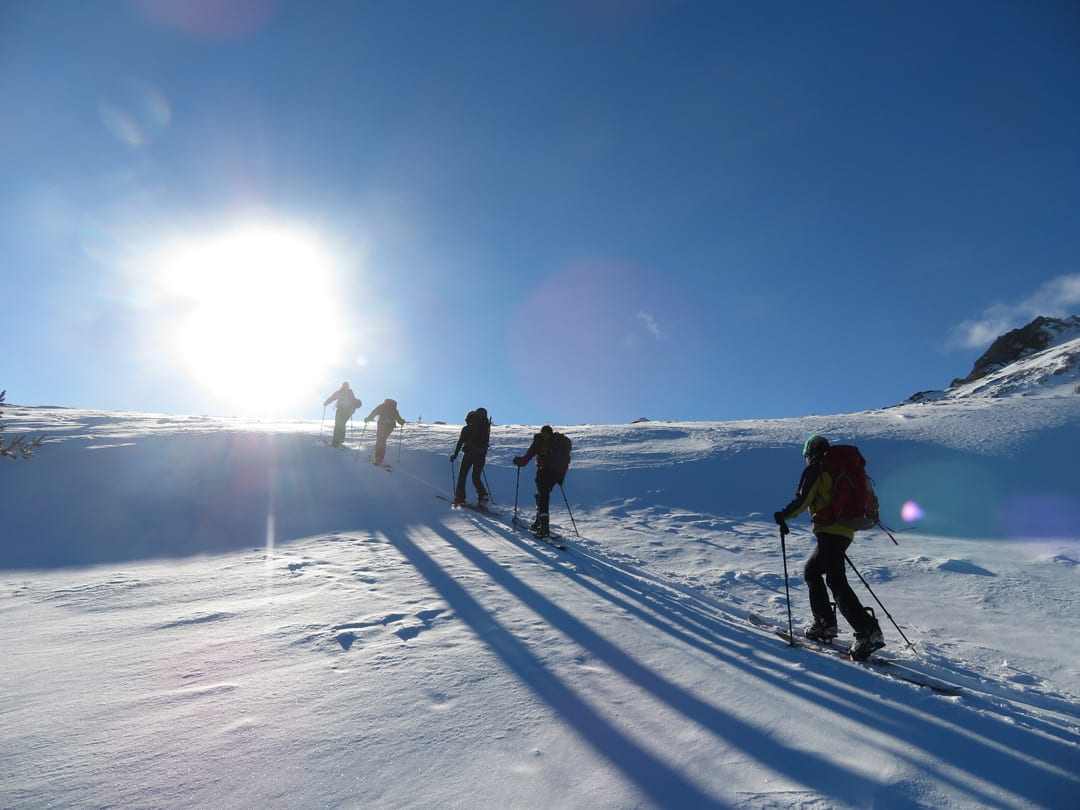
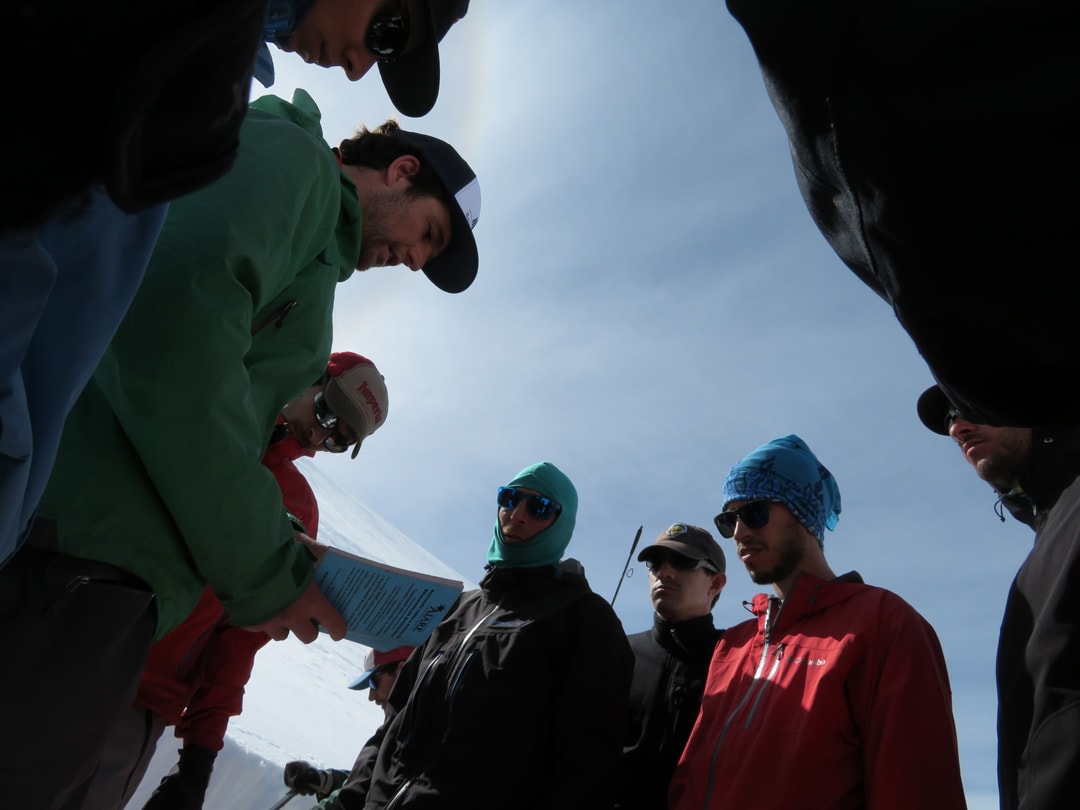
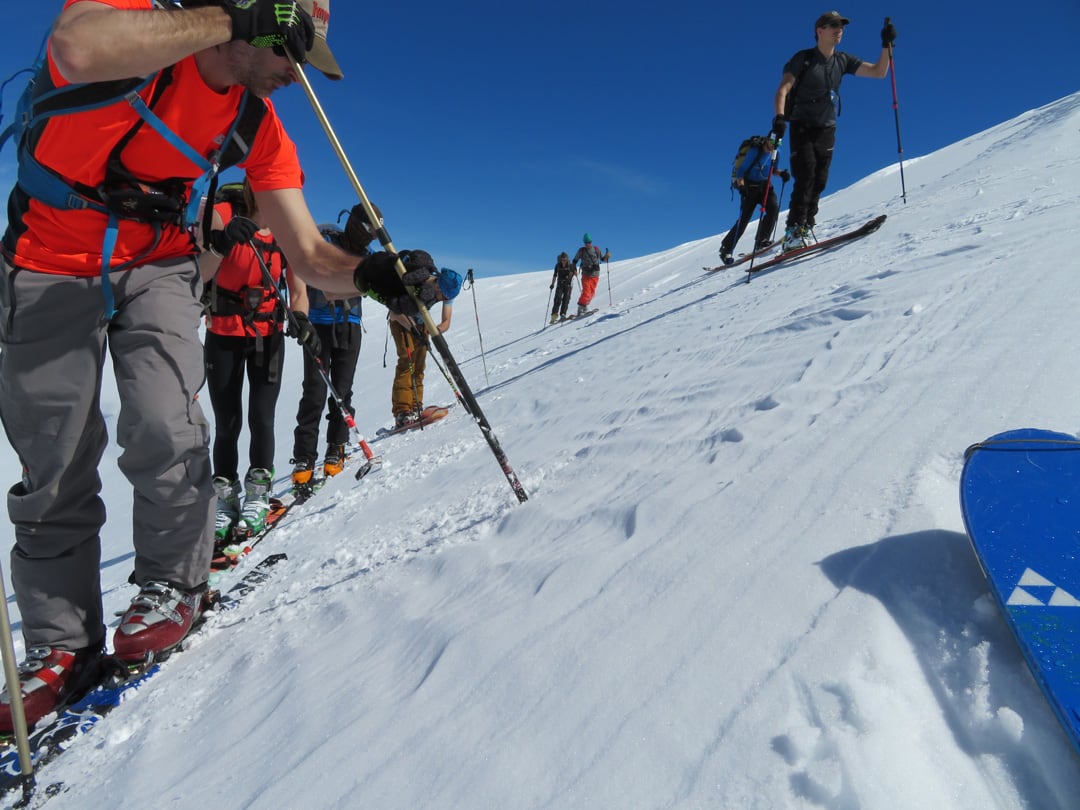
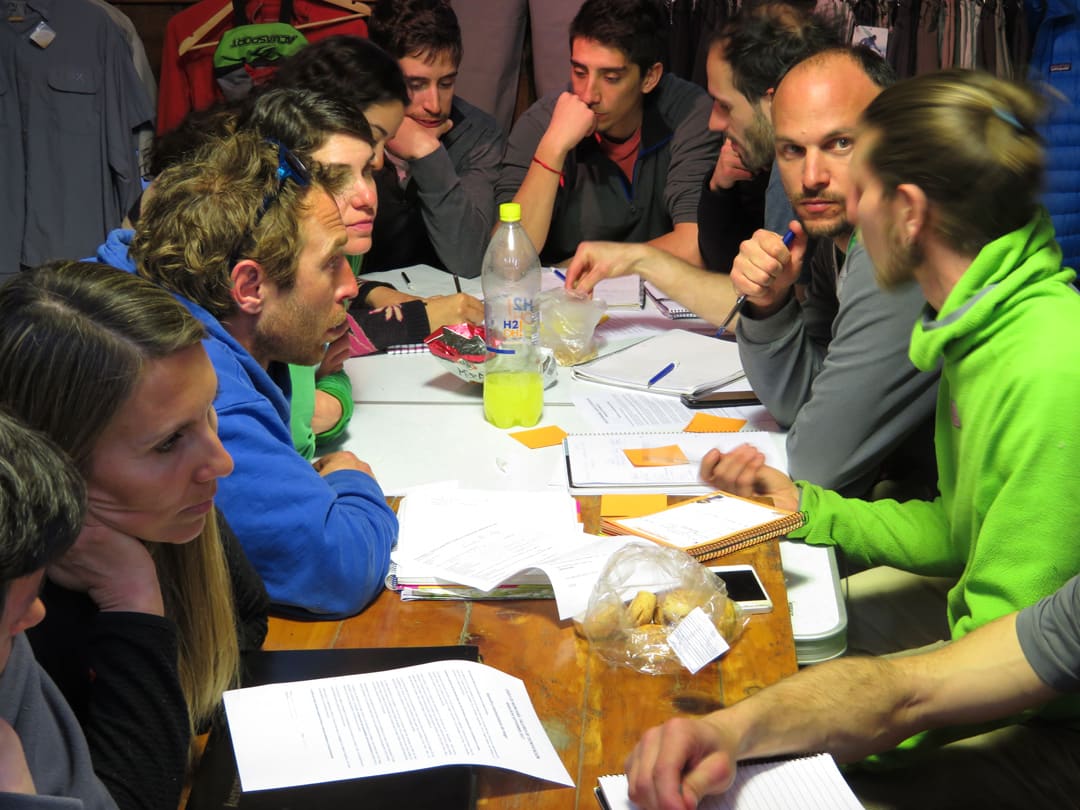
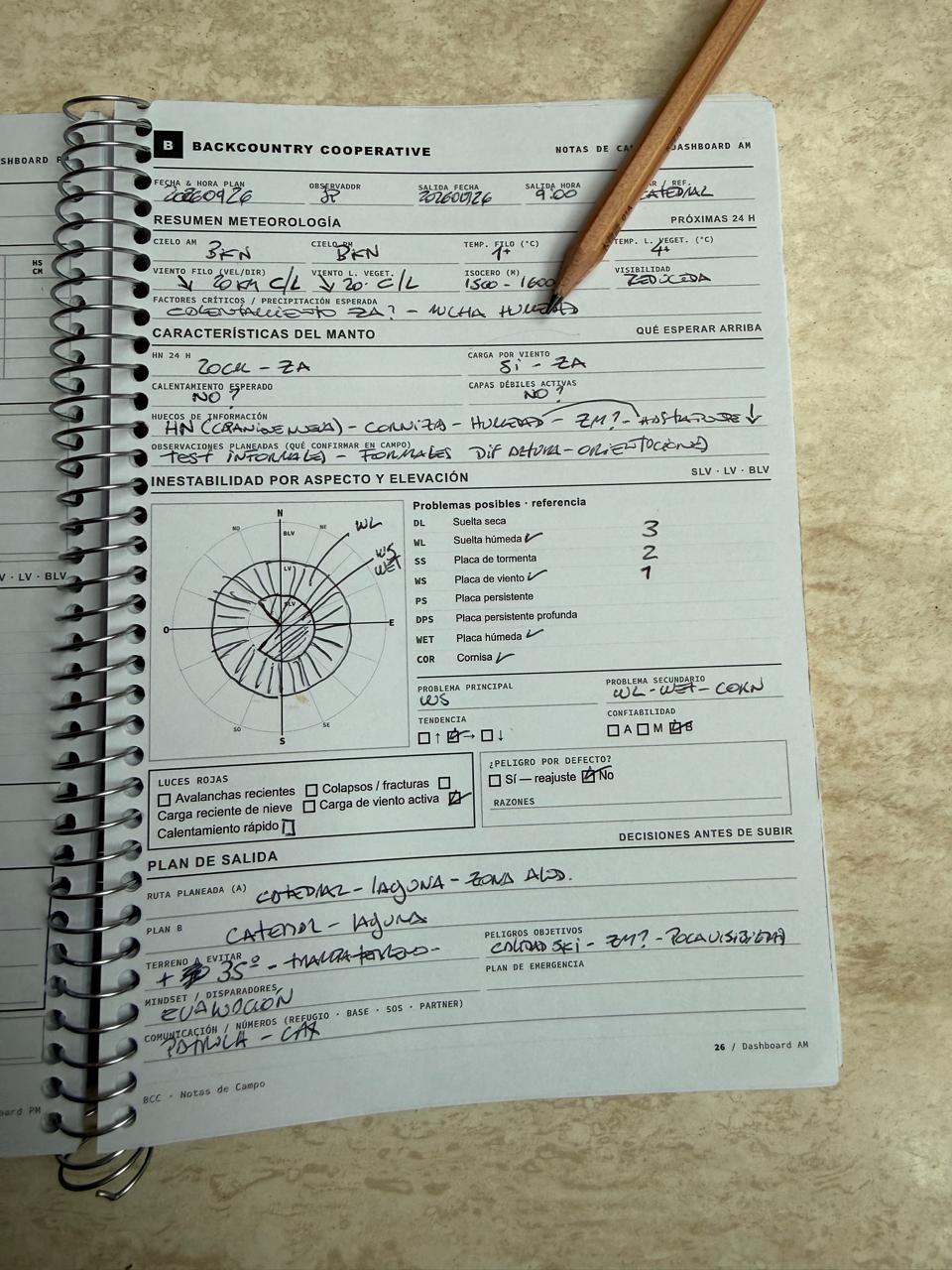
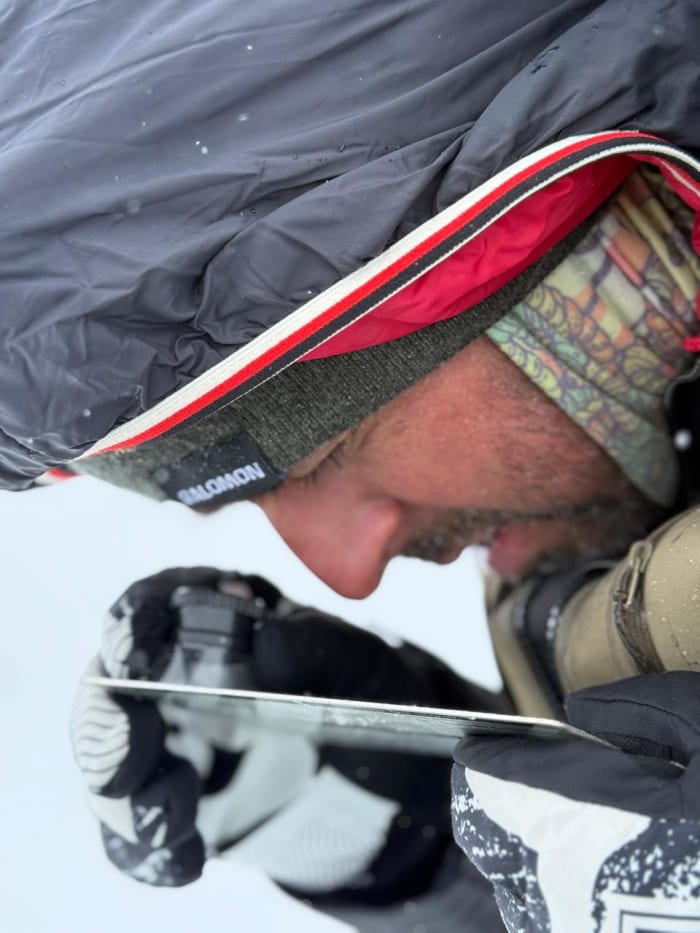
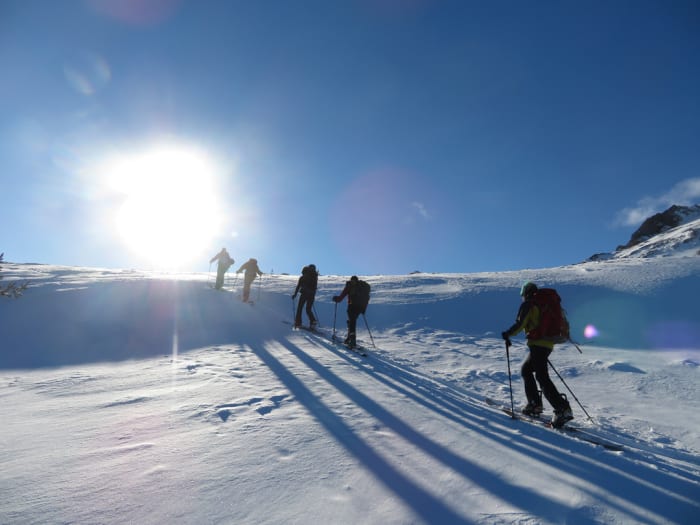
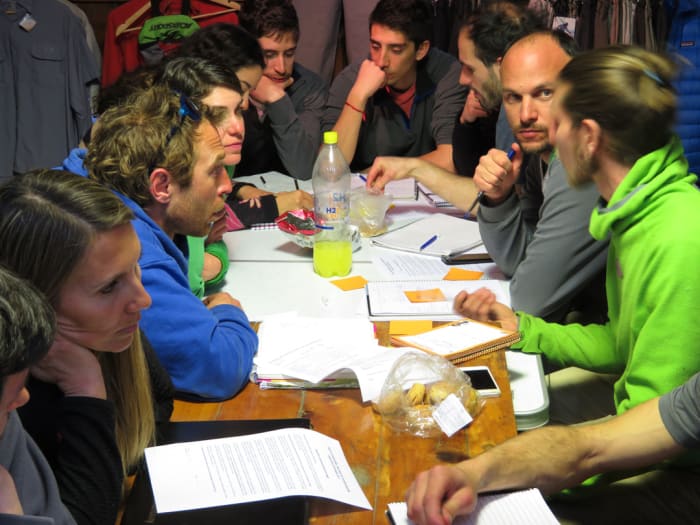
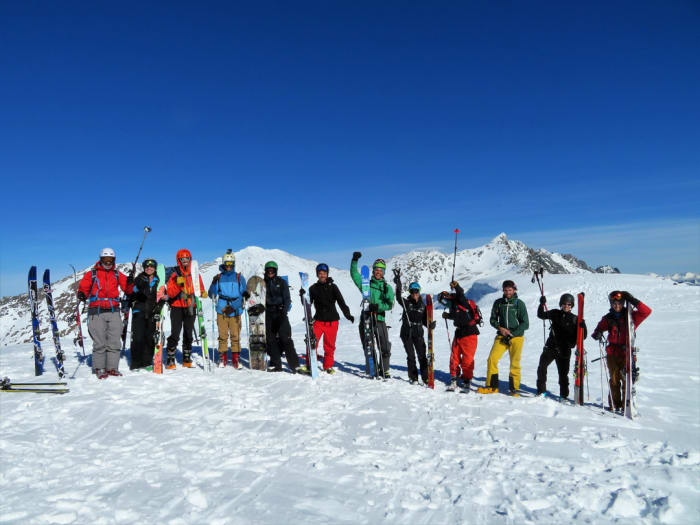
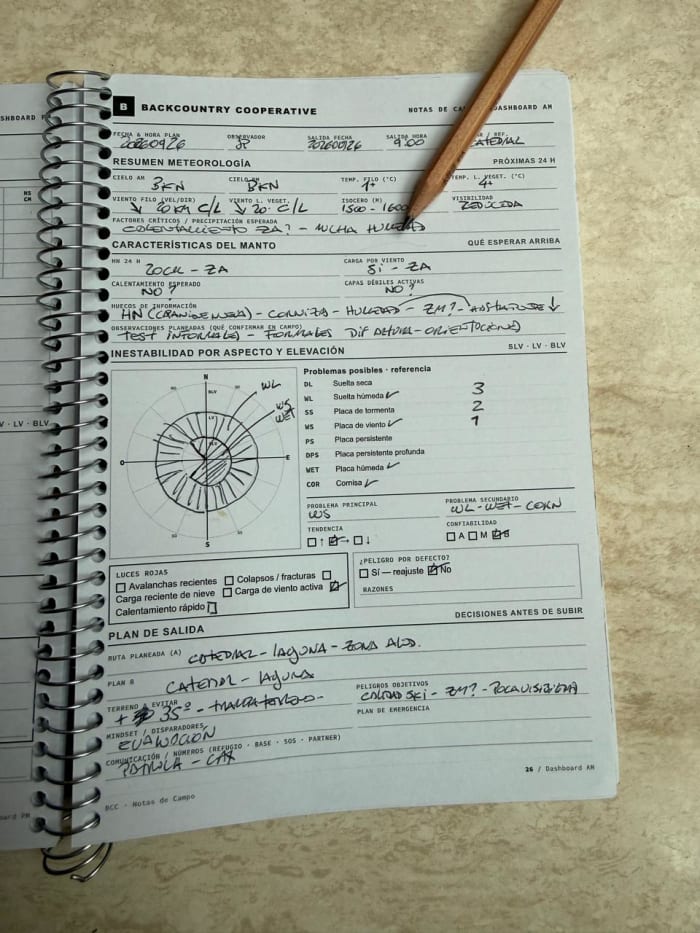
¡Welcome to the BCC Community! We're kicking off a new season of courses and training. Backcountry Cooperative is an A3 (American Avalanche Association) Recognized Provider, and this course follows the official Recreational Level 2 (REC 2) curriculum: when you complete it, you receive the internationally recognized certification. Level 2 is the leap to independence. In Level 1 you learned to read the bulletin and operate under a given hazard rating; in Level 2 you learn to build your own assessment: apply the Conceptual Model of Avalanche Hazard (CMAH), link the season's weather history to snowpack structure, diagnose avalanche problems when there is no bulletin, perform advanced profiles and tests (CT, ECT, PST, DTT) with consistent record keeping, and manage complex terrain (ATES) while leading the group's decisions. The methodology is a flipped classroom: a pre-course in the BCC virtual classroom (notes, videos and short quizzes), two in-person classes devoted to building assessments from real cases and data, and two intensive field days on Cerro López — with an overnight at Refugio López — for full application, with students leading the assessment, the itinerary and the debrief; the instructor accompanies, asks questions and gives feedback. All participants receive the BCC L2 Manual and the Field Notebook. If you'd like to know more about the course format and content, tap the “itinerary” tab.
Includes
- AAGM/IFMGA ski mountaineering guide and avalanche instructors.
- REC 2 certification (A3).
- Access to the BCC virtual classroom.
- BCC L2 Manual and study materials.
- Field notebook.
- Satellite communication service.
- Personal accident insurance.
Not included
- Lodging and transfers in Bariloche.
- Meals and lodging during the field days.
- Safety equipment.
- Ski touring or splitboard equipment.
- Any item not specified in the program.
Requirements
- Completed BCC Level 1 or REC 1 certification + Avalanche Rescue from an A3 Recognized Provider (proof will be requested).
- Solid off-piste skills, command of touring equipment, and the fitness for full consecutive winter days.
Itinerary
-
Pre-course — Classroom
Review of Level 1 concepts and advanced content on weather, snowpack formation and metamorphism, avalanche problems, weak layers and terrain assessment.
-
In-person Day 1 — Assessment and Planning
Avalanche mechanics, structural problems, danger scale, CMAH, Dangerator, data analysis and advanced planning with maps, travel times and ATES 2.0.
-
Day 2In-person Day 2 — Snowpack and Preparation
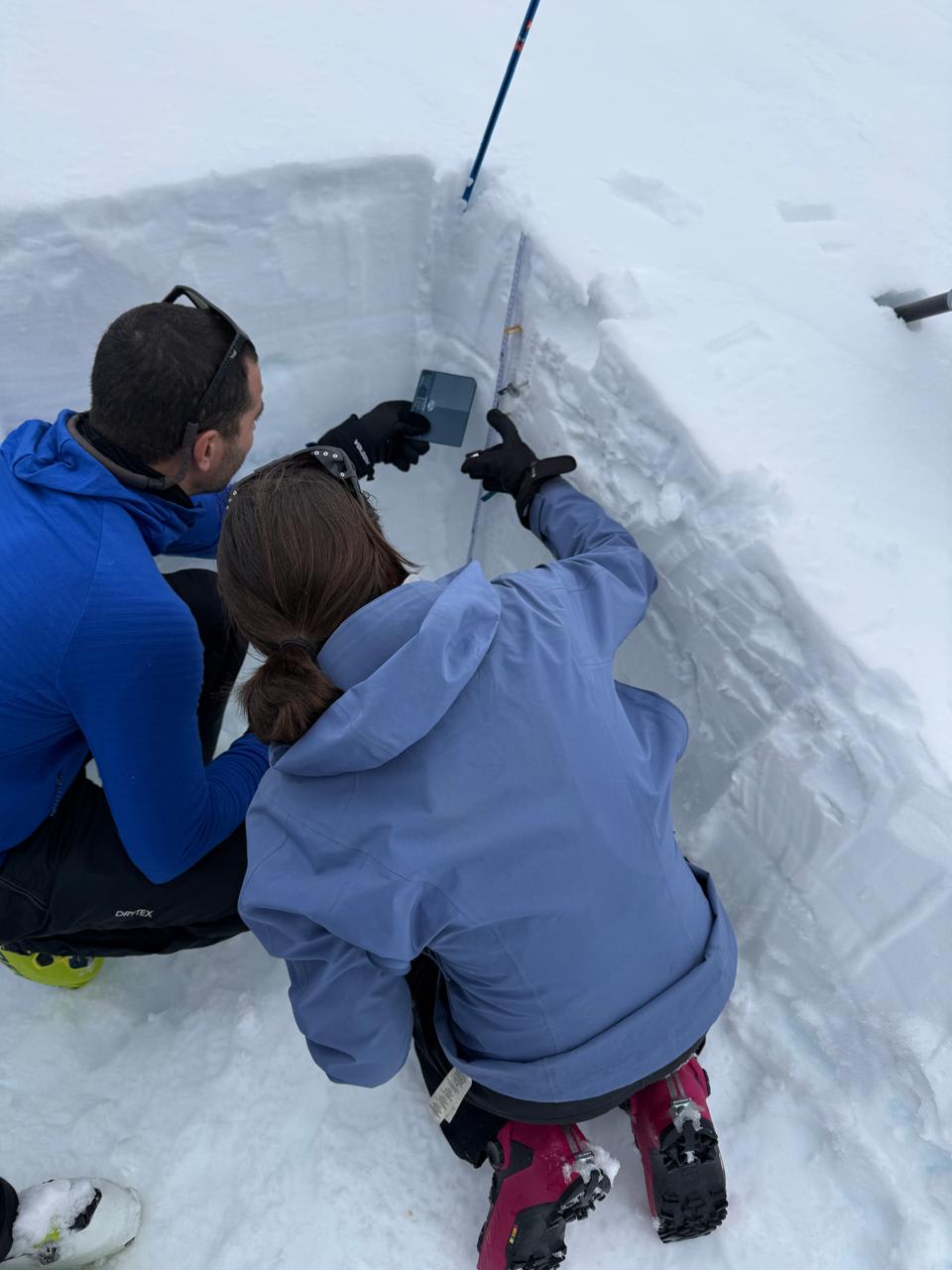
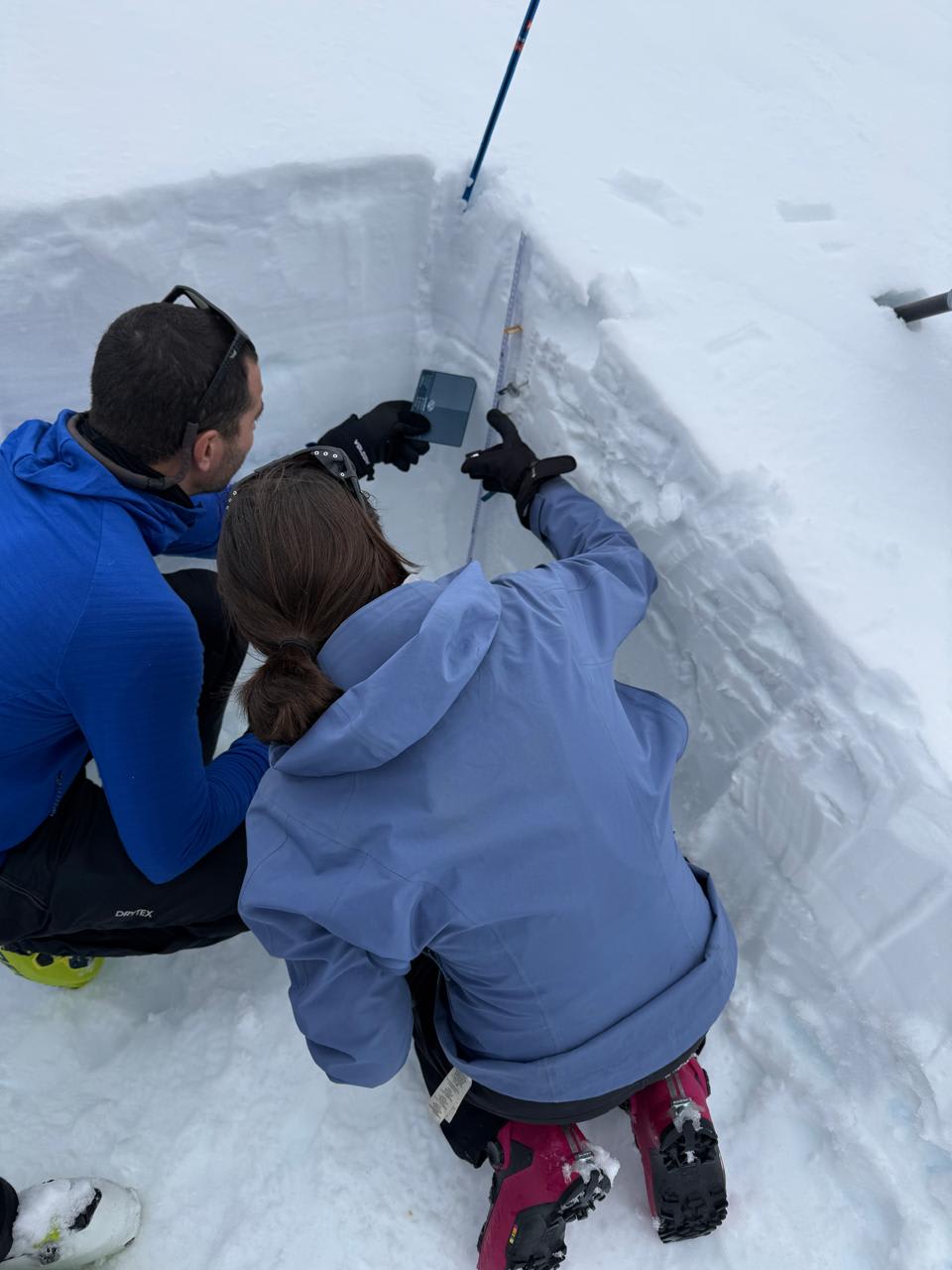
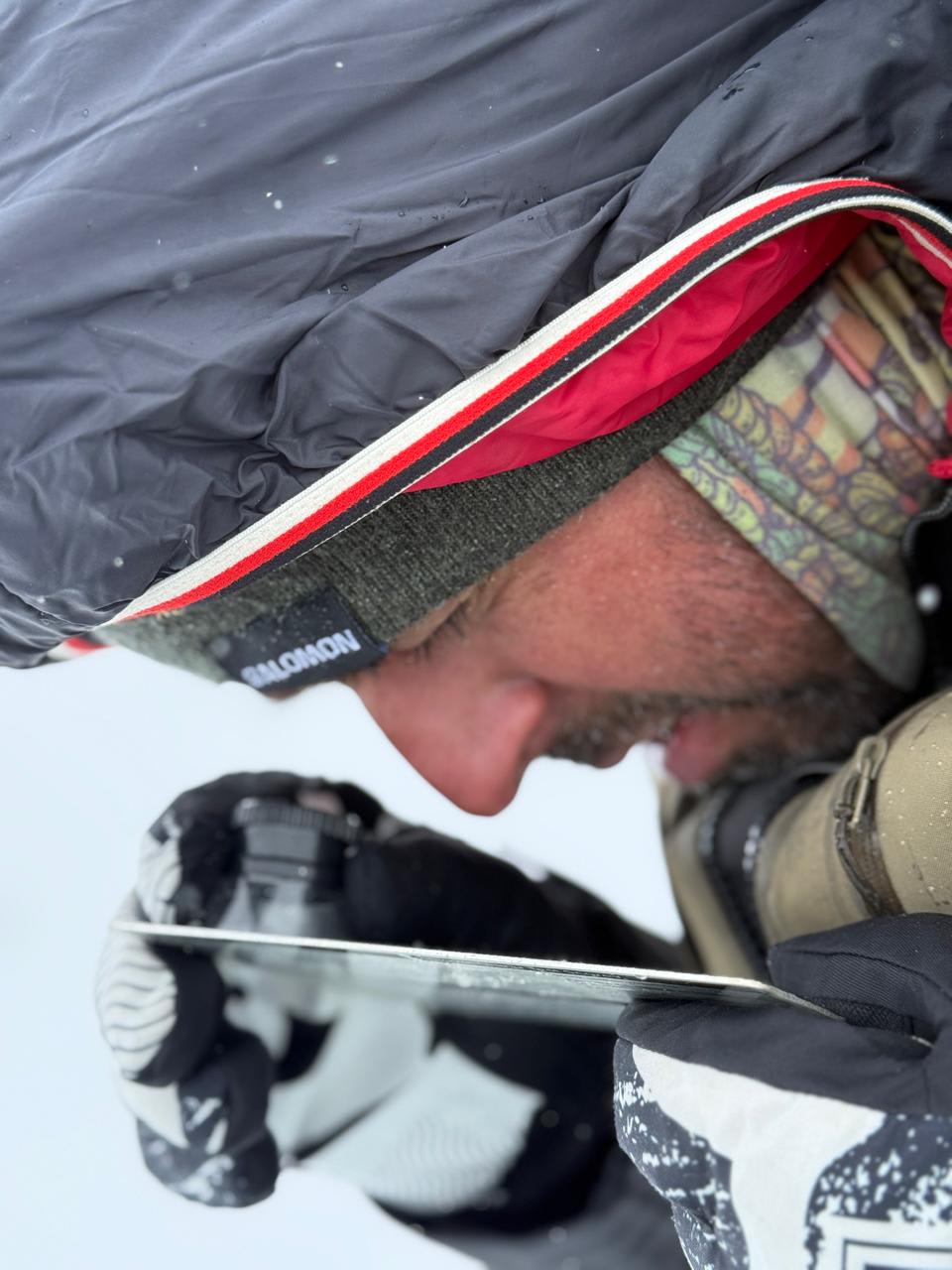
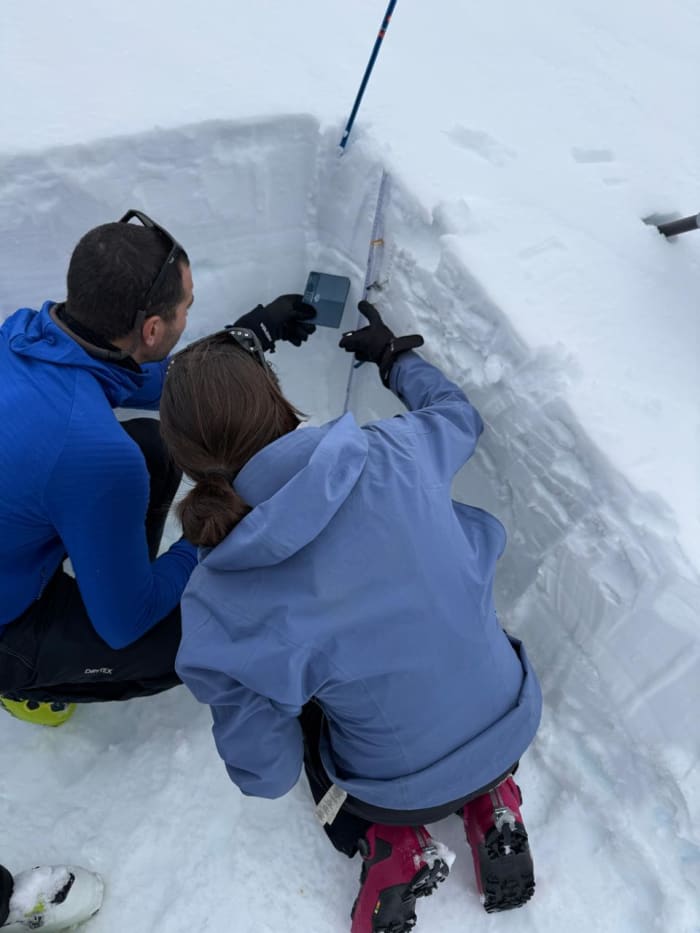
Snowpack assessment, profiles and advanced tests (CT, ECT, PST and DTT), spatial variability, data recording, human factors and terrain planning.
-
Day 3Field Day 1 — Applied Assessment
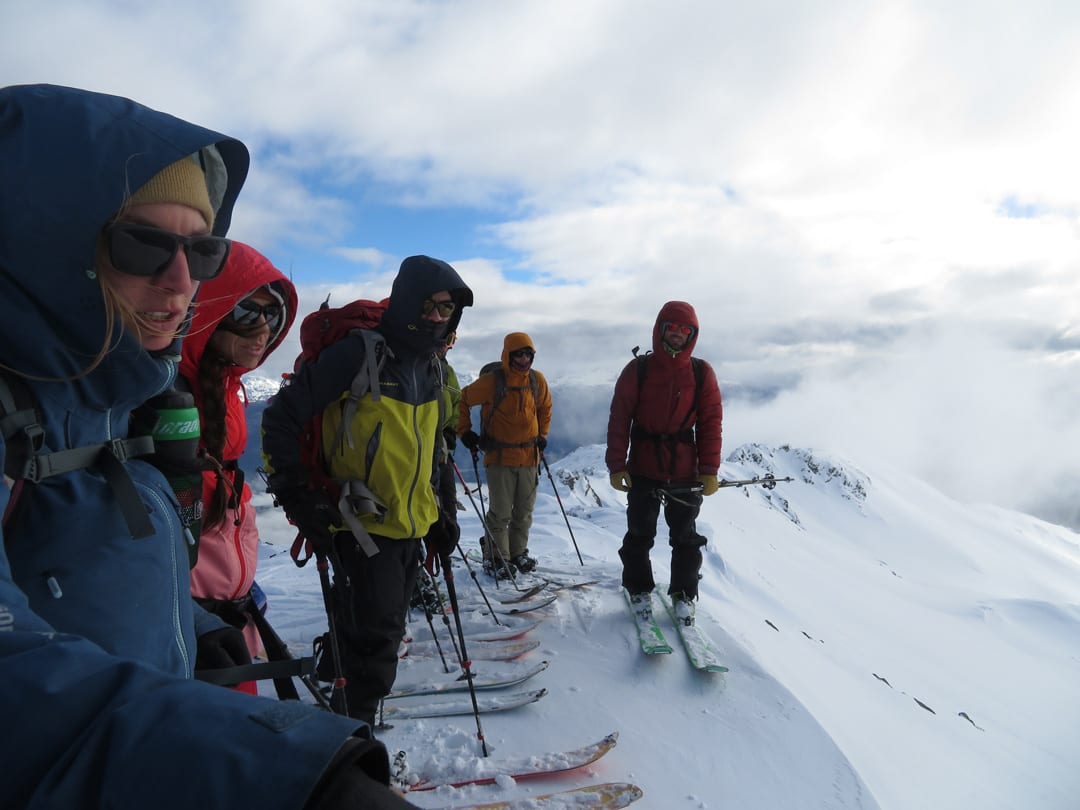
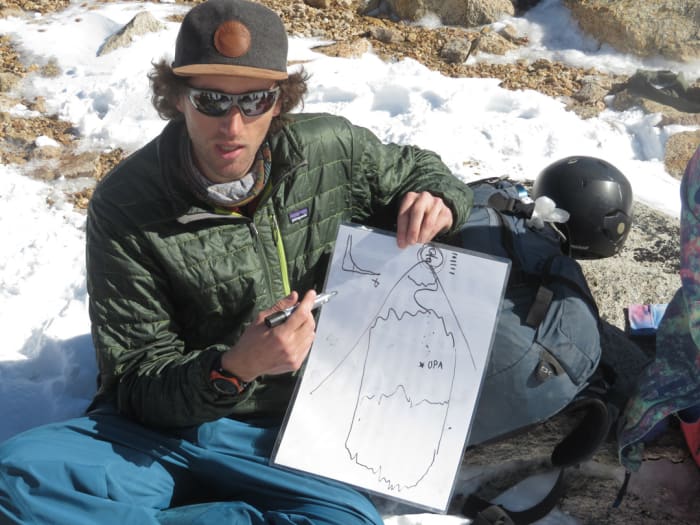
Briefing, hazard assessment, terrain observation, profiles and tests, navigation, exposure management and reassessment throughout the day.
-
Day 4Field Day 2 — Complex Terrain and Leadership
Independent hazard assessment, participant leadership, ATES 2.0 terrain, comparing your own assessment with the bulletin, and final debrief
Frequently Asked Questions
Can I rent equipment?
Yes: skis/skins/bindings, splitboard, safety kit (shovel, beacon and probe). Ask us about prices and availability. Ask us about prices and availability.
What specific gear do I need?
Ski touring boots/snowboard boots in good condition. Poles. Beacon with fresh batteries (battery >60%), SHOVEL AND PROBE (Mandatory) Helmet (Mandatory) Ice axe and crampons. Goggles Gloves (two pairs) Sunglasses / Sunscreen (SPF 50+) Layered clothing: Thermal base layer (legs and torso) 100/200 weight fleece Waterproof jacket Down jacket Waterproof pants Ski socks Extra change of clothes (T-shirt, base layer, gloves, socks, underwear) Beanie and sun cap Buff Overnight and other: Sleeping bag (check according to hut) Headlamp with batteries Hydration pack Water bottle, 1 liter minimum Thermos Personal first aid kit Cash (hut) and ID documents Notepad and pencil Camera
What topics are covered during the course?
The course goes in depth on avalanche hazard assessment, snowpack analysis, meteorology, structural problems, stability tests, spatial variability, planning, ATES 2.0, human factors, leadership and decision-making.
Which instability tests are practiced?
We work with formal tests such as CT, ECT, PST and DTT, including methodology, interpretation, quality of the cut and fracture character, as well as observations and informal tests while traveling.
What is the CMAH?
We work with the Conceptual Model of Avalanche Hazard (CMAH) as a tool to integrate weather, snowpack and terrain information and build a hazard assessment.
Do students lead the outings?
Yes. Leadership is a central part of REC 2. Participants give the briefings, make decisions, plan itineraries, manage exposure and lead the debriefs, always under instructor supervision.
What level of terrain is covered?
During the field days, you progressively work in more complex terrain, including ATES 2.0 concepts, cross-loading exposure, decision points, safety margins and bail-out points.
Sign up
Book your spot with no payment. We'll confirm by email or WhatsApp.