

Ski Touring & Splitboard Course Level 1
Training · REC 1 + Avalanche Rescue (A3)



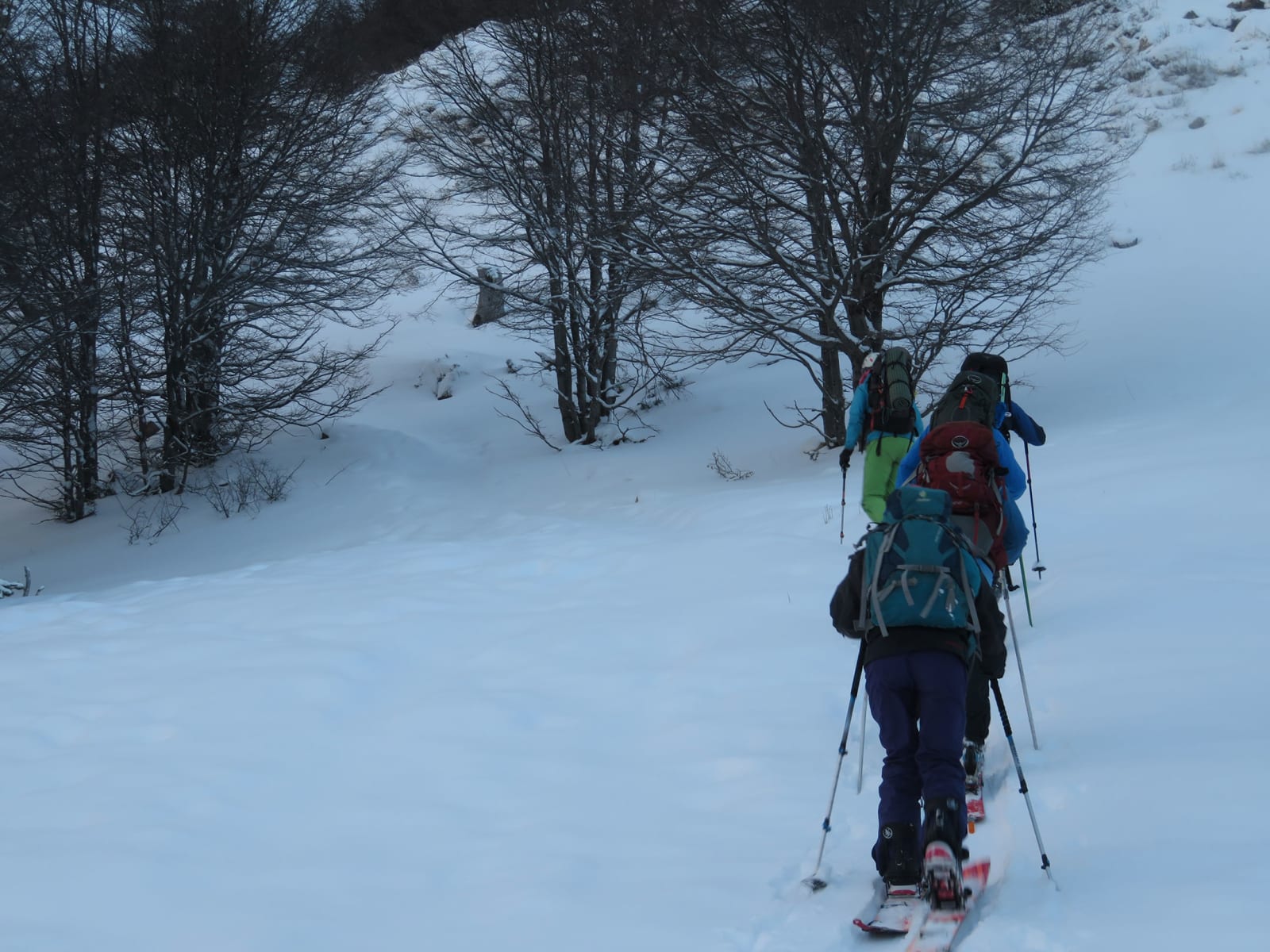
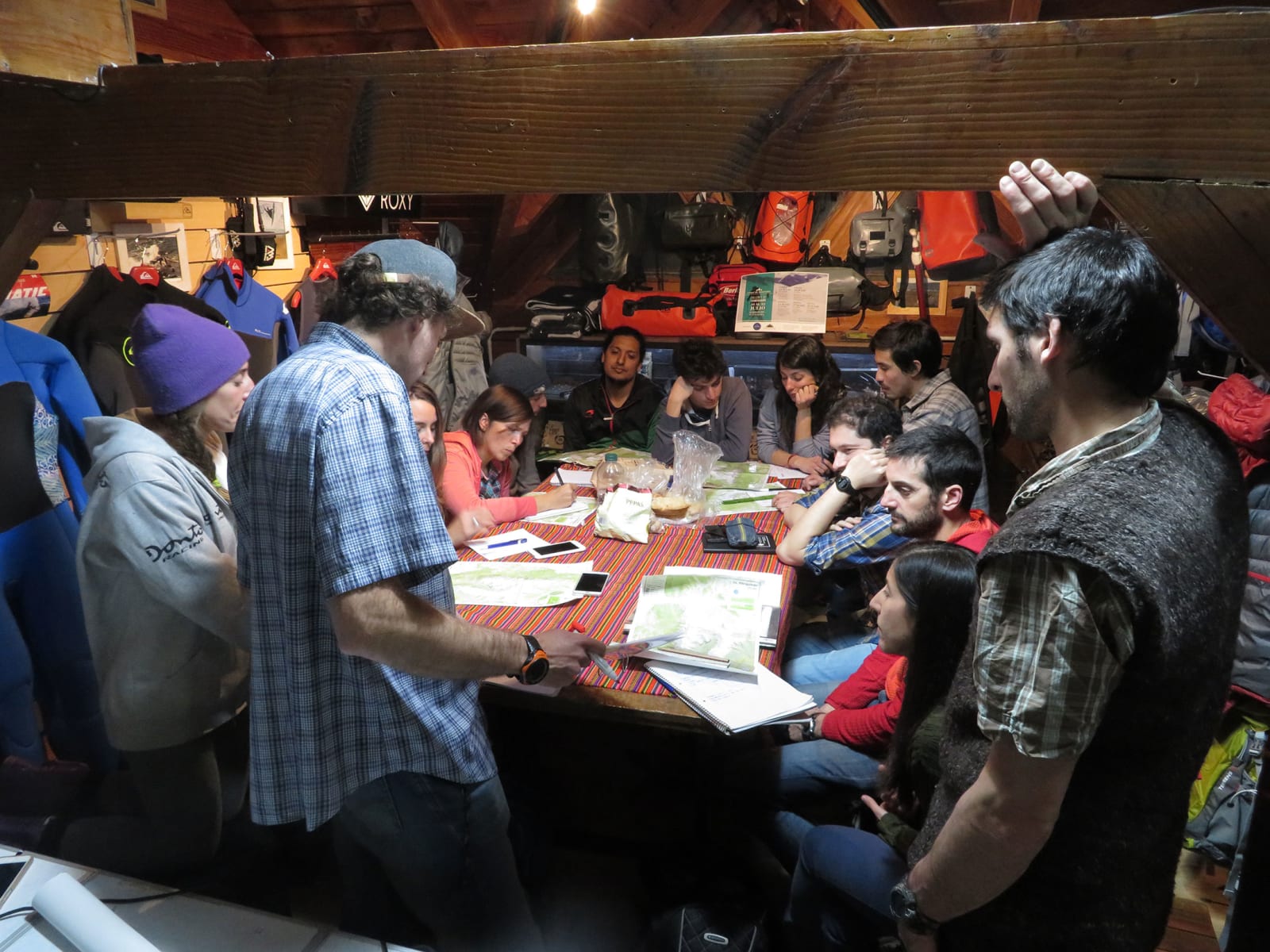
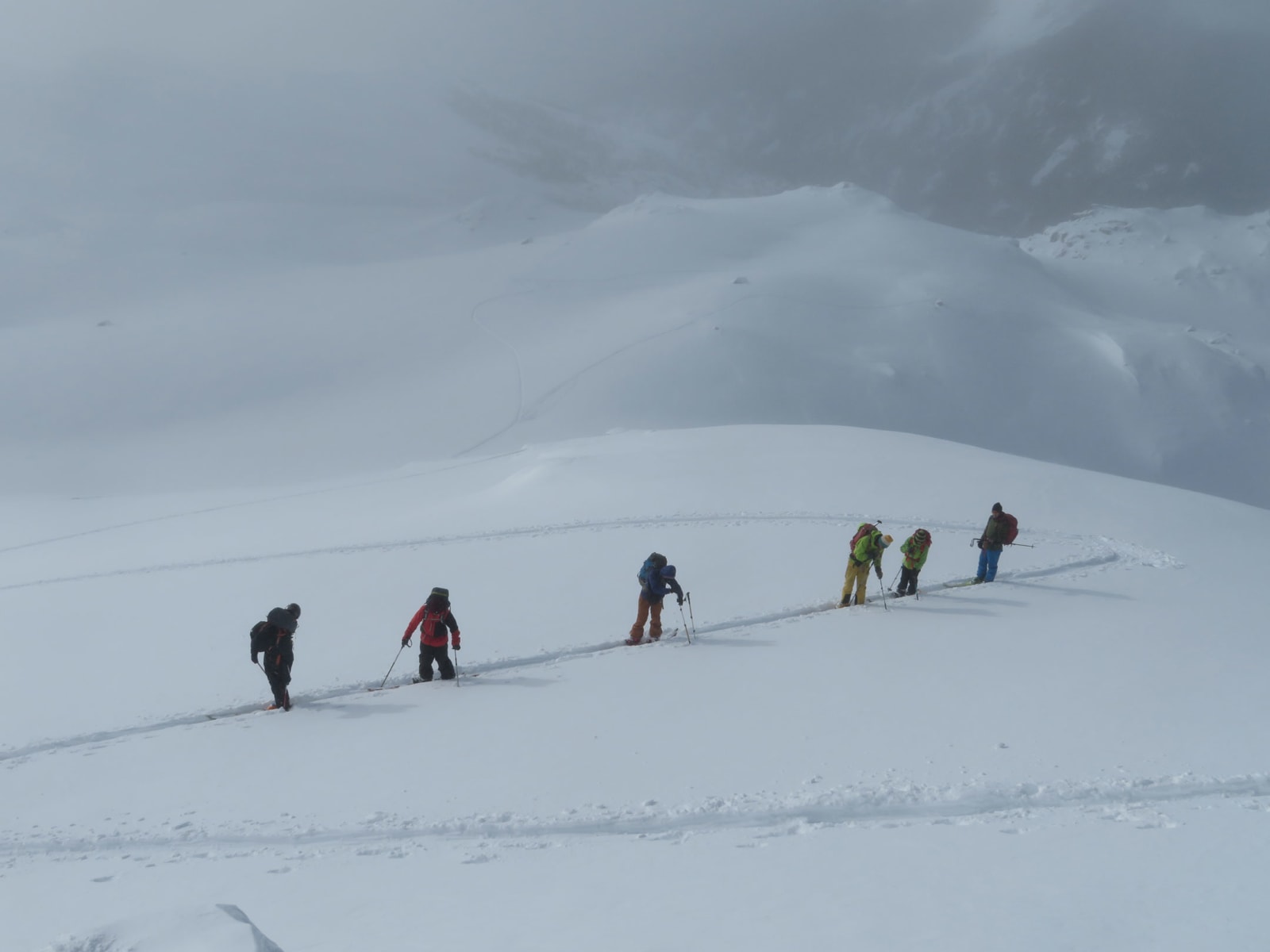

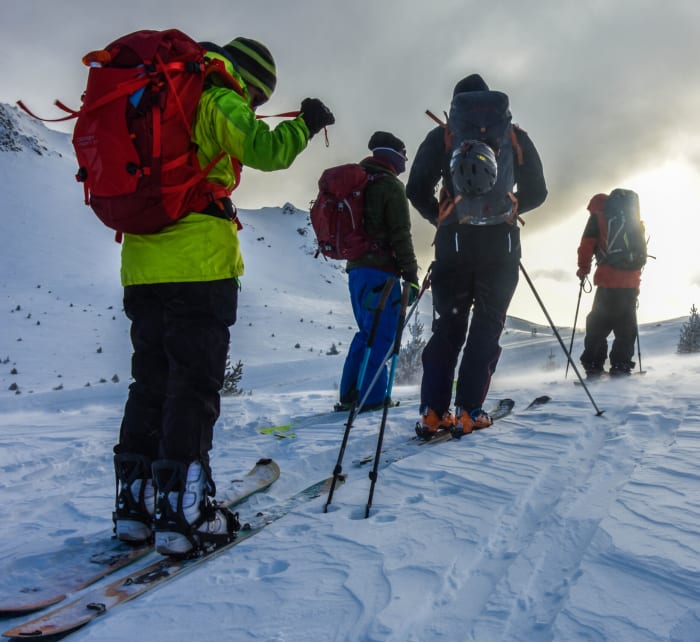






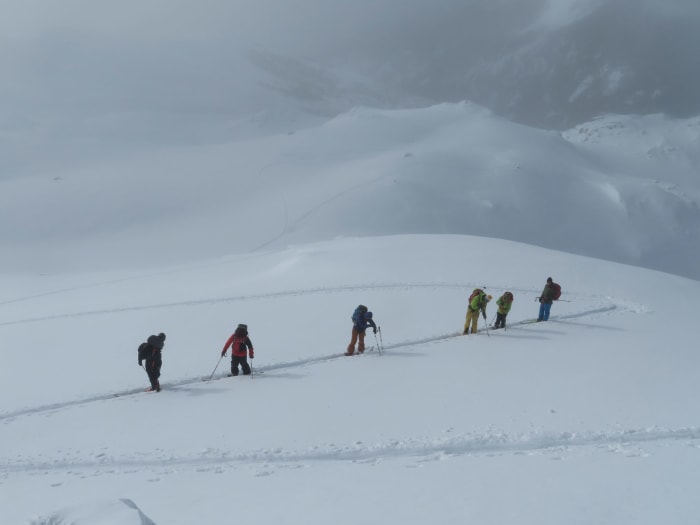
Training · REC 1 + Avalanche Rescue (A3)
- Duration
- 3 classes + 3 field days
- Difficulty
- ●○○○
- Group size
- 12 of 12 spots
- Price
- USD 500
- Guides and ratio
- 6:1 · max. 12
- Season
- July to September
- Location
- Bariloche · field days at Refugio Piltriquitrón (El Bolsón)
¡Welcome to the BCC Community! We're kicking off a new season of courses and trainings. Backcountry Cooperative is a Recognized Provider of the A3 (American Avalanche Association), and this course combines the official Recreational Level 1 (REC 1) + Avalanche Rescue curricula: when you complete it, you receive both certifications, recognized internationally.
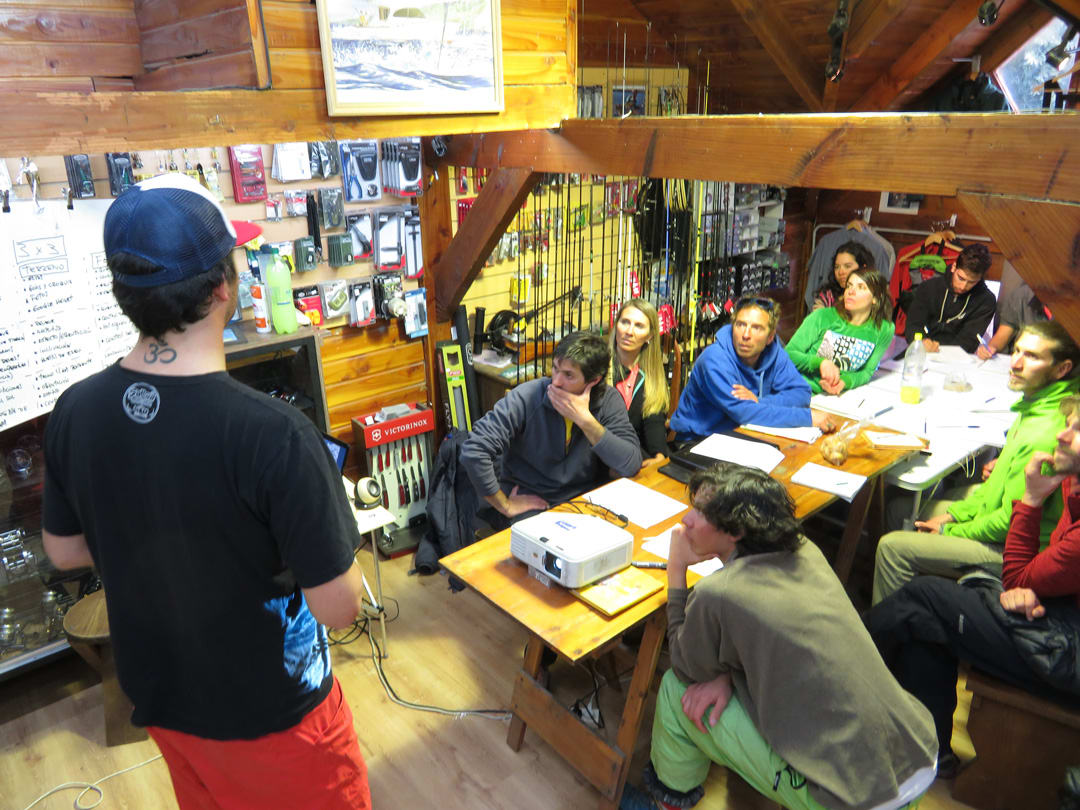
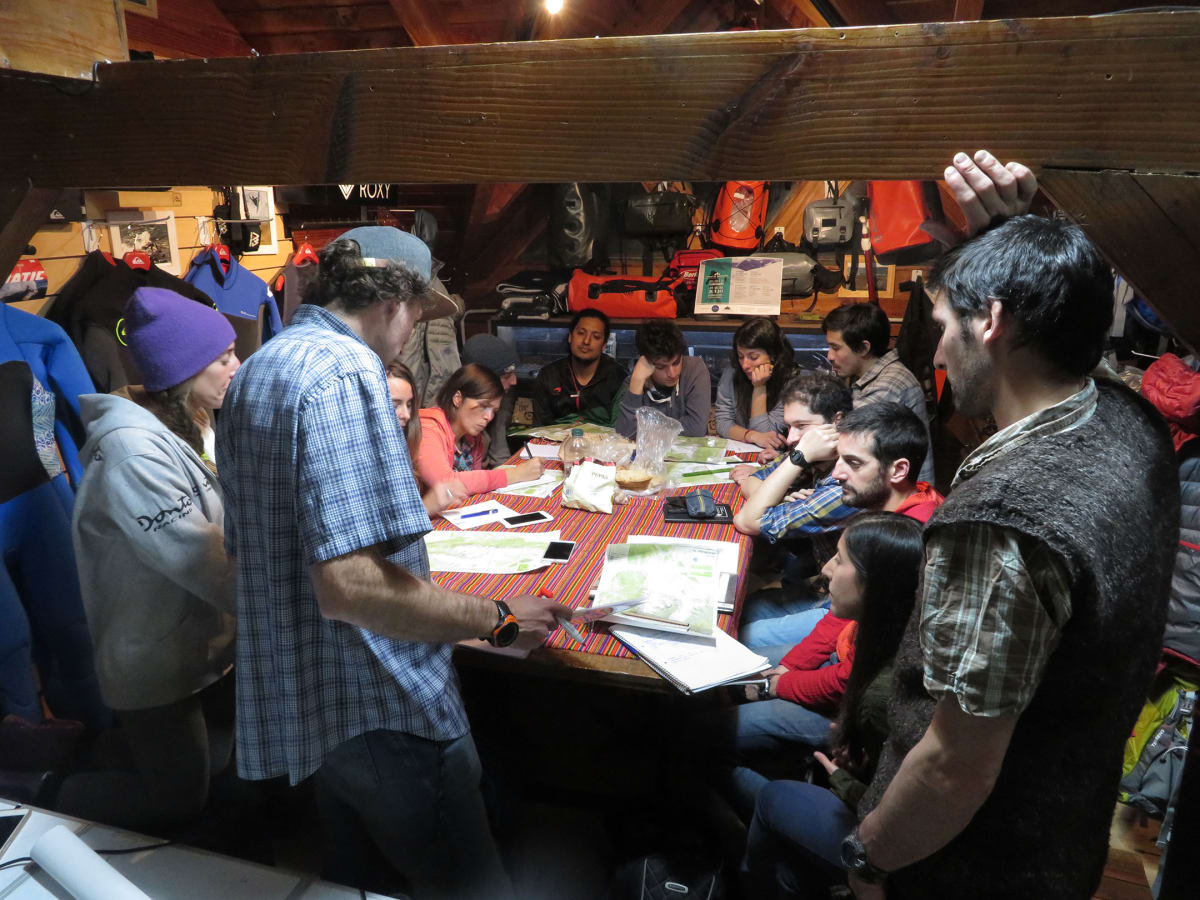
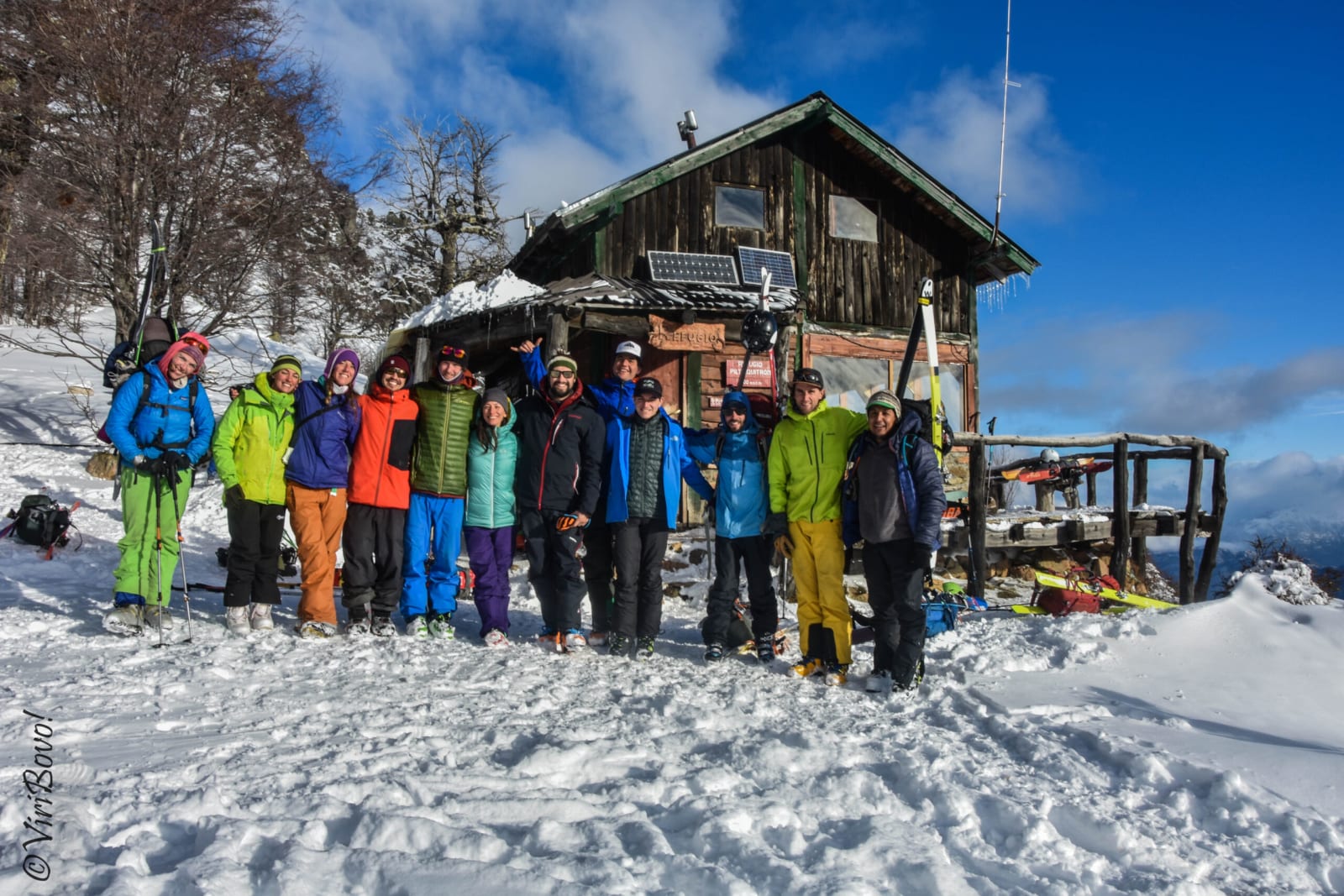
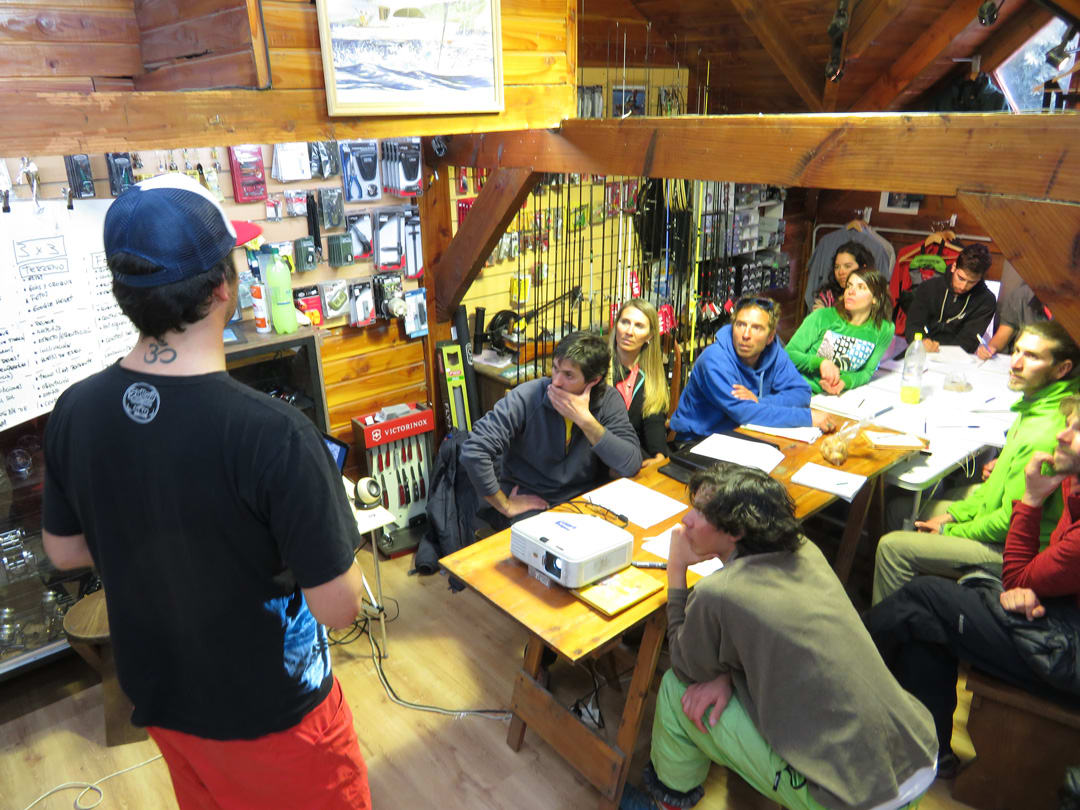
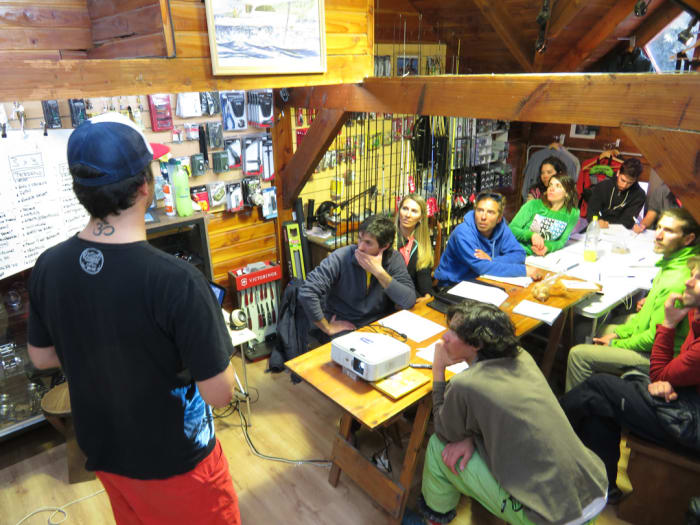
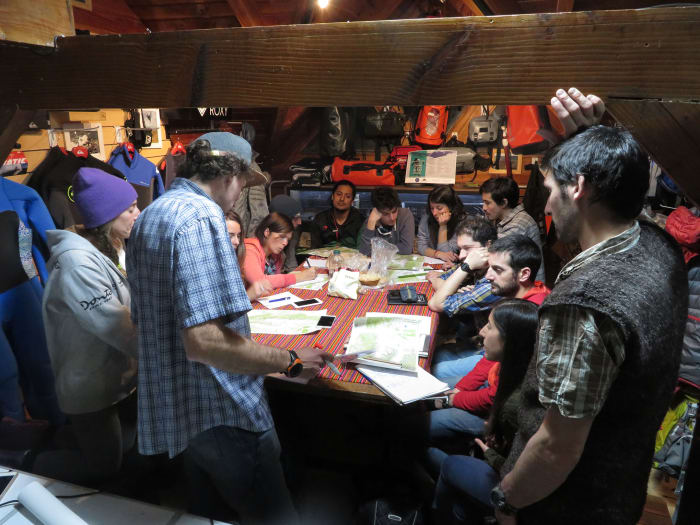
Our goal is the same as always: to encourage you to enjoy this beautiful sport safely and skillfully, with practical tools you'll use on every trip into the mountains. The methodology is a flipped classroom: before each class you access the BCC virtual classroom (notes, videos, forms, and short quizzes), the 3 in-person classes are devoted to discussion, exercises with bulletins and real terrain photos, and planning, and the 3 field days at Piltriquitrón (El Bolsón) — with 2 nights in the hut — are 100% hands-on practice: the first day is avalanche victim rescue, and the next two cover terrain reading, snowpack, stability tests, and decision-making, with more and more in your hands each time.
All participants receive the BCC N1 Manual and the Field Notebook. If you'd like to know the objectives and content, tap the itinerary tab. This course is aimed at skiers and snowboarders who have some backcountry experience and want to take it further. An intermediate off-piste level and familiarity with touring equipment are expected. Meet partners for new adventures and learn from this comprehensive and exciting activity.
Includes
- AAGM/UIMLA Ski Mountaineering Guide and avalanche instructors.
- REC 1 + Avalanche Rescue (A3) certification.
- Access to the BCC virtual classroom.
- BCC N1 Manual and study materials.
- Field notebook.
- Satellite communication service.
- Personal accident insurance.
Not included
- Lodging and transfers in Bariloche and El Bolsón.
- Overnight stays and meals at the hut (paid directly to the hut).
- Safety equipment.
- Ski touring or splitboard equipment.
- Any item not specified in the program.
Requirements
- Ability to ski black runs at a ski resort with confidence and good off-piste skills.
- Familiarity with your touring gear.
- Good physical fitness.
Itinerary
-
Day 0Pre-course — Classroom
Theory materials on terrain, avalanche problems, snowpack, weather, bulletins, planning, human factors, and rescue. The theory is studied beforehand so the in-person classes can be spent on exercises and practical application.
-
In-person class 1 — Avalanches, terrain, and human factors
Avalanche types and mechanics, avalanche problems, identifying critical terrain, terrain traps, the ATES scale, and human factors. Work with real cases and bulletins.
-
Day 2In-person class 2 — Snowpack, data, and bulletins
Snowpack formation and metamorphism, identifying layers and problems, relevant observations, red flags, bulletin interpretation, and practice with snow profiles and CT and ECT tests.
-
Day 3In-person class 3 — Planning and rescue
Route planning, decision points, go/no-go criteria, emergency plan, and group communication. Full rescue practice with beacon, probing, and strategic shoveling.
-
Day 4Field — Day 1: Avalanche Rescue
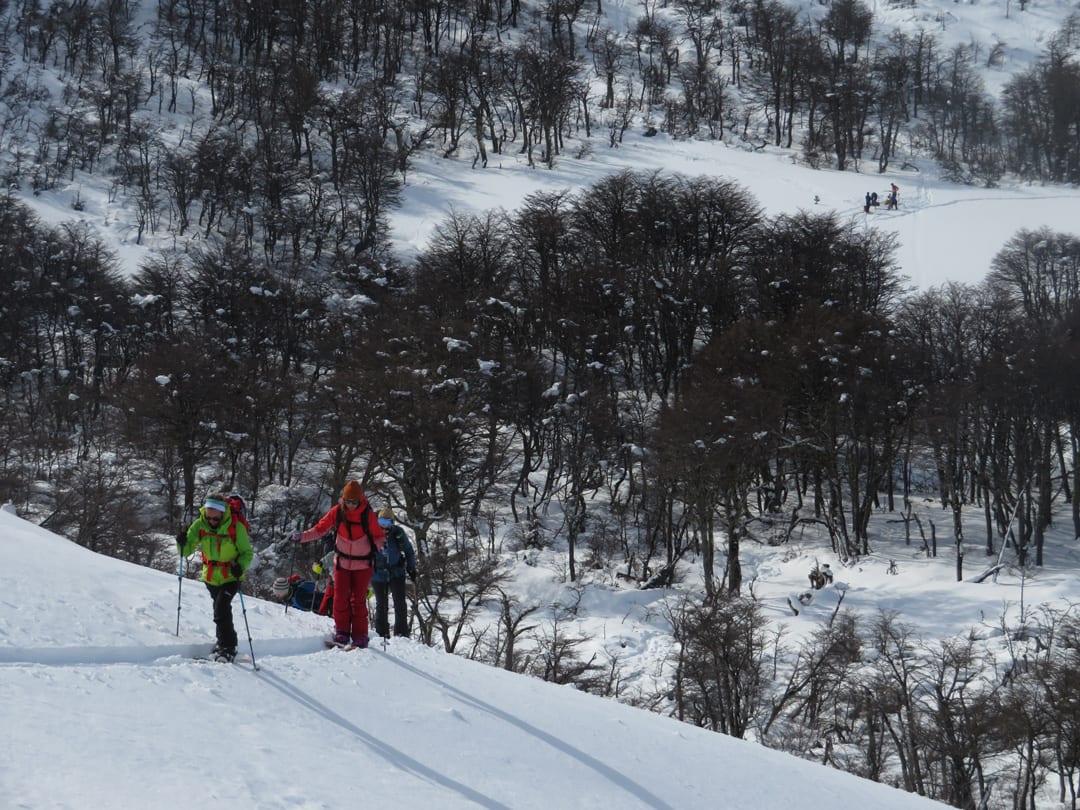
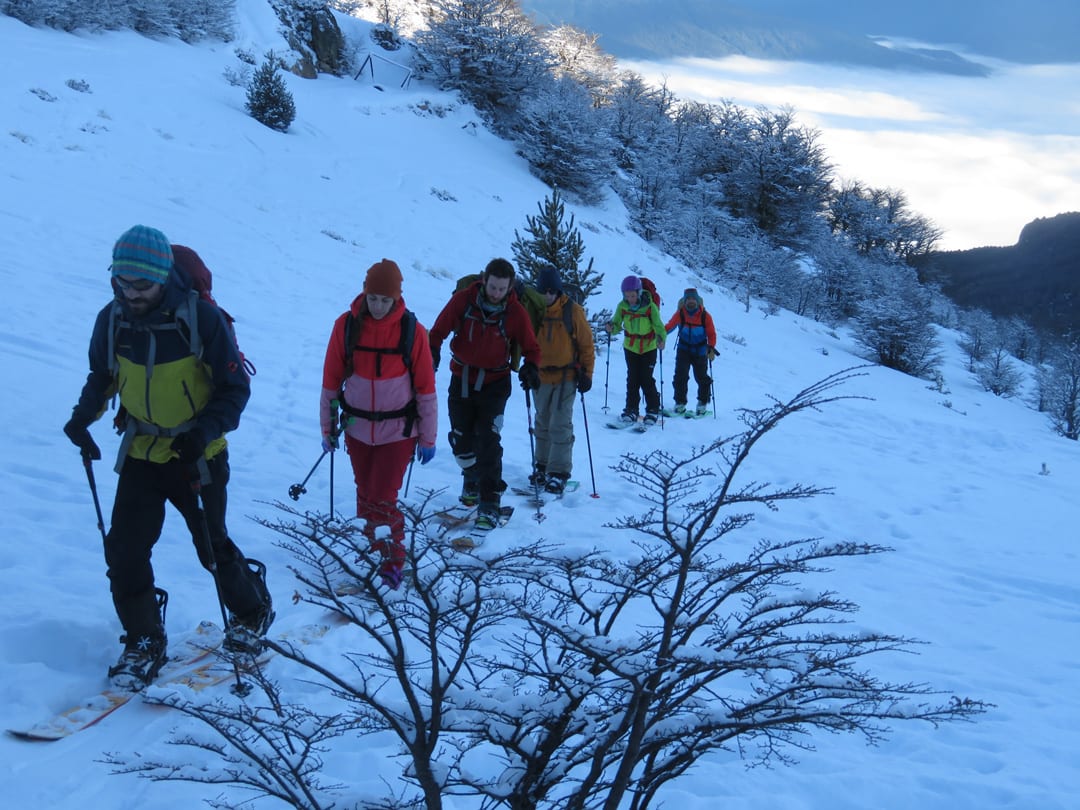
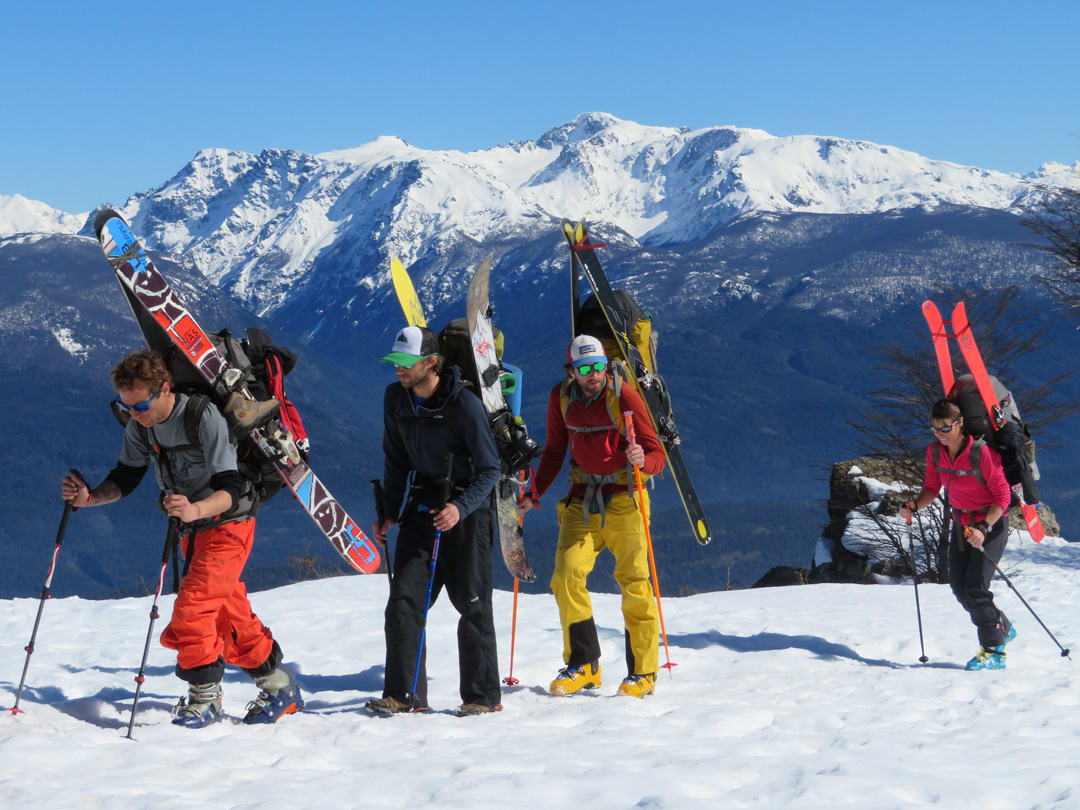
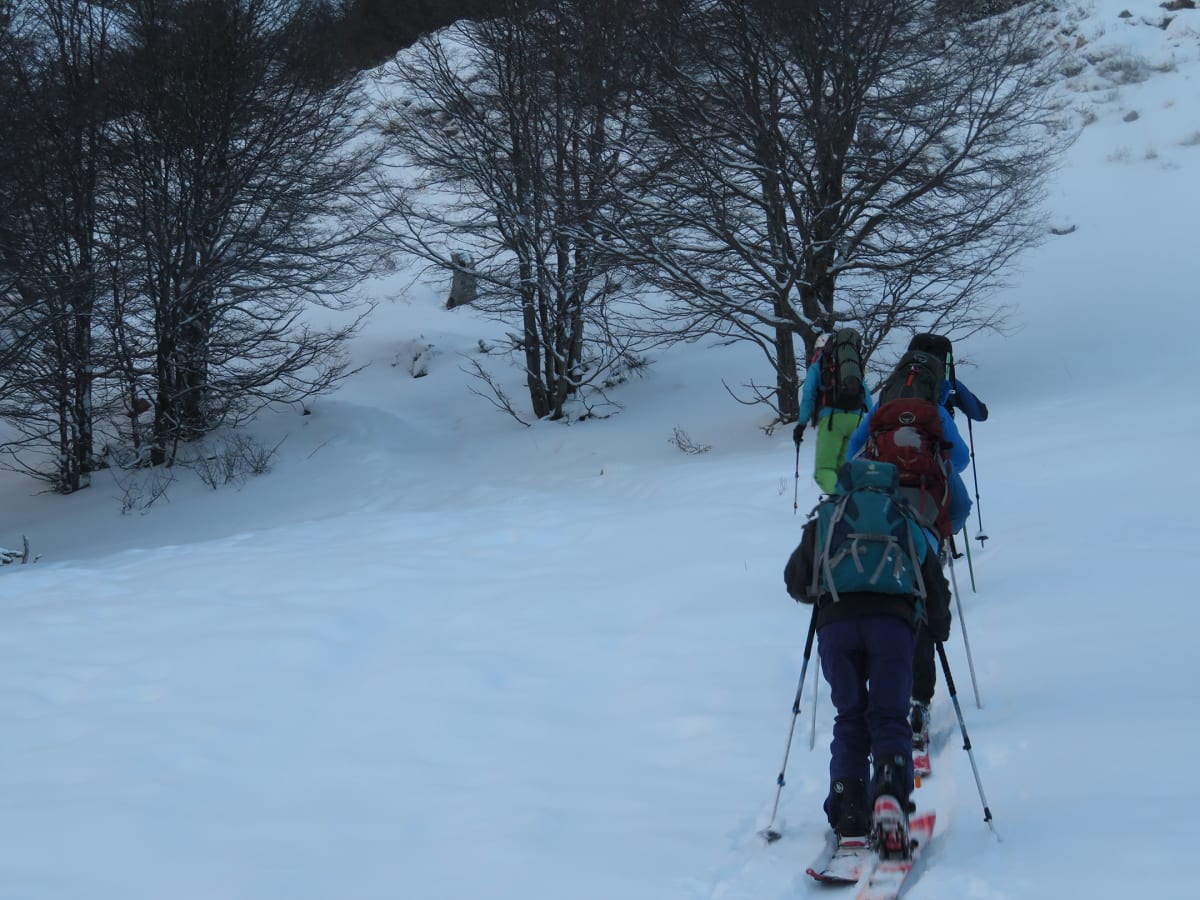
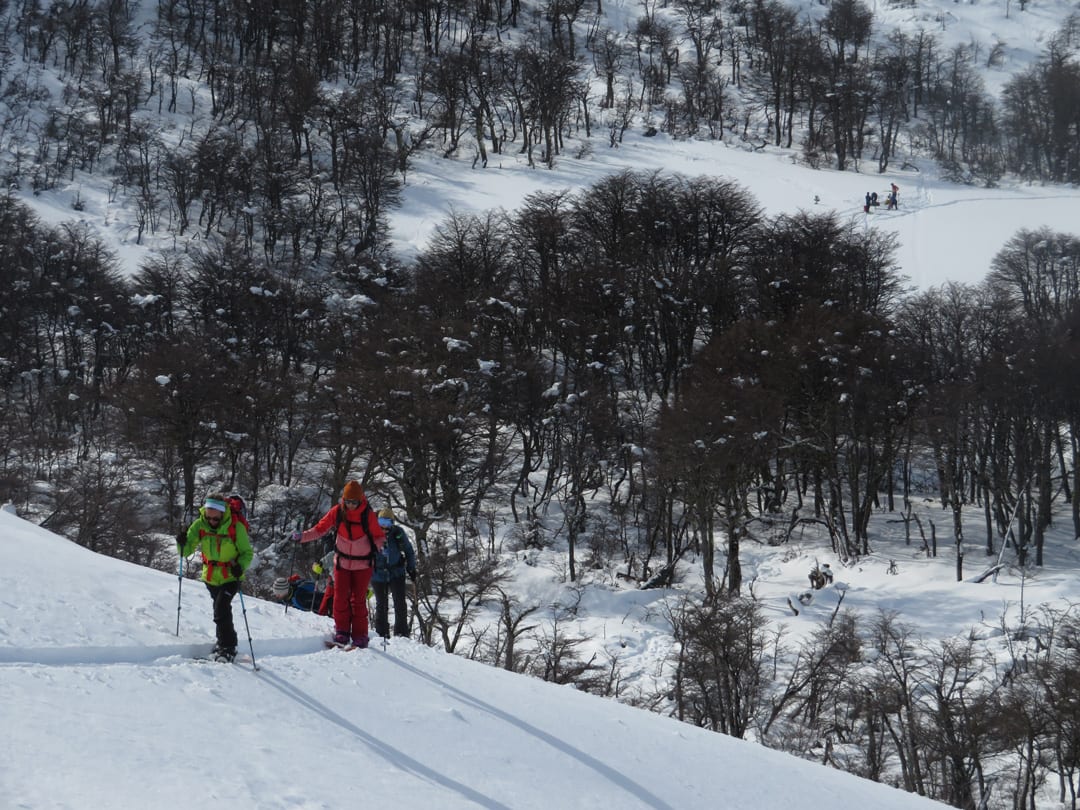
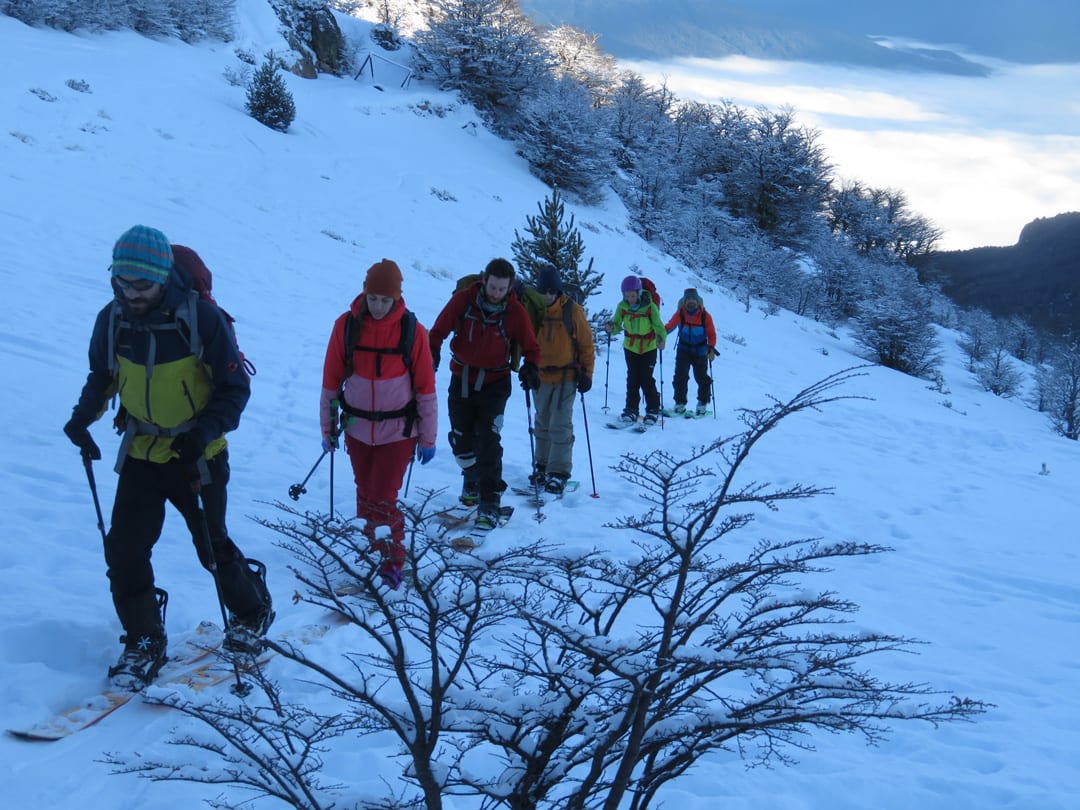
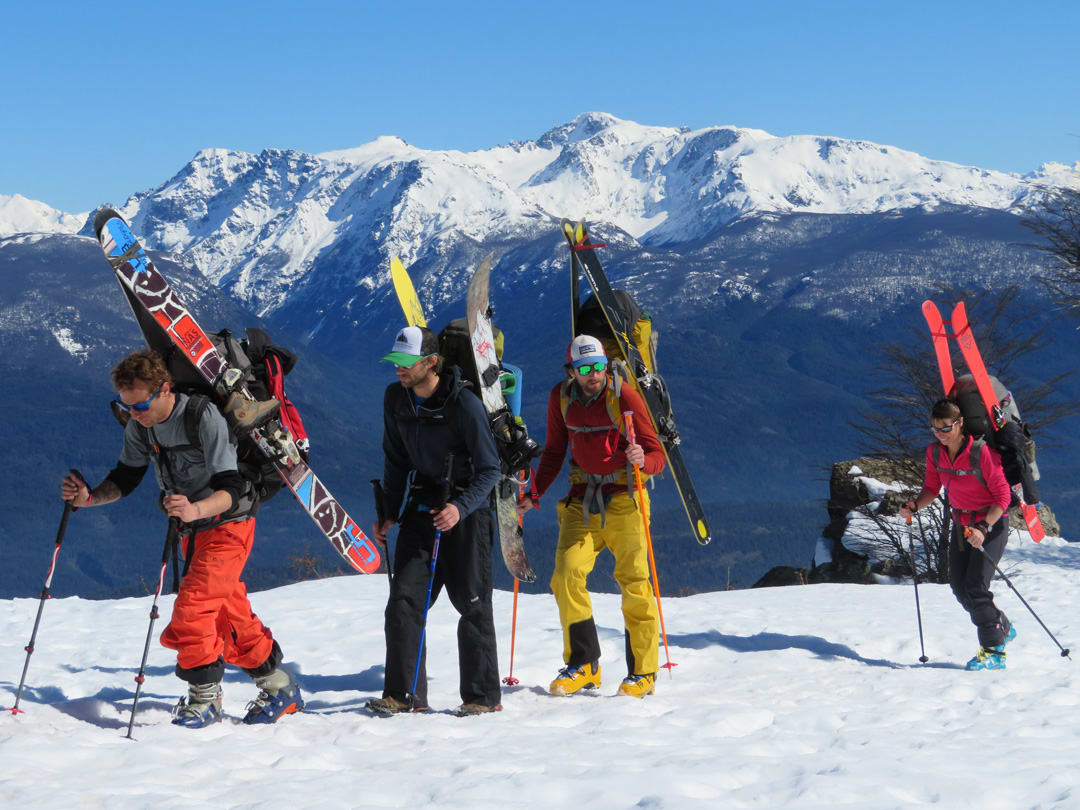
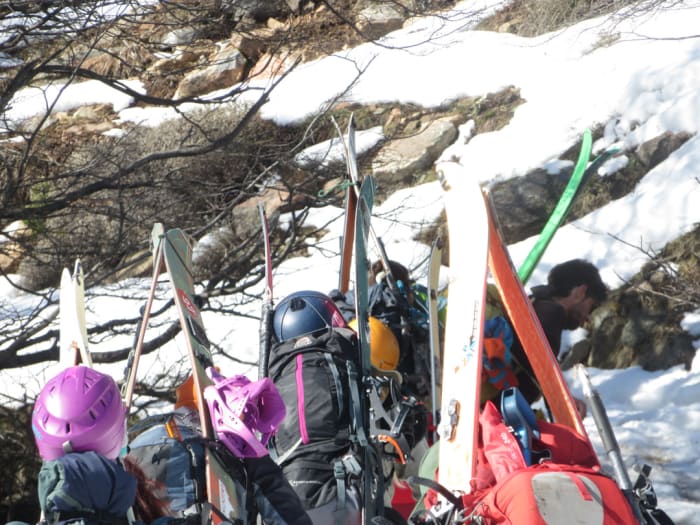
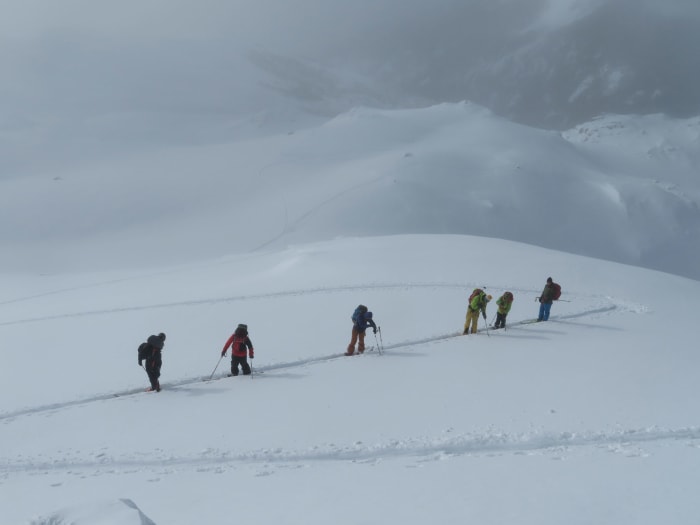
Ascent to the hut with practice in uphill technique and gear carrying. In the afternoon, intensive rescue training: beacon search, single and multiple burials, probing, strategic shoveling, and incident simulations.
-
Day 5Field — Day 2: Terrain management
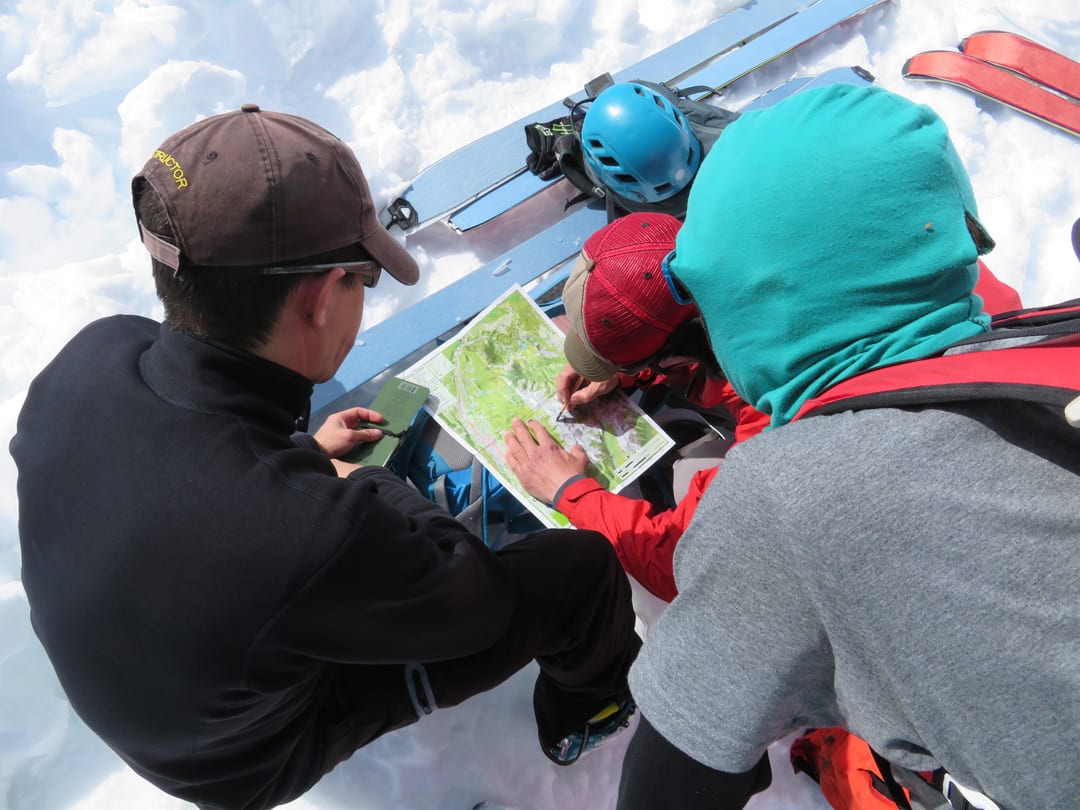
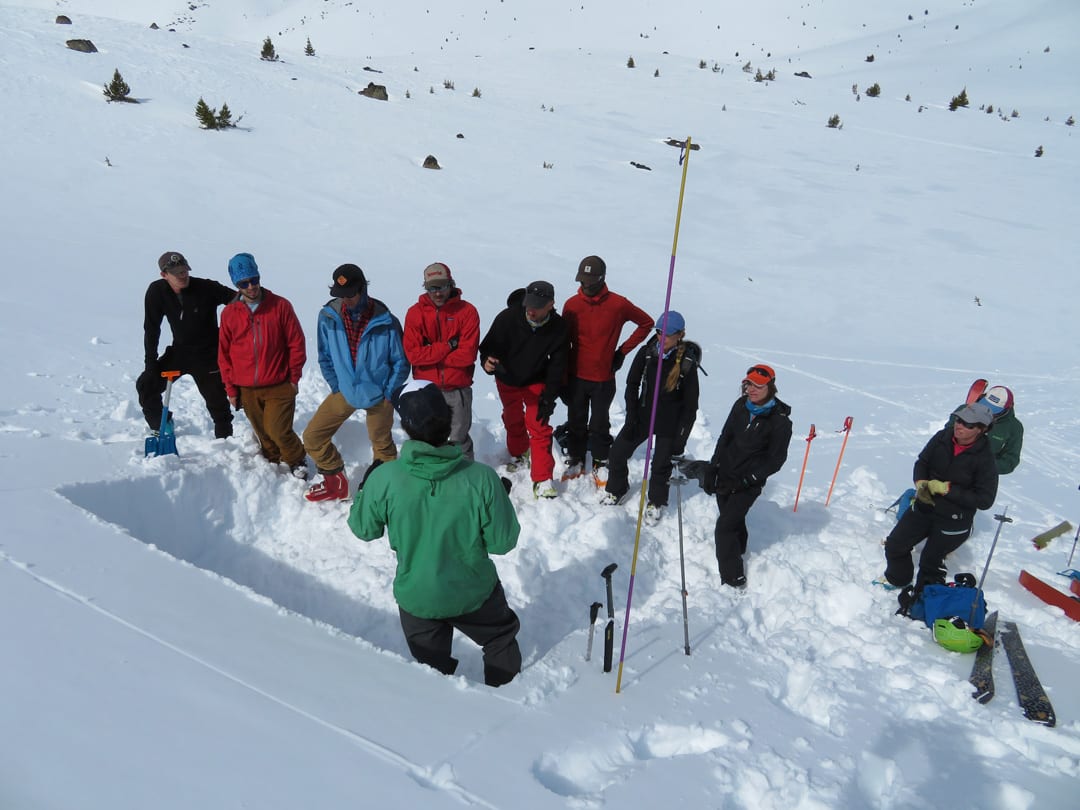
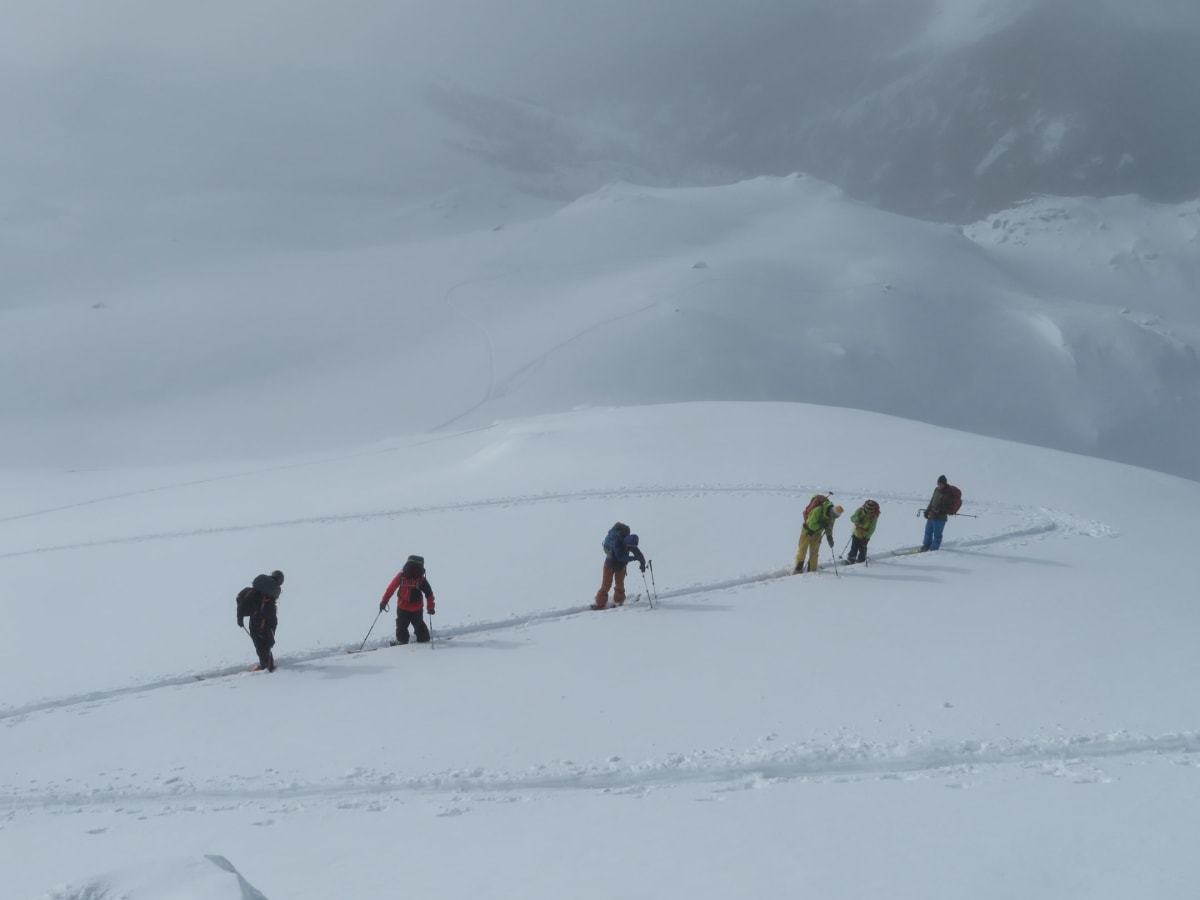
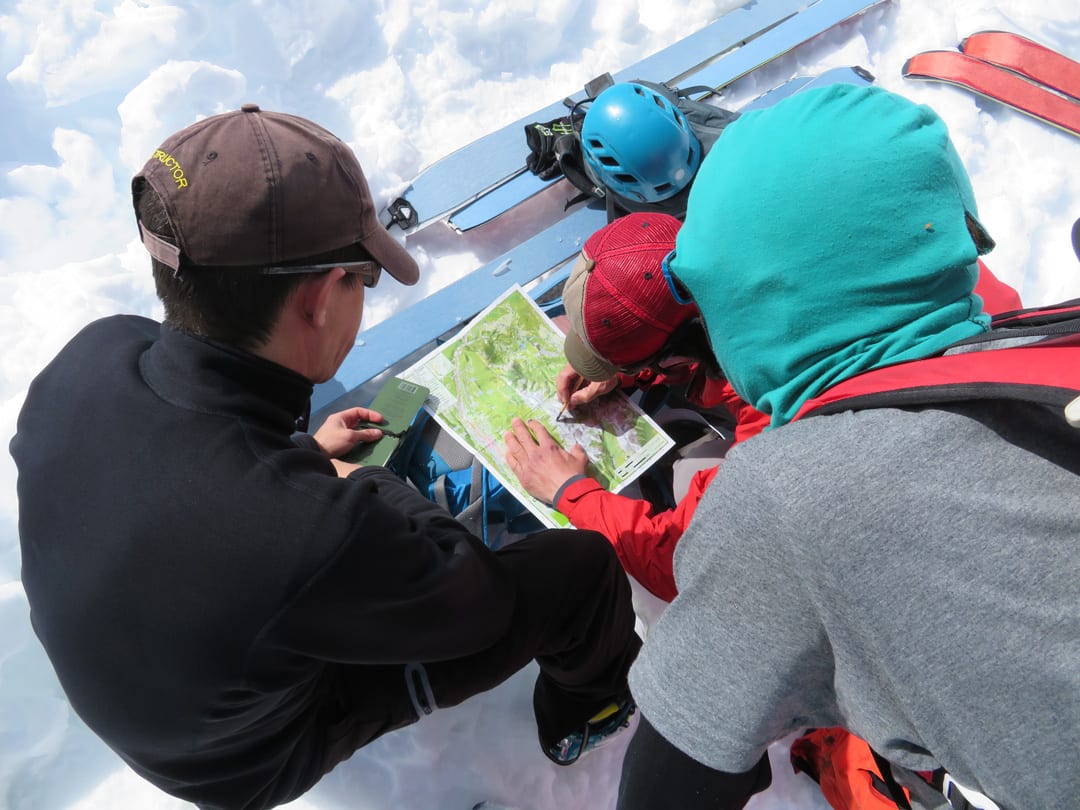
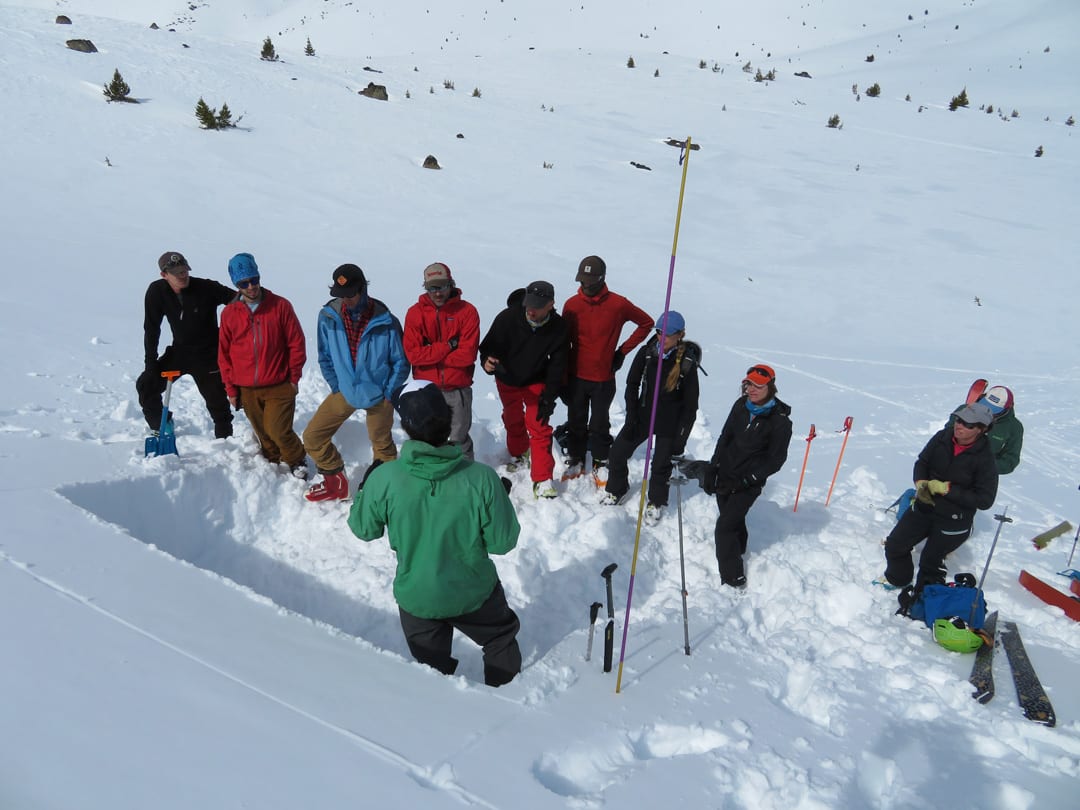
Gear check and planning. Terrain reading, route selection, observations on the move, identifying critical thresholds and red flags. Practice with snow profiles and snowpack tests, and group management.
-
Day 6Field — Day 3: Application and leadership
Frequently Asked Questions
Can I rent gear?
Yes: skis/skins/bindings, splitboard, and a safety kit (shovel, beacon, and probe). Contact us for prices and availability.
What specific gear do I need?
Ski touring boots/snowboard boots in good condition. Poles. Beacon with new batteries (battery >60%), SHOVEL AND PROBE (Mandatory) Helmet (Mandatory) Crampons Goggles Gloves (two pairs) Sunglasses / Sunscreen (SPF 50+) Layered clothing: Thermal base layer (legs and torso) Fleece 100/200 Waterproof jacket Down jacket Waterproof pants Ski socks Extra change of clothes (T-shirt, base layer, gloves, socks, underwear) Beanie and sun hat Buff Overnight and other: Sleeping bag (check according to the hut) Headlamp with batteries Hydration bladder Water bottle, 1 liter minimum Thermos Personal first aid kit Cash (for the hut) and ID documents Notebook and pencil Camera
What content does the course cover?
The course covers: Terrain and avalanche problems. Snowpack formation and metamorphism. Weather and field observations. Interpreting the avalanche bulletin. Red flags and critical thresholds. CT and ECT tests. ATES scale and terrain selection. Planning and decision-making. Human factors and communication. Rescue with beacon, probing, and strategic shoveling. Initial response and post-rescue priorities.
What do you learn in Avalanche Rescue?
You practice the full companion rescue sequence: signal detection, coarse and fine beacon search, pinpointing, probing, and strategic shoveling. You'll do exercises with single and multiple victims and full scenarios that work on roles, leadership, and communication.
Which snowpack tests are performed?
You'll work on snowpack observations and CT and ECT stability tests, including methodology, interpretation, and fracture character, relating the results to the day's avalanche problem.
What prior experience do I need?
You need basic ski touring experience and the ability to move safely in winter terrain. At a minimum, you should be able to ski parallel off-piste at a basic level. On the first day, you must be able to ascend with a pack of approximately 8 kg (about 18 lb).
What will I learn?
By the end of the course, participants will be able to interpret the avalanche bulletin, recognize avalanche problems and terrain, make basic snowpack observations, apply CT/ECT tests, plan routes based on conditions, manage group exposure, and carry out a basic rescue with beacon, probing, and strategic shoveling.
Sign up
Book your spot with no payment. We'll confirm by email or WhatsApp.